

Key Takeaways
- Most bathroom remodeling delays are predictable and preventable
- Permits, materials, hidden damage, labor coordination, and change orders are the most common causes
- Early planning and finalized selections reduce timeline risks significantly
- Experienced contractors help minimize delays through scheduling, communication, and pre-construction planning
- Older homes often require additional time for inspections, repairs, or code updates
You picked the tile. You chose the fixtures. You cleared your schedule.
And then… the project stalls.
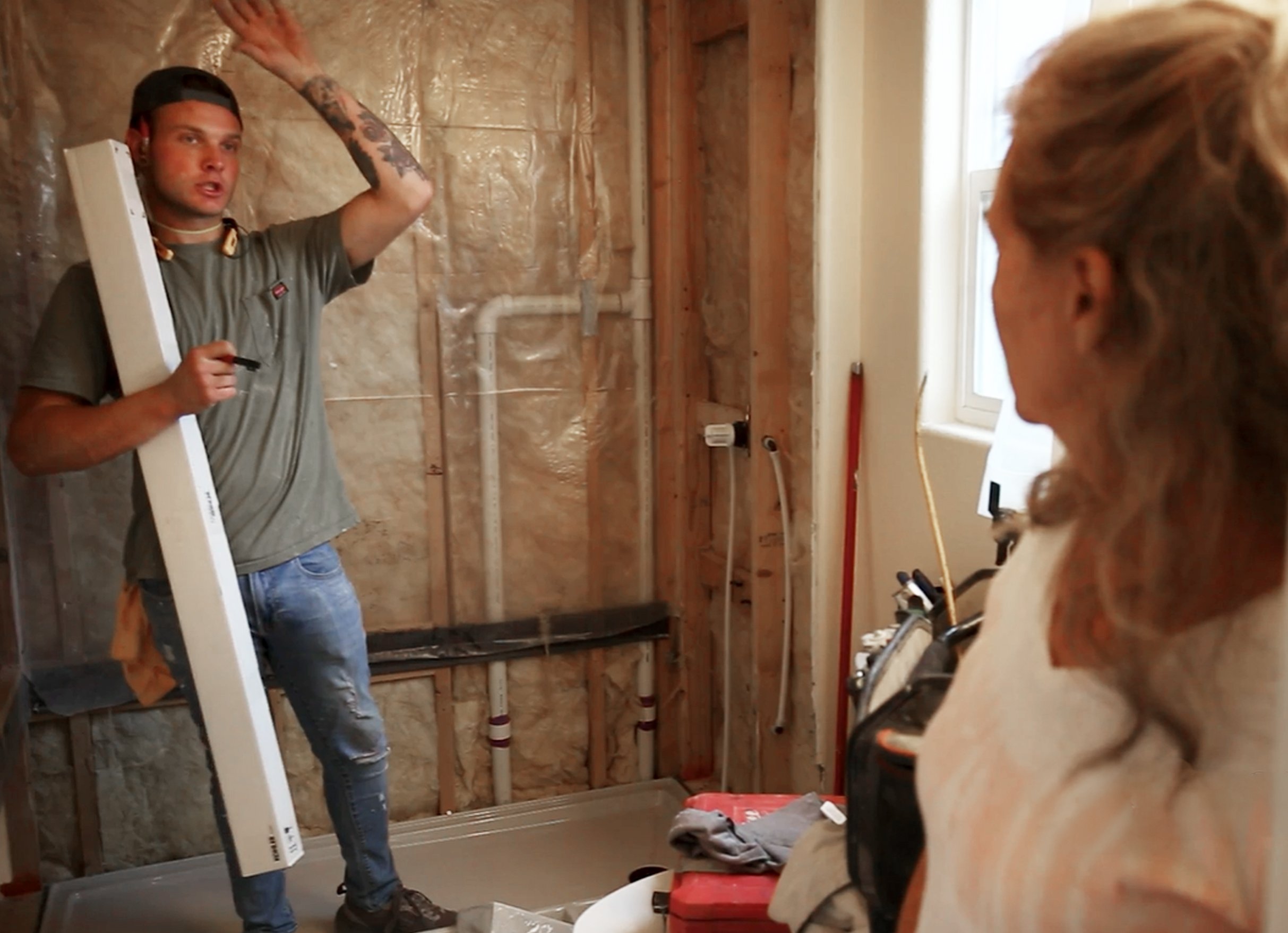
The contractor says they’re waiting on materials. The city hasn’t approved inspections yet. A plumbing issue appears behind the wall. Suddenly, what was supposed to take a few weeks stretches into months.
If that sounds familiar, you’re not alone.
Bathroom remodeling delays are one of the most common frustrations homeowners face during renovation projects. And while many contractors blame “unexpected issues,” the truth is more nuanced than that.
Most delays are predictable.
Industry-wide, remodeling delays have become increasingly common as permit workloads, labor shortages, and material lead times continue affecting renovation schedules across the country.
In Colorado, the construction labor shortage has reached a critical point, with nearly nine in ten contractors in the state reporting workforce shortfalls that directly affect project schedules and capacity.
For many homeowners, bathroom remodeling isn’t just a construction project. It temporarily affects daily routines, schedules, privacy, and comfort at home. That’s why delays can feel so frustrating. For busy families balancing work, schedules, guests, or multiple bathrooms shared between family members, even small remodeling delays can quickly become disruptive to everyday life.
At HomePride, we’ve completed thousands of bathroom remodels across Colorado and Cheyenne. Over the years, we’ve seen the same patterns repeat themselves again and again, from permit bottlenecks and material shortages to hidden water damage and last-minute design changes.
The good news? Once you understand what actually causes remodeling delays, you can make smarter decisions before construction even begins.
Remodeling your bathroom shouldn’t feel like guessing your way through delays, scheduling problems, and surprise setbacks. A big part of our role is helping homeowners understand the process before work begins, so they can move forward with more confidence and fewer surprises.
In this guide, we’ll break down the five biggest causes of bathroom remodeling delays, explain why they happen, and show you how experienced homeowners reduce stress, avoid surprises, and keep projects moving forward.
The 5 Most Common Causes of Bathroom Remodeling Delays
1. Permit and Inspection Bottlenecks
What’s really happening
Many homeowners are surprised to learn how much of a bathroom remodel happens before construction even begins.
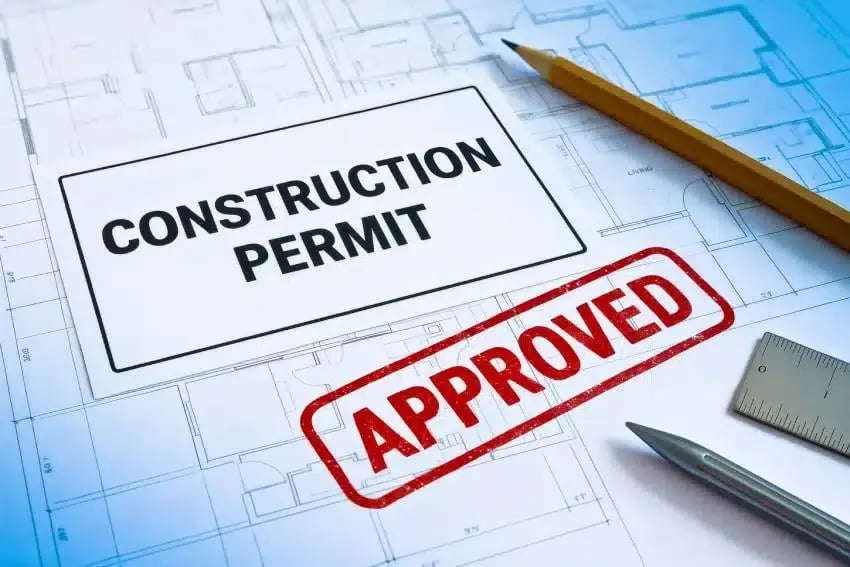
If your project involves plumbing changes, electrical updates, ventilation modifications, or layout adjustments, permits are usually required by your local municipality. And once permits enter the equation, your remodel timeline becomes partially dependent on city review departments, inspectors, and local building requirements.
That’s where delays often begin.
In growing Colorado communities, permitting departments are handling increasing workloads while also navigating staffing shortages and constantly evolving building codes. Even a relatively straightforward bathroom remodel can require multiple rounds of review depending on the scope of work.
And inspections don’t happen instantly.
Projects often pause while waiting for:
- Permit approvals
- Inspection scheduling
- Correction notices
- Re-inspections if something fails code review
For homeowners, this can feel frustrating because the bathroom may look “almost done” while the project remains temporarily frozen waiting on municipal approvals.
Why bathroom remodel permits often create delays
Bathroom remodels commonly get delayed when:
- Permit paperwork is incomplete
- Contractors submit incorrect information
- Existing homes don’t meet current code requirements
- Older plumbing or electrical systems require upgrades
- Municipal inspection schedules are backed up
This is especially common in older Colorado homes where hidden conditions may not match modern building standards once walls are opened.
A common homeowner misconception
Some homeowners assume skipping permits saves time.
In reality, unpermitted work often creates much larger problems later—including failed inspections, issues during resale, insurance complications, or costly corrections after construction is already complete.
A good contractor doesn’t treat permits like an inconvenience. A trustworthy contractor should also be able to explain the permitting process clearly before construction begins, including what approvals are required, what timelines are realistic, and where potential delays could happen. Homeowners shouldn’t feel left in the dark about how their own project is being managed.
How to stay ahead
The best way to reduce permit-related delays is to work with a contractor who understands your local municipality and builds permitting timelines into the schedule from day one.
Before demolition begins, your contractor should:
- Identify which permits are required
- Submit plans early
- Coordinate inspection timing
- Build city review periods into the schedule
- Communicate realistic expectations upfront
At HomePride, permitting is handled during pre-construction planning—not after demolition starts. That proactive approach helps reduce surprises and keeps projects moving more predictably.
Bottom line
If your remodel changes how the bathroom functions, not just how it looks, then permits are likely part of the process. Planning for them early is one of the smartest ways to avoid unnecessary delays later.

2. Material Delays and Supply Chain Issues
What’s really happening
Bathroom remodels operate like a chain reaction.
Every phase depends on the previous phase being completed correctly and on time. If one product is delayed—even a small one—it can impact the entire project schedule.
For example:
- Tile installation may depend on waterproofing completion
- Waterproofing may depend on plumbing rough-ins
- Plumbing rough-ins may depend on fixture specifications arriving first
- Glass installation may depend on final tile measurements
When one piece is missing, everything behind it can stall.
And while national supply chains have improved compared to previous years, bathroom remodeling materials still experience delays regularly. Especially custom or specialty products.
Why material delays happen
Projects commonly get delayed because:
- Selections are made after demolition begins
- Custom products have long lead times
- Imported materials are delayed in transit
- Backordered items become unavailable mid-project
- Orders arrive damaged or incorrect
- Manufacturers discontinue products unexpectedly
One of the biggest hidden causes of delays is homeowners selecting inspiration photos online without realizing the featured materials may take 8–12 weeks—or longer—to arrive.
Custom vanities, frameless shower glass, imported tile, specialty plumbing fixtures, and premium finishes are some of the most common culprits.
The “one missing piece” problem
Homeowners often assume work can continue while waiting for one delayed item.
Sometimes it can.
But in many cases, one missing component creates a domino effect. A delayed shower valve may pause plumbing. Delayed plumbing pauses drywall. Delayed drywall pushes back tile installation. Suddenly, a single product affects multiple trades and multiple weeks.
How to stay ahead
One of the best ways to reduce remodeling delays is to finalize selections before demolition starts.
That means:
- Choosing all finishes early
- Ordering products in advance
- Confirming delivery dates
- Verifying inventory availability
- Reviewing lead times honestly
If a contractor encourages you to begin demolition before products are selected and ordered, that’s worth slowing down and asking more questions. Fast project starts don’t always mean fast project completions.
At HomePride, procurement happens during pre-construction planning, not during active construction. That process helps prevent projects from sitting idle while waiting for materials to arrive.
Simple rule
The earlier decisions are finalized, the smoother the project tends to move.
Late selections almost always create schedule pressure.
3. Hidden Damage Behind the Walls
What’s really happening
Bathrooms experience moisture every single day.
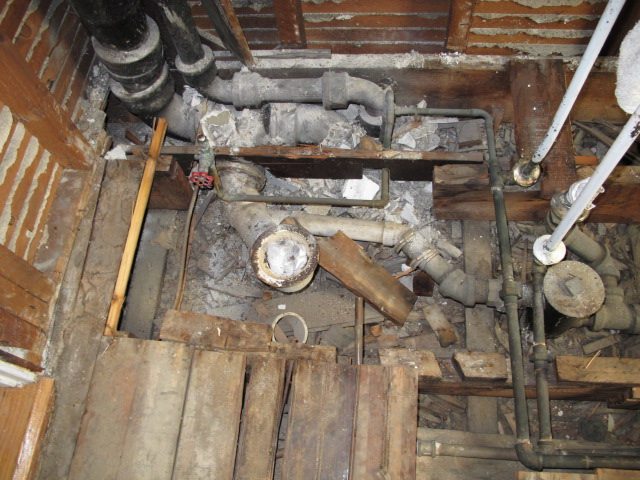
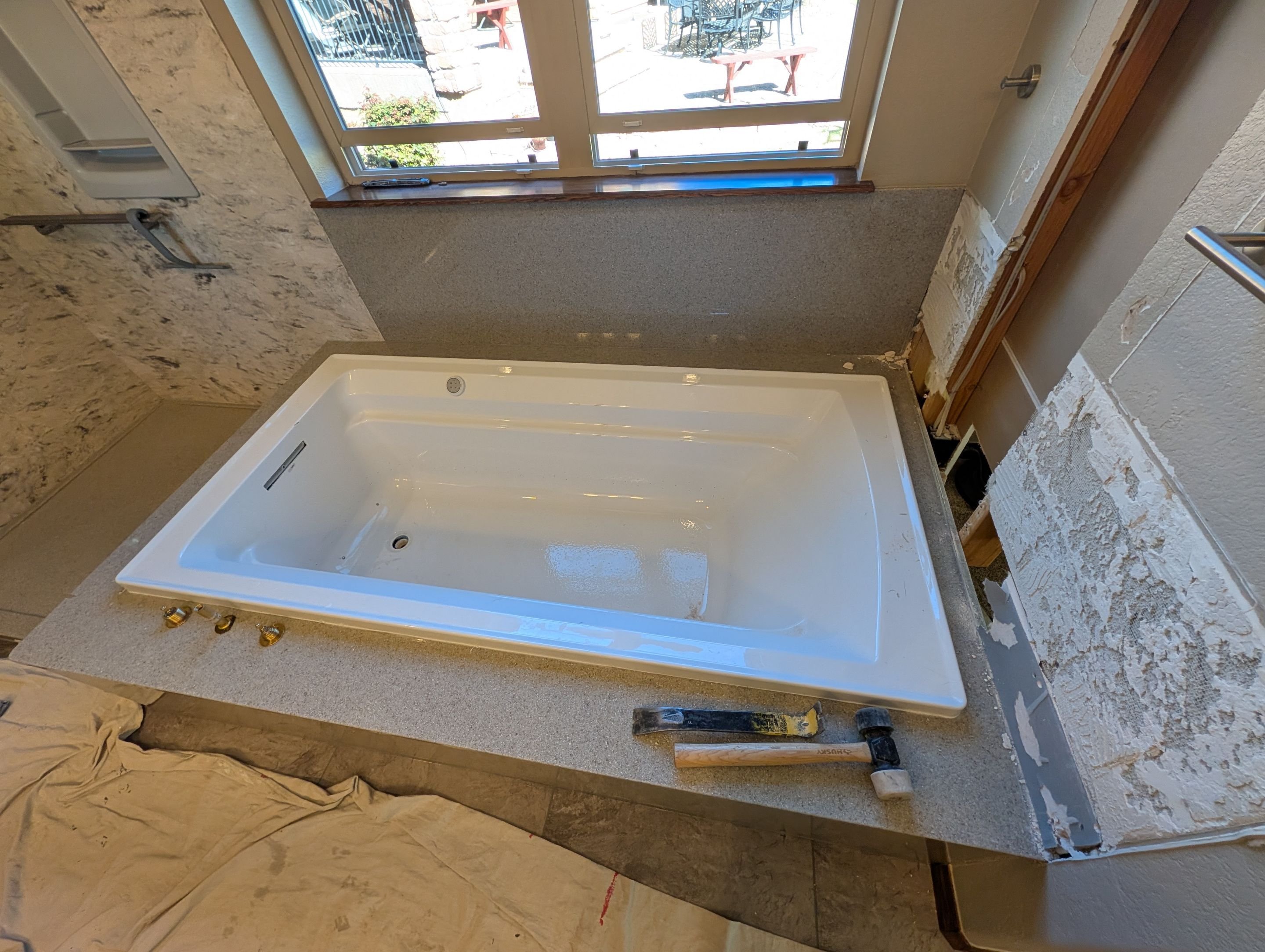
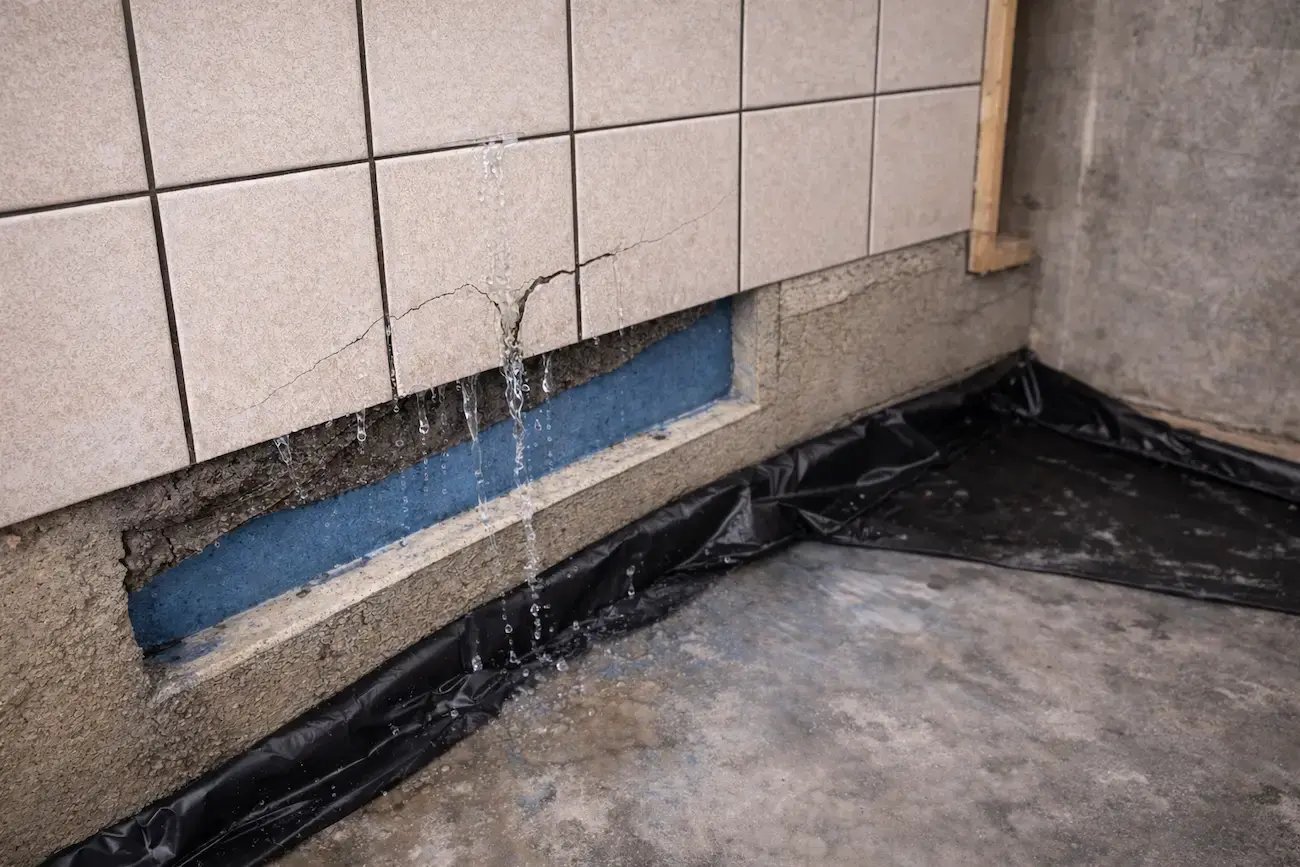
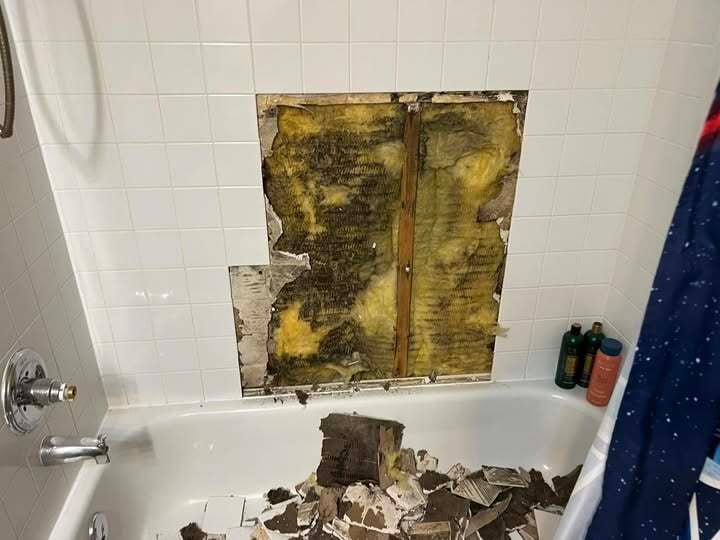
Over time, even small leaks or ventilation problems can create hidden damage behind walls, under flooring, or around plumbing systems. This is damage homeowners often don’t discover until demolition begins.
That’s one of the biggest reasons bathroom remodel timelines sometimes change unexpectedly.
Industry data shows that 40–60% of bathroom remodels uncover hidden problems once demolition begins — including rotted subfloors, corroded pipes, and wiring that doesn't meet current code — and the risk is even greater in older homes
We’ve seen homeowners prepare for a straightforward cosmetic remodel only to discover hidden plumbing leaks or damaged subflooring once demolition begins. Those moments can feel stressful—but they’re also one reason thorough planning and communication matter so much.
Industry-wide, hidden conditions are incredibly common during bathroom remodels—especially in older homes.
Why bathrooms hide problems so well
Bathrooms are uniquely vulnerable because they combine:
- Constant humidity
- Daily water exposure
- Plumbing systems hidden behind walls
- Tile and flooring layers that can conceal damage for years
Slow leaks behind showers or tubs can quietly deteriorate framing and subfloors long before visible signs appear inside the room.
In Colorado homes built decades ago, it’s also common to encounter outdated galvanized plumbing, aging drain systems, or older electrical work that no longer meets modern code requirements.
Why hidden damage causes delays
Once hidden issues are discovered, the project scope often changes immediately.
Before new materials can be installed, contractors may need to:
- Repair framing
- Replace subfloors
- Update plumbing
- Correct electrical issues
- Remediate mold
- Rebuild waterproofing systems
That additional work impacts:
- Labor scheduling
- Inspection requirements
- Material ordering
- Budget planning
- Overall project timelines
A sign of a good contractor
Experienced contractors don’t promise there will never be surprises. Instead, they explain upfront how surprises are handled if they appear.
That transparency matters.
In our experience, homeowners have told us they are far less stressed when they understand:
- what could happen,
- how risks are evaluated,
- and what contingency plans exist before construction starts.
How to stay ahead
Discovering hidden issues can feel stressful for homeowners, especially when timelines or budgets change unexpectedly. That’s why clear communication matters so much during remodeling. Homeowners deserve to understand not only what’s happening, but what comes next.
Before remodeling begins:
- Build a contingency budget of 10–20%
- Ask about potential risks based on your home’s age
- Work with contractors who perform thorough evaluations
- Set realistic expectations upfront
At HomePride, we discuss potential hidden conditions early in the planning process so homeowners understand both the possibilities and the process before demolition begins.
Bottom line
Surprises behind the walls are common in bathroom remodeling.
What matters most is not whether issues appear, but whether your contractor has a clear, professional plan for handling them when they do.
4. Labor Shortages and Scheduling Gaps
What’s really happening
Many homeowners picture a bathroom remodel as one crew working steadily from start to finish.
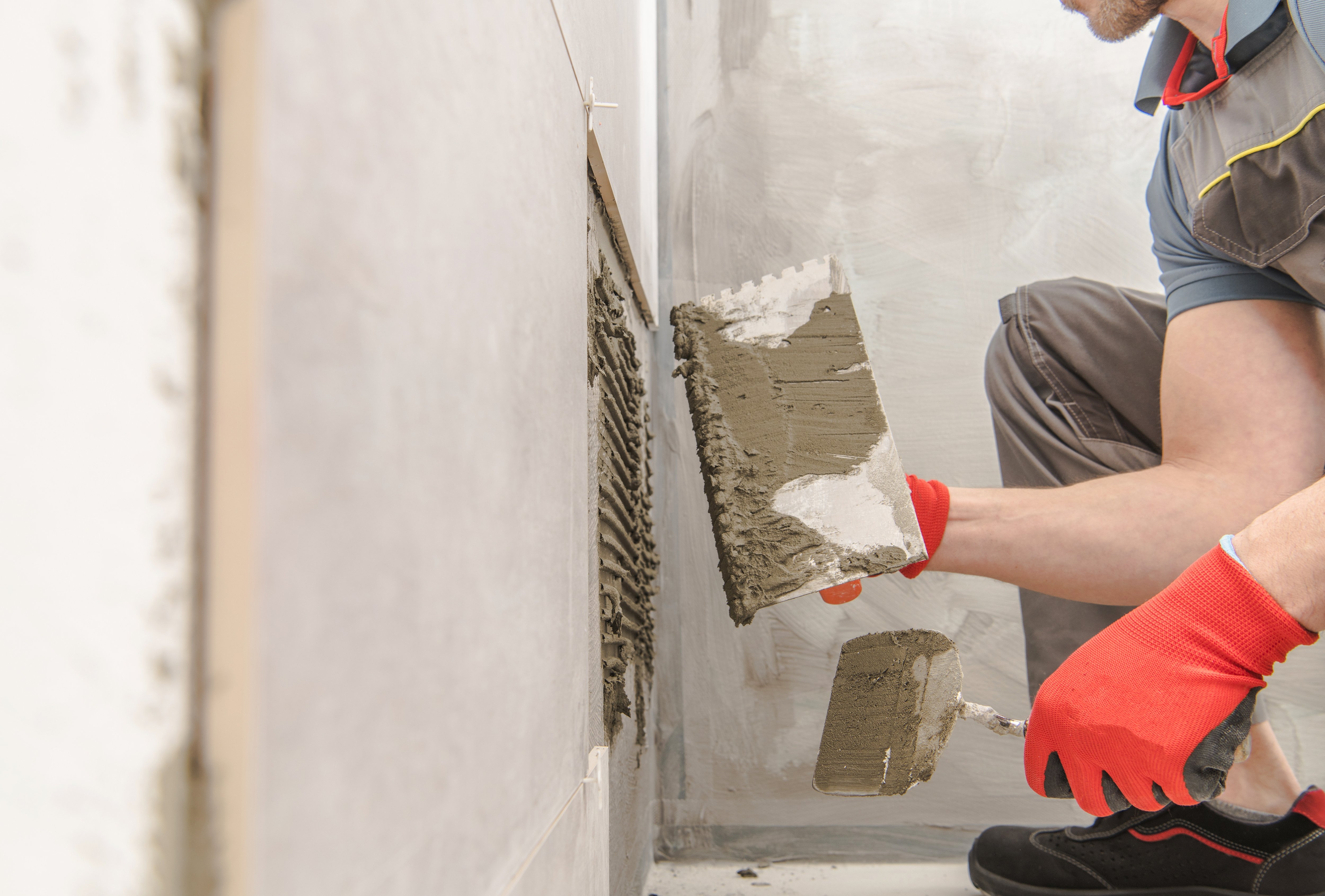
In reality, bathroom remodeling can often include a carefully coordinated sequence of multiple specialists working in phases.
According to the National Association of Home Builders (NAHB), labor shortages continue to affect multiple skilled trades across the remodeling industry, contributing to longer project timelines nationwide.
Depending on the project, your remodel may involve:
- Demolition crews
- Plumbers
- Electricians
- Carpenters
- Drywall installers
- Waterproofing specialists
- Tile installers
- Glass installers
- Finish carpenters
- Painters
And most of those trades can’t begin until the previous phase is fully completed.
For example:
- Plumbing rough-ins usually happen before insulation and drywall
- Tile installation can’t begin until waterproofing cures properly
- Shower glass measurements often happen after tile completion
- Final plumbing fixtures are installed near the end of the project
Even a relatively small scheduling delay early in the process can create ripple effects throughout the rest of the remodel timeline.
Why labor shortages create remodeling delays
Skilled labor shortages continue to affect remodeling projects across the country, and growing markets like Colorado are especially competitive.
High demand for experienced tradespeople means scheduling windows are tighter than many homeowners realize.
In many cases, delays aren’t caused by one major failure. They happen because several small coordination issues begin stacking together throughout the project.
- Contractors overbook crews
- Trades become unavailable unexpectedly
- Subcontractors fall behind on previous jobs
- Scheduling communication breaks down
- Contractors rely on inconsistent labor pools
- Specialized trades are booked weeks or months out
Bathroom remodels can be particularly challenging because they require tight coordination between multiple trades in a relatively small space.
The hidden scheduling reality homeowners don’t always see
One delayed trade can create a domino effect throughout the entire project.
If plumbing takes longer than expected, electricians may need to reschedule. If tile work gets pushed back, glass installation may move to the following week. Once multiple schedules shift, recovering lost time becomes increasingly difficult.
This is one reason experienced project management matters so much in remodeling.
The best contractors aren’t just managing construction. They’re also proactively solving problems before homeowners ever see them. That behind-the-scenes coordination is often what determines whether a remodel feels organized or chaotic.
A common homeowner misconception
Many homeowners assume a contractor with immediate availability is automatically the best option.
But in remodeling, unusually fast availability can sometimes be a warning sign.
Established contractors with reliable trade partners are often booked weeks or months in advance because their schedules are more consistent and predictable.
How to stay ahead
The best way to reduce labor-related delays is to begin planning earlier than you think you need to.
Before hiring a contractor:
- Ask how scheduling is managed
- Ask whether crews are employees or subcontractors
- Ask how trades are coordinated
- Ask how delays are communicated
- Ask whether the contractor works with long-term trade partners
It’s also smart to begin planning your remodel at least 2–3 months before your ideal start date. Sometimes longer during busy seasons.
At HomePride, our dedicated team of professionally trained and certified installers stay on each project until completion, to ensure projects stay organized and moving forward.
Bottom line
A smooth bathroom remodel rarely happens by chance. Behind every well-run project is careful coordination, proactive communication, and a team working together behind the scenes to keep everything moving forward.
Strong scheduling and communication behind the scenes are often what separate smooth remodeling experiences from chaotic ones.
5. Mid-Project Changes (Change Orders)
What’s really happening
This is one of the most common, and most preventable, causes of bathroom remodeling delays.
A project starts smoothly. Demolition is complete. Materials are arriving. Construction is moving forward.
Then the homeowner says:
- “What if we extend the tile to the ceiling?”
- “Maybe we should upgrade the vanity while we’re doing this.”
- “Now that I see the space, I think I want a different layout.”
These kinds of changes are incredibly common during remodeling projects.
And honestly, they’re understandable.
Many homeowners don’t fully visualize the finished space until construction is underway. Others discover new inspiration during the process or decide they want to invest more once they see the bathroom taking shape.
The challenge is that even small changes can create major ripple effects throughout the schedule.
Why change orders create delays
Most mid-project changes affect more than homeowners initially realize.
For example:
- A larger vanity may require plumbing relocation
- Different tile layouts may increase labor time
- New fixtures may require updated rough-ins
- Additional lighting may trigger electrical modifications
- Layout adjustments may affect waterproofing or inspections
And once materials, labor schedules, or permits change, timelines usually shift with them.
In many cases, contractors must:
- Pause work
- Reorder materials
- Revise plans
- Coordinate new labor schedules
- Wait for updated approvals
That’s why even “small” changes sometimes add days or weeks to a remodel timeline.
Decision fatigue is real
Bathroom remodeling involves hundreds of decisions.
Tile. Fixtures. Lighting. Paint colors. Hardware. Layouts. Storage. Finishes.
It’s common for homeowners to feel overwhelmed—especially if selections weren’t finalized before construction began.
Some delays happen not because homeowners change their minds, but because decisions are still being made during active construction.
When selections remain open-ended, contractors often can’t move efficiently from one phase to the next.
A common remodeling trap
One of the most common delay triggers is the “while we’re at it” mindset.
It usually sounds harmless:
- “While we’re at it, let’s replace the flooring too.”
- “While we’re at it, maybe we should move that wall.”
- “While we’re at it, let’s upgrade the plumbing.”
Sometimes those upgrades make sense. But each additional decision increases:
- Complexity
- Labor coordination
- Material needs
- Budget pressure
- Timeline risk
How to stay ahead
The most successful bathroom remodels are heavily planned before demolition begins.
That means:
- Finalizing the design early
- Confirming material selections
- Reviewing the complete scope of work
- Understanding the budget clearly
- Signing detailed agreements upfront
This doesn’t eliminate every possible change, but it dramatically reduces avoidable disruptions once construction is underway.
At HomePride, we invest heavily in pre-construction planning because it’s one of the best ways to create smoother, more predictable remodeling experiences for homeowners.
Bottom line
The more decisions made before construction begins, the fewer delays homeowners typically experience during the remodel itself.
The more clarity homeowners have before construction begins, the smoother the remodeling experience usually feels once work is underway.
Quick Recap: How to Keep Your Remodel on Track
- Permits: Start early and use a local expert
- Materials: Select and order everything before demo
- Hidden Issues: Budget for the unexpected
- Labor: Plan ahead and choose established teams
- Changes: Lock in decisions upfront
Click here to download our FREE Bathroom Remnodeling Guide to help you prepare and plan for your next bathroom remodel
How Long Should a Bathroom Remodel Actually Take?
One of the biggest causes of homeowner frustration is unrealistic timeline expectations.
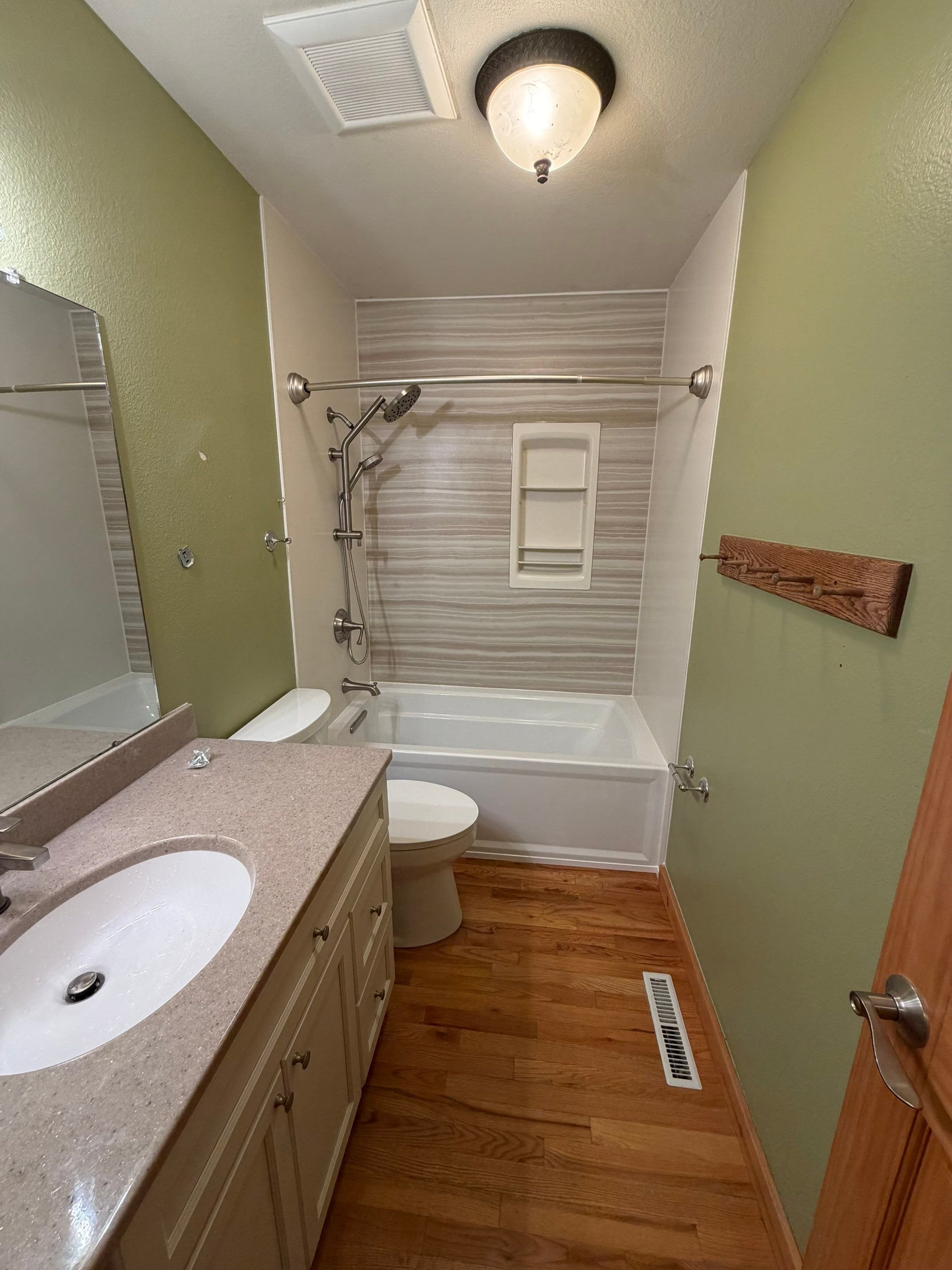
Many online articles promise bathroom remodels can be completed in “just a few days” or “within one week.” While that may apply to highly limited cosmetic updates, more elaborate bathroom remodels which go beyond cosmetics into plumbing, electrical, and layout changes often take longer—especially when permits, inspections, custom materials, or structural work are involved.
While every project is different, homeowners are usually less stressed when they understand realistic timeline ranges before construction begins. Also note, having a professional contractor handle your remodel versus a lesser experienced handyman or even a do-it-yourself project will have a significant impact on timelines.
Cosmetic bathroom refresh
Typical timeline: Professional installation: 1-2 days / DIY 1–3 weeks
Projects may include:
- Paint
- Fixtures
- Vanity replacement
- Flooring
- Minor updates without major plumbing changes
Wet-space remodel
Typical timeline: Professional installation: 2-3 days / DIY: 2–5 weeks
Projects may include:
- Tub-to-shower conversions
- New shower systems
- Tile work
- Waterproofing
- Plumbing fixture updates
Full bathroom remodel
Typical timeline: Professional installation 5-7 days / DIY: 4–8+ weeks
Projects may include:
- Layout changes
- Plumbing relocation
- Electrical upgrades
- Structural repairs
- Custom materials
- Permit approvals
And in older homes, timelines may extend further if hidden damage or code upgrades are discovered during demolition.
What affects timeline the most?
The biggest variables usually include:
- Permit approval speed
- Material lead times
- Hidden structural issues
- Custom product availability
- Change orders during construction
- Trade scheduling coordination
The homeowners who experience the smoothest remodels are typically the ones who begin planning earlier than they think they need to.

Red Flags That Often Lead to Remodeling Delays
Not all remodeling delays are unavoidable.
In many cases, delays start long before demolition begins because the project wasn’t properly planned in the first place.
Here are some common warning signs homeowners should pay attention to:
Unrealistically fast promises
Be cautious of unusually aggressive timeline promises—especially if the contractor hasn’t fully evaluated the scope of work, materials, or existing conditions yet. Some streamlined wet-area remodels can absolutely be completed quickly when the process, products, and crews are highly specialized. The key is making sure the company has a proven system, strong reviews, documented past projects, and realistic communication about what is—and isn’t—included in that timeline.
Vague contracts
If the scope of work, materials, allowances, or timeline expectations aren’t clearly documented, misunderstandings often follow.
Selections not finalized upfront
Starting demolition before materials are selected and ordered frequently creates avoidable delays later.
No clear communication process
Homeowners should know:
- who manages the project,
- who handles scheduling,
- and how updates are communicated throughout construction.
Constantly changing schedules
Frequent rescheduling before the project even begins may signal staffing or coordination problems behind the scenes.
Lack of pre-construction planning
The best remodeling projects are heavily planned before work starts—not figured out during demolition.
At HomePride, we believe successful remodeling starts with preparation, communication, and realistic expectations from the very beginning.
Want to go deeper? Read our guide:
“Chuck In A Truck Contractors: Risks, Red Flags & Realities"
It breaks down the most common remodeling warning signs, vague contracts, pricing traps, and contractor tactics homeowners should understand before signing a project agreement.
Questions Homeowners Should Ask Before Starting a Bathroom Remodel
Before hiring a contractor, homeowners should feel comfortable asking questions like:
- How are project timelines created and managed?
- When are materials ordered?
- How are delays communicated if they happen?
- Who handles permits and inspections?
- How are hidden issues handled if discovered during demolition?
- Are trades employees or subcontractors?
- What happens if materials arrive late or damaged?
- How often will we receive project updates?
A trustworthy contractor should be able to answer these questions clearly and confidently before work begins.
The Bottom Line
Bathroom remodeling delays are frustrating, but they’re rarely random.
Most delays can be traced back to:
- poor planning,
- unrealistic expectations,
- incomplete preparation,
- or lack of communication during the project.
The homeowners who experience the smoothest remodels usually aren’t the luckiest ones.
They’re the ones who:
- start planning early,
- work with experienced professionals,
- ask good questions,
- and make informed decisions before construction begins.
At HomePride, we believe homeowners deserve honest guidance before a project ever starts. That means realistic timelines, transparent communication, and proactive planning designed to reduce surprises wherever possible.
Because a better remodeling experience doesn’t happen by accident. It happens through preparation.
If you’re planning a bathroom remodel and want a team that will help you navigate the process clearly from start to finish, we’d be happy to help you build a realistic plan for your space, timeline, and goals.
Click here to schedule a no cost, no obligation in-home consulation
Frequently Asked Questions About Bathroom Remodeling Delays
FAQ 1: Why do bathroom remodels get delayed?
Bathroom remodels often get delayed because of permit approvals, inspection scheduling, material backorders, hidden water damage, labor coordination problems, or mid-project design changes. Most delays are not random. They usually happen when planning, product ordering, or communication is incomplete before construction begins.
FAQ 2: What causes bathroom remodeling delays in Colorado?
Common bathroom remodeling delays in Colorado include city permit backlogs, inspection availability, older plumbing or electrical systems, hidden moisture damage, material lead times, and high demand for skilled trades. Growing Front Range communities can also experience longer permitting and scheduling timelines.
FAQ 3: How long should a bathroom remodel take?
A cosmetic bathroom refresh may take 1–3 weeks, a wet-space remodel may take 2–5 weeks, and a full bathroom remodel may take 4–8 weeks or longer. The final timeline depends on permits, inspections, material availability, hidden damage, custom products, and whether the layout changes.
FAQ 4: How can I avoid delays during a bathroom remodel?
You can reduce bathroom remodeling delays by finalizing selections early, ordering materials before demolition, confirming permit requirements, asking how scheduling is managed, setting a contingency budget, and working with a contractor who communicates clearly before and during the project.
FAQ 5: Can hidden damage delay a bathroom remodel?
Yes. Hidden damage such as rotted subfloors, mold, outdated plumbing, unsafe wiring, or previous DIY mistakes can delay a bathroom remodel once demolition begins. These issues usually need to be repaired before new materials can be installed safely and correctly.
FAQ 6: Should materials be ordered before bathroom demolition starts?
Yes. Whenever possible, bathroom remodeling materials should be selected, ordered, and confirmed before demolition starts. Waiting until construction begins to choose tile, fixtures, vanities, or shower components can create backorders, rescheduling, and avoidable project delays.
Topics: