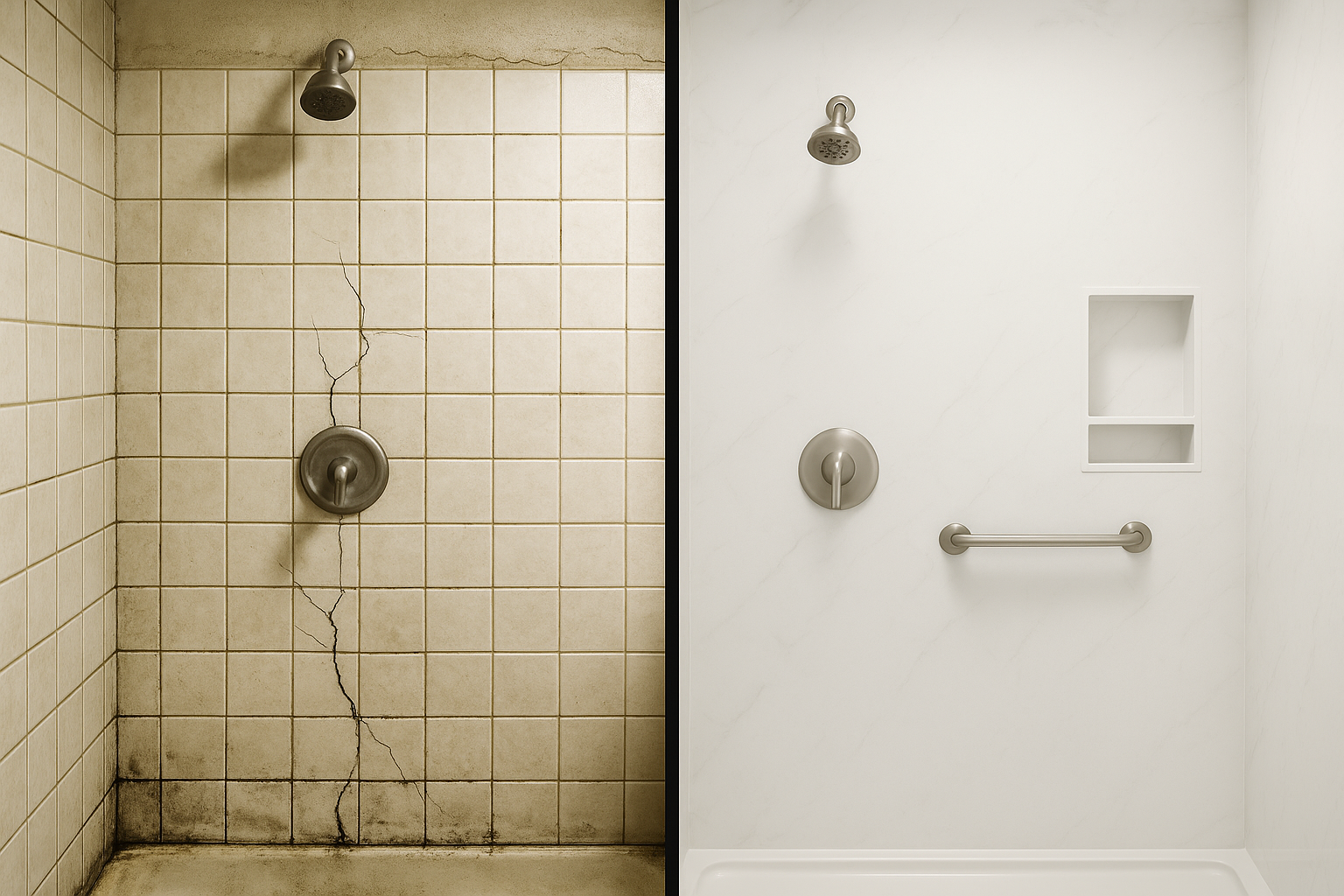

If you or a loved one needs an accessible shower, grab bars, or other bathroom safety upgrades, navigating the available funding options can feel overwhelming. Colorado's Medicaid program, Health First Colorado, offers a Home Modification benefit that may help eligible residents obtain coverage for medically necessary accessibility improvements designed to support independent living and reduce safety risks at home.
This guide is intended to help Colorado homeowners, family caregivers, and individuals with disabilities better understand how the Home Modification benefit works, who may qualify, and what steps are involved in the approval process. It explains the roles of Health First Colorado, Case Management Agencies (CMAs), occupational and physical therapists, and approved Medicaid providers.
HomePride is not a Medicaid agency, case manager, healthcare provider, or approved Health First Colorado home modification provider. If your goal is to have a project paid directly through Health First Colorado, you should work with your Case Management Agency to identify eligible Medicaid-enrolled providers. Our goal with this article is simply to provide clear, accurate information that helps Colorado residents better understand the process and make informed decisions about accessibility improvements in their homes.
Because Medicaid rules and benefit requirements can change, always confirm current eligibility criteria, benefit limits, provider requirements, and approval procedures directly with your Case Management Agency (CMA) or the Colorado Department of Health Care Policy and Financing (HCPF) before taking action.
|
IMPORTANT DISCLAIMER |
|
This article is intended for general informational purposes only and does not constitute legal, financial, or medical advice. Medicaid rules change frequently. Always confirm current eligibility requirements, benefit limits, and approved processes directly with your Case Management Agency (CMA) or the Colorado Department of Health Care Policy and Financing (HCPF) before taking action. |
|
HCPF Member Contact Center: 1-800-221-3943 | State Relay: 711 |
|
HCPF Website: hcpf.colorado.gov |
Key Takeaways
- Colorado Medicaid may cover medically necessary home modifications through eligible HCBS Waivers.
- Commonly covered modifications include walk-in showers, grab bar installation, ramps, and widened doorways.
- Medicaid generally does not pay for cosmetic bathroom remodeling, luxury upgrades, or projects that lack documented medical necessity.
- Prior authorization is required before construction begins.
- Home modifications must be medically necessary and cost-effective.
- Approved providers bill Medicaid directly.
- Participants generally cannot pay out of pocket and seek reimbursement later.
- Case Management Agencies coordinate the approval process.
Important: Is the HCBS Home Modification Benefit Right for Everyone?
The Home Modification Benefit is available through certain Home and Community-Based Services (HCBS) Waivers offered by Health First Colorado. These waiver programs are designed to help individuals who require long-term services and supports remain safely in their homes and communities rather than entering a nursing facility or other institutional setting.
It is important to understand that the HCBS waiver system is not designed solely to fund bathroom remodeling projects. If a home modification is the only service you need, applying for an HCBS waiver may not be the most appropriate pathway. Individuals interested in accessibility improvements should speak with their Case Management Agency (CMA) or Health First Colorado to determine whether waiver services are appropriate for their specific circumstances.
This guide explains how the Home Modification Benefit works for individuals who qualify for and enroll in an eligible HCBS waiver program.
Quick Answer: Can Colorado Medicaid Pay for Bathroom Safety Modifications?
Yes. Colorado Medicaid (Health First Colorado) may cover medically necessary home modifications through certain Home and Community-Based Services (HCBS) Waivers. Covered modifications may include accessible showers, grab bar installation, widened doorways, wheelchair ramps, and other accessibility improvements when they are medically necessary, approved in advance, and supported by the required assessments and documentation.
The Home Modification Benefit is available only to Medicaid members who qualify for and enroll in an eligible HCBS waiver program. These waiver programs are intended to provide long-term services and support for individuals who need assistance remaining safely in their homes and communities.
Not everyone seeking a bathroom modification will qualify for or benefit from HCBS waiver enrollment. Individuals should work with their Case Management Agency (CMA) to determine whether waiver services are appropriate for their needs.
Colorado Medicaid Home Modification Benefit at a Glance
|
Question |
Quick Answer |
|
Does Colorado Medicaid cover walk-in showers? |
Yes, when medically necessary and approved. |
|
Does Colorado Medicaid cover walk-in baths? |
No, walk-in baths are not covered. |
|
Are grab bars covered? |
Grab bars are considered Durable Medical Equipment (DME). Therefore only the cost of installation is covered by the Home Modification Benefit. Grab bars themselves will need to be ordered under the DME benefit. |
|
Do I need Medicaid first? |
Yes. |
|
Do I need prior approval? |
Yes. |
|
Can I start work before approval? |
No. |
|
Can I hire any contractor? |
No. Contractors must meet Medicaid requirements. |
|
Does Medicaid reimburse me later? |
No. Approval must occur before work begins, and money is paid directly to the approved Medicaid provider. |
|
Who gets paid? |
The approved Medicaid provider. |
|
Who manages the process? |
Your Case Management Agency (CMA). |

Section 1: Understanding Colorado’s Medicaid Programs for Home Modifications
One of the most common misconceptions about Medicaid-funded home modifications is that they function like a home improvement grant program. In reality, Colorado's Home Modification Benefit exists within certain Home and Community-Based Services (HCBS) Waivers, which are designed to provide long-term services and support to individuals who need assistance remaining safely in their homes and communities.
For eligible participants, home modifications are just one of many services that may be available through an HCBS waiver. Depending on an individual's needs, waiver services may also include personal care assistance, homemaker services, respite care, adult day programs, and other supports designed to help prevent institutional placement.
Because of this, the decision to pursue HCBS waiver enrollment should be based on an individual's overall care and support needs—not solely on the desire to obtain a bathroom modification.
For participants who qualify, the Home Modification Benefit may help fund medically necessary accessibility improvements that improve safety, independence, and accessibility within the home.
What Is Health First Colorado?
Health First Colorado is Colorado’s Medicaid program, administered by the Colorado Department of Health Care Policy and Financing (HCPF). It provides health coverage for low-income individuals and families, people with disabilities, and older adults. Within Health First Colorado, a subset of programs—called Long-Term Services and Supports (LTSS)—is specifically designed to help people remain at home and in their communities rather than entering nursing homes or other institutions.
Home modifications that make a residence safer and more accessible fall within this LTSS umbrella. There are two main program tracks through which eligible Coloradans can receive coverage for home safety upgrades:
• HCBS Waivers – Home and Community-Based Services waivers are the primary vehicle for the formal Home Modification benefit. Several adult waivers include a dedicated home modification benefit.
• Community First Choice (CFC) – A newer statewide State Plan benefit launched July 1, 2025, which provides no-waitlist access to in-home supports for qualifying Medicaid members. CFC primarily covers personal care services rather than structural modifications, but understanding it is important because CFC enrollment often works alongside waiver enrollment.
Can Colorado Medicaid pay for bathroom remodels?
Sometimes. Colorado Medicaid does not typically pay for cosmetic bathroom remodeling. However, Health First Colorado may cover medically necessary bathroom modifications such as walk-in showers, grab bar installation, widened doorways, wheelchair-accessible features, and other accessibility improvements through eligible HCBS Waivers when medical necessity can be documented.
The HCBS Waivers That Include a Home Modification Benefit
Colorado’s HCPF has confirmed that the Home Modification benefit is currently available through the following HCBS waivers:
|
Waiver |
Who It Serves |
|
Elderly, Blind, and Disabled Waiver (EBD) |
Adults 18+ who are elderly, blind, disabled, or living with HIV/AIDS and are at risk of nursing home placement. These are common circumstances under which individuals may seek bathroom safety modifications. |
|
Brain Injury Waiver (BI) |
Adults who have acquired a brain injury and need community-based support. |
|
Community Mental Health Supports Waiver (CMHS) |
Adults with significant mental health diagnoses who require community-based long-term supports. |
|
Complementary and Integrative Health Waiver (CIH) |
Adults with spinal cord injuries (formerly the SCI Waiver). |
|
Children’s Extensive Support Waiver (CES) |
Children and youth with developmental disabilities who have very high support needs. |
|
Supported Living Services Waiver (SLS) |
Adults with intellectual and developmental disabilities who can live independently with limited supports. |
Source: Colorado HCPF Home Modification Benefit page. See hcpf.colorado.gov/home-modification-benefit for current details.
For many adult Coloradans pursuing bathroom safety modifications, the EBD Waiver is the relevant program. The rest of this guide focuses primarily on that pathway, though the modification process is largely the same across waivers.
What Are the Current Benefit Limits?
There are limits on how much Medicaid will pay for home modifications. Understanding these caps upfront helps you prioritize which projects to pursue:
|
HOME MODIFICATION BENEFIT CAPS (As of 2026) |
|
EBD, BI, CMHS, and CIH participants are subject to a maximum benefit amount established by HCPF. Because waiver benefit limits and waiver rules can change over time, members should confirm the current cap with their Case Management Agency before beginning the approval process. |
|
CES and SLS Waivers: $10,000 total over the five-year life of the waiver (combined across home modifications, vehicle modifications, and assistive technology). |
|
NOTE: Medicaid is the “payer of last resort.” If you live in subsidized housing, your landlord may be legally required to pay for a reasonable accommodation modification. Medicaid will not pay if another funding source is obligated to cover the cost. |
What Kinds of Modifications Are Covered?
According to HCPF, home modifications may include, but are not limited to:
• Installing or widening ramps
• Modifying or replacing bathtubs with accessible showers (including roll-in / walk-in shower conversions)
• Adding grab bars and other durable medical equipment as part of a larger modification project
• Widening doorways for wheelchair access
• Installing specialized electrical or plumbing systems for medically necessary equipment
• Modifying kitchen facilities for accessibility
Key rule: All modifications must be the most cost-effective means of meeting the participant’s medical need. A modification that simply improves the home’s value or general comfort—without a documented functional or medical necessity—will typically not be approved.
A practical example: Rather than installing a full walk-in bath (which can cost $18,000–$25,000), an occupational therapist may recommend a tub cut, a portable bath lift or hydraulic bath seat, or a grab bar plus handheld showerhead combination if those options adequately address the participant’s safety needs at lower cost. Approvals are need-specific and cost-effectiveness is always evaluated.
Want to see the state's official rules?
Everything discussed in this article ultimately comes from Colorado's Medicaid Home Modification Benefit policies administered by HCPF. For a deeper dive into eligibility requirements, occupational therapy evaluations, prior authorization, contractor requirements, and project approvals, we encourage you to review the state's Home Modification Benefit Processes and Procedures Guide.
You can access the guide through the Colorado Department of Health Care Policy & Financing's Home Modification Benefit webpage at hcpf.colorado.gov/home-modification-benefit.

Section 2: Eligibility Requirements
Basic Medicaid Eligibility for Health First Colorado
Before accessing any HCBS waiver or home modification benefit, you must be enrolled in Health First Colorado (Colorado’s Medicaid program). General eligibility requires:
• Colorado residency
• U.S. citizenship or qualifying immigration status
• Meeting income and, for some programs, asset limits
You can apply for Health First Colorado online at Colorado PEAK, by phone at 1-800-221-3943, or in person at your county Department of Human Services office:
|
APPLY FOR HEALTH FIRST COLORADO (MEDICAID) |
|
Online: Colorado PEAK – Colorado.gov/PEAK (fastest method; many receive immediate decisions) |
|
Phone: 1-800-221-3943 |
|
In Person: Contact your county Department of Human Services office. |
|
By Mail: Paper applications available at Colorado.gov/PEAK. Mail applications take up to 45 days (90 days if disability determination is required). |
EBD Waiver-Specific Eligibility
For the Elderly, Blind, and Disabled (EBD) Waiver—the most relevant program for older adults and those with physical disabilities seeking bathroom modifications—the following eligibility criteria apply as of 2026:
|
Criterion |
Requirement |
|
Age / Disability |
Must be age 18 or older. Adults 65+ must be assessed as needing a nursing-home level of care. Adults 18–64 must be blind or have a qualifying disability. Adults living with HIV/AIDS automatically meet the functional criteria. |
|
Residency |
Must be a Colorado resident. |
|
Income (2026) |
Monthly gross income must not exceed $2,982 (300% of the Federal Benefit Rate). This limit increases each January. |
|
Assets (2026) |
Single applicant: $2,000 asset limit. Married couple (both applying): $3,000. Married (one applying): Applicant is limited to $2,000; non-applicant spouse may retain up to $162,660 (Community Spouse Resource Allowance). Primary home is typically exempt. |
|
Level of Care |
Must require a nursing-facility level of care (NFLOC)—assessed by a Case Management Agency or Single Entry Point agency. |
|
Waitlist |
As of 2026, the EBD Waiver has no enrollment cap and no waitlist for those who meet all criteria. |
Note: Income and asset limits change annually. Always verify current figures at hcpf.colorado.gov or by calling 1-800-221-3943.
Functional Eligibility: The Level-of-Care Assessment
In addition to financial eligibility, you must be assessed as needing a nursing-facility level of care (NFLOC). This assessment is conducted by your local Case Management Agency (CMA) or Single Entry Point (SEP) agency and looks at your ability to perform Activities of Daily Living (ADLs) such as bathing, dressing, toileting, and mobility.
You do not need to be in a nursing home to qualify. In fact, the purpose of the waiver is to help you avoid one. If a fall risk, chronic illness, disability, or mobility limitation is making it unsafe for you to bathe or move through your home independently, you are likely a strong candidate.
Section 3: Finding Your Case Management Agency and Getting Started
Your Case Manager Is Your Navigator
The home modification process in Colorado cannot happen without a Case Manager (CM). Your Case Management Agency (CMA) or Single Entry Point (SEP) agency is the entity that:
• Determines your Medicaid eligibility for HCBS waivers
• Conducts or arranges the level-of-care assessment
• Coordinates the occupational therapist (OT) or physical therapist (PT) evaluation
• Solicits bids from qualified contractors
• Submits the modification for prior authorization (HCPF approval)
• Manages the payment process after work is complete
Think of your case manager as a project manager for the entire process. You cannot skip ahead or go directly to a contractor and expect payment or reimbursement. The approval must happen before work begins. Once approved work is completed, the eligible provider may bill Medicaid directly for payment.
How to Find Your Local Case Management Agency
Colorado’s CMA system is organized by county. Your local CMA is determined by where you live.
|
FIND YOUR CASE MANAGEMENT AGENCY |
|
HCPF CMA & CCB Directory: hcpf.colorado.gov/case-management-agency-directory |
|
SEP Agency Directory: colorado.gov/hcpf/single-entry-point-agencies |
|
Central SEP Referral Line: 1-844-264-5431 |
|
HCPF Member Contact Center: 1-800-221-3943 | State Relay: 711 |
When you call, let them know you are a Health First Colorado member (or are applying), that you are interested in the Home Modification benefit under an HCBS waiver, and that you need bathroom safety modifications. They will guide you through next steps specific to your situation.
How to Apply for Colorado Medicaid Home Modifications
Most Colorado residents follow these eight steps:
- Apply for or verify Medicaid eligibility.
- Contact your local Case Management Agency (CMA).
- Complete a nursing-facility level-of-care assessment.
- Enroll in an eligible HCBS Waiver.
- Complete an OT/PT home modification evaluation.
- Obtain contractor bids through the approved process.
- Receive Prior Authorization (PAR) approval from HCPF.
- Complete construction and final inspection.
No construction should begin until written approval is received.

Section 4: The Complete Step-by-Step Process, Start to Finish
The Colorado Medicaid home modification process follows a structured sequence. No step can be skipped. Below is the complete process, including the official forms you will need at each stage.
Key Takeaway
Colorado Medicaid requires prior authorization before any home modification work begins. Starting construction before approval can result in the project being ineligible for Medicaid payment.
|
STEP 1: CONFIRM MEDICAID ENROLLMENT |
|
☐ Verify that you are currently enrolled in Health First Colorado (Colorado’s Medicaid program), OR apply at Colorado PEAK if you are not yet enrolled. |
|
Apply / Check Status Online: Colorado.gov/PEAK |
|
☐ If you are not yet enrolled, apply first. Waiver services cannot be authorized until Medicaid enrollment is active. |
|
☐ If a disability determination is needed, allow up to 90 days for processing. |
|
STEP 2: CONTACT YOUR LOCAL CASE MANAGEMENT AGENCY (CMA) |
|
☐ Locate your local CMA using the HCPF directory: hcpf.colorado.gov/case-management-agency-directory |
|
☐ Call the central SEP referral line at 1-844-264-5431 if you are unsure who serves your county. |
|
☐ Tell the CMA you are interested in the HCBS Home Modification benefit. |
|
☐ The CMA will begin your referral and schedule the eligibility and functional assessment. |
|
STEP 3: COMPLETE THE LEVEL-OF-CARE ASSESSMENT |
|
☐ Your CMA or SEP agency will conduct a functional needs assessment to determine whether you meet a nursing-facility level of care (required for waiver enrollment). |
|
☐ Be honest and thorough about your daily challenges—mobility limitations, fall history, difficulty using the bathtub or shower, balance issues, etc. |
|
☐ This assessment determines both your waiver eligibility and the types of supports you qualify for, including home modifications. |
|
☐ Allow several weeks for assessment scheduling and processing. |
|
STEP 4: OT/PT HOME MODIFICATION EVALUATION |
|
☐ Once enrolled in a waiver, your case manager will arrange an evaluation by a licensed Occupational Therapist (OT) or Physical Therapist (PT). |
|
☐ The therapist visits your home and documents your specific functional limitations, safety risks, and recommended modifications. |
|
☐ The therapist uses the official OT/PT Home Modification Evaluation form to record prioritized recommendations. |
|
OT/PT Evaluation Form (Updated March 2025): Download from Google Drive |
|
☐ Recommendations might include: walk-in shower conversion, grab bar placement, handheld showerhead, non-slip flooring, widened doorways, or ramp installation. |
|
☐ The OT/PT will note which modifications are highest priority based on your safety needs. |
|
☐ The completed evaluation is sent to your case manager for the next step. |
|
STEP 5: CASE MANAGER SOLICITS BIDS FROM APPROVED CONTRACTORS |
|
☐ Your case manager uses the Home Modification Provider Bid Request Form to formally request bids from qualified contractors. |
|
Bid Request Form (Updated November 2025): Download from Google Drive |
|
☐ The OT/PT evaluation is sent to each contractor along with the bid request form. |
|
☐ Contractors submit bids using the Home Modification Provider Bid Form, which standardizes the scope of work to align with the therapist’s recommendations. |
|
Provider Bid Form (Updated November 2025): Download from Google Drive |
|
☐ The case manager will obtain contractor bids according to current HCPF home modification procedures. All proposed work must reflect the therapist’s recommendations—contractors cannot add upgrades or changes without separate documentation. |
|
☐ HCPF reviews requests for medical necessity, safety, and cost-effectiveness. While cost is an important factor, approval decisions are based on whether the proposed modification appropriately addresses the participant's documented needs. |
|
STEP 6: SIGN THE CLIENT STATEMENT OF UNDERSTANDING |
|
☐ Before any work can be authorized, you (the participant) must sign a Client Statement of Understanding that outlines your responsibilities and the terms of the home modification project. |
|
For EBD, CMHS, BI, and CIH Waivers: Download Client Statement of Understanding |
|
For CES and SLS Waivers: Download Client Statement of Understanding |
|
☐ This form must be signed BEFORE construction begins. Work that starts without prior authorization will not be paid for or reimbursed. |
|
☐ If you are renting your home, you must also obtain written consent from your landlord or property owner. |
|
STEP 7: PROPERTY OWNER CONSENT (IF RENTING) |
|
☐ If you do not own your home, your landlord or property owner must authorize the modification in writing. |
|
Property Owner Consent Form: Download from HCPF |
|
☐ This form outlines the scope of work and requires the property owner’s signature before construction begins. |
|
Important: If you live in federally subsidized housing, your landlord may be legally required to pay for reasonable accessibility modifications. Because Medicaid is the payer of last resort, your case manager must confirm whether another funding source is obligated before Medicaid can cover the cost. Contact the Division of Housing if you are unsure: Naomi.Hubert@state.co.us |
|
STEP 8: CASE MANAGER SUBMITS FOR PRIOR AUTHORIZATION (HCPF APPROVAL) |
|
☐ Your case manager compiles all forms and documentation and submits a Prior Authorization Request (PAR) to HCPF. |
|
☐ The PAR package typically includes: the completed OT/PT evaluation, the selected contractor bid, the signed Client Statement of Understanding, and property owner consent (if renting). |
|
☐ HCPF reviews the request for medical necessity, cost-effectiveness, and compliance with waiver rules. |
|
☐ HCPF will approve, deny, or request additional information. |
|
☐ Do NOT allow the contractor to begin any work until written approval is received. Unapproved work will not be paid for or reimbursed. |
|
STEP 9: CONSTRUCTION BEGINS AND IS COMPLETED |
|
☐ Once prior authorization is received, the Medicaid-enrolled or eligible Health First Colorado provider may begin work. |
|
☐ Work must be completed as specified in the approved bid. Any changes in scope must go back through the case manager and may require a new authorization. |
|
☐ During construction, document everything: take photos before, during, and after the project. |
|
☐ The contractor and participant/case manager use the Home Modification Checklist Tool to track progress. |
|
Checklist Tool (Updated November 2025): Download from Google Drive |
|
STEP 10: FINAL INSPECTION AND PAYMENT |
|
☐ After work is complete, an inspection is typically conducted to confirm the work matches the approved scope. |
|
☐ Your case manager confirms completion and submits the payment claim to HCPF through the Medicaid billing system. |
|
☐ The eligible Health First Colorado provider is paid directly by Medicaid, You do NOT pay the contractor and wait for a refund. The contractor bills Medicaid. |
|
☐ Keep copies of all paperwork, photos, and approvals for your records. |
|
☐ Confirm the amount applied toward your approved benefit amount with your case manager after project completion. |
In some cases, HCPF may approve only a portion of a requested project. For example, a participant may request a complete bathroom renovation when only certain accessibility-related elements are considered medically necessary. Medicaid home modification benefits generally cover modifications that address documented health and safety needs rather than cosmetic upgrades or general home improvements.
Section 5: Quick Reference (All Forms and Links)
Below is a consolidated list of all official forms and resources referenced in this guide. Always download the most current version from the official HCPF website, as forms are updated periodically.
|
Form / Resource |
Link / Location |
|
Apply for Health First Colorado (Medicaid) |
Colorado.gov/PEAK — https://peak.colorado.gov |
|
HCPF Home Modification Benefit Overview |
|
|
Home Modification Checklist Tool (Nov 2025) |
drive.google.com/file/d/1L9Z2Uz_aE0ulTfyN0FxCGeFaGoBDvvlM/view |
|
OT/PT Home Modification Evaluation (Mar 2025) |
drive.google.com/file/d/1CTsE7sY3XnIKjRiv1vuv21rbuNvcWz96/view |
|
Provider Bid Request Form (Nov 2025) |
drive.google.com/file/d/1AcXYRBxonfwNoOH1Jek6lxuRZlVY7LT-/view |
|
Provider Bid Form (Nov 2025) |
drive.google.com/uc?export=download&id=1jImTPmV-j8N0l3IhstNR5tDC69BKclNg |
|
CMA / CCB Agency Directory |
|
|
SEP Agency Directory |
|
|
Volume 8 Rules & Regulations (Section 8.493) |
sos.state.co.us/CCR/DisplayRule.do?action=ruleinfo&ruleId=2921 |
|
HCBS Waiver Overview |
|
|
Community First Choice (CFC) Overview |
|
|
Operational Memo 22-050 (Process Changes) |
Section 6: Walk-In Baths, Walk-In Showers, and Bathroom Safety Upgrades—What You Need to Know
How much does a Medicaid-covered walk-in shower cost in Colorado?
The cost of a walk-in shower conversion varies depending on the home, accessibility requirements, plumbing modifications, and materials selected. Medicaid evaluates proposed costs through the bid and authorization process and generally approves the most cost-effective solution that adequately addresses documented safety and accessibility needs.
Does Colorado Medicaid cover walk-in baths?
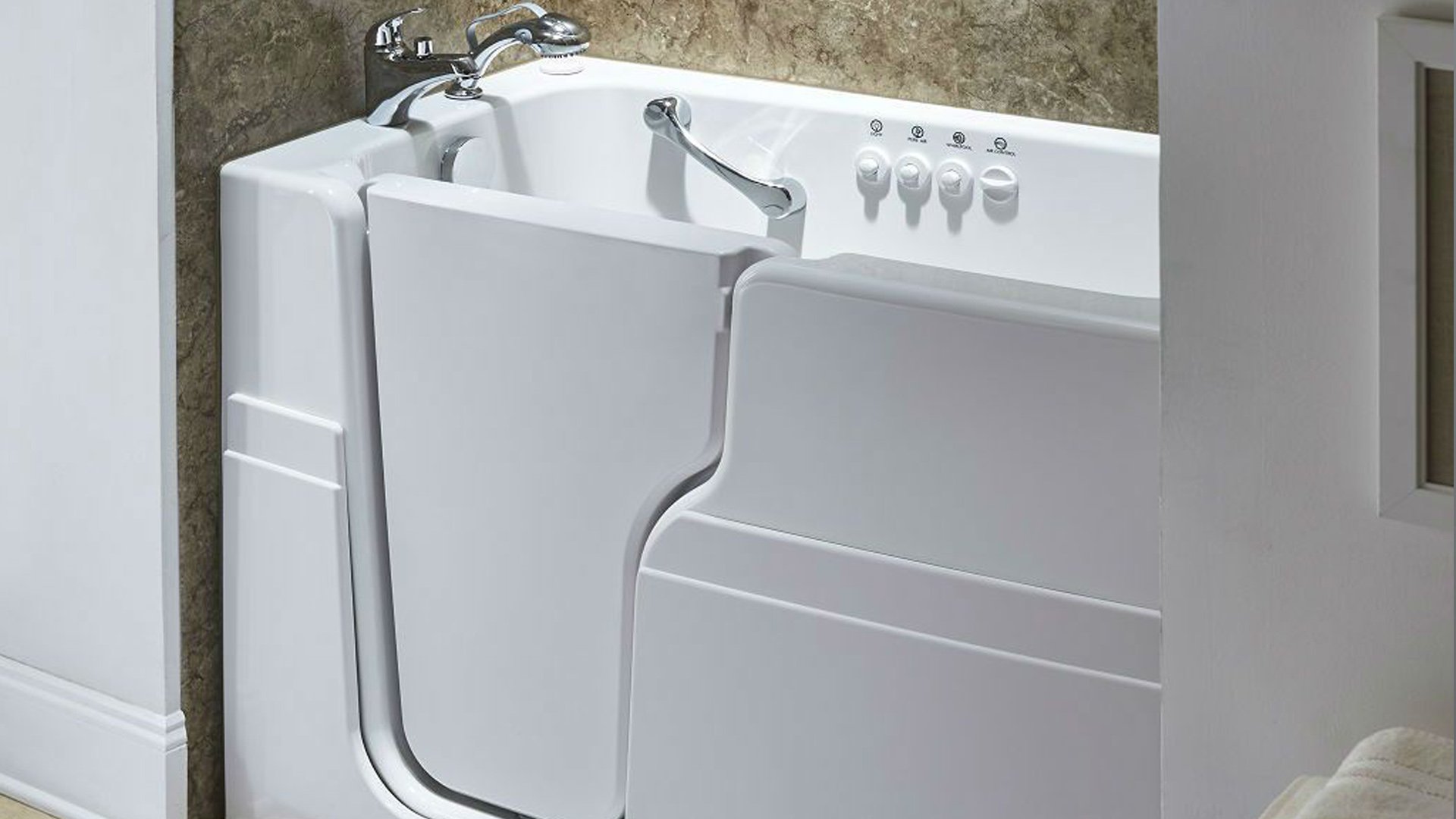
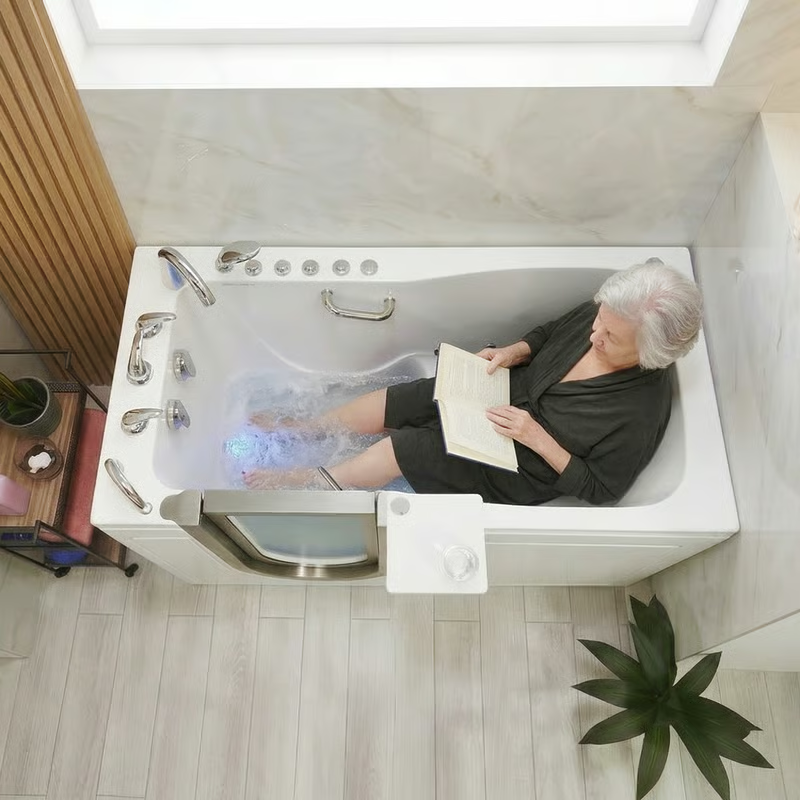
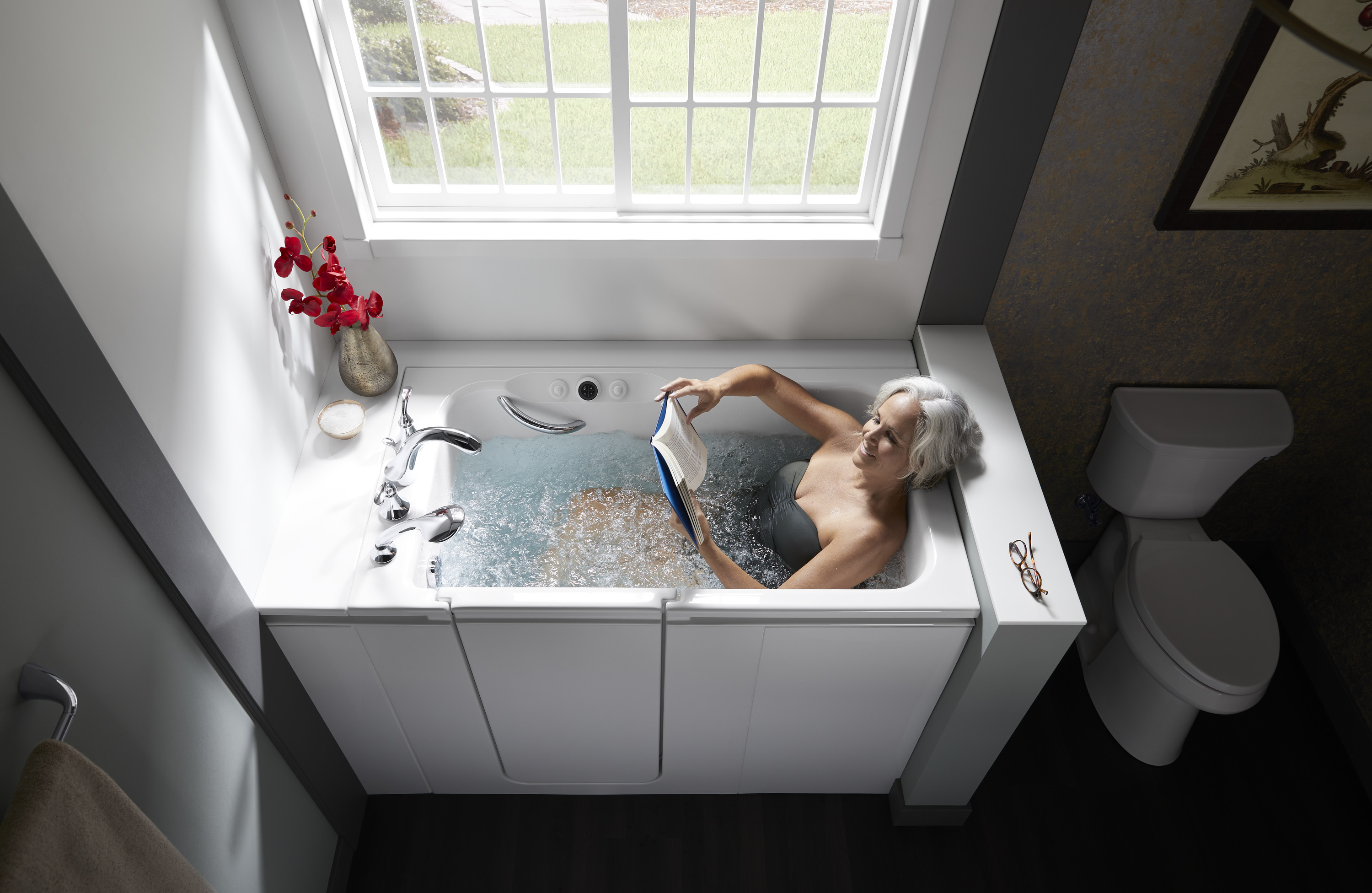
No. Colorado Medicaid's HCBS Home Modification Benefit does not cover walk-in baths. Instead, the state relies on more cost-effective alternatives like tub-cut modifications, transfer benches, or hydraulic bath seats to aid with safe bathing
Walk-In / Accessible Showers
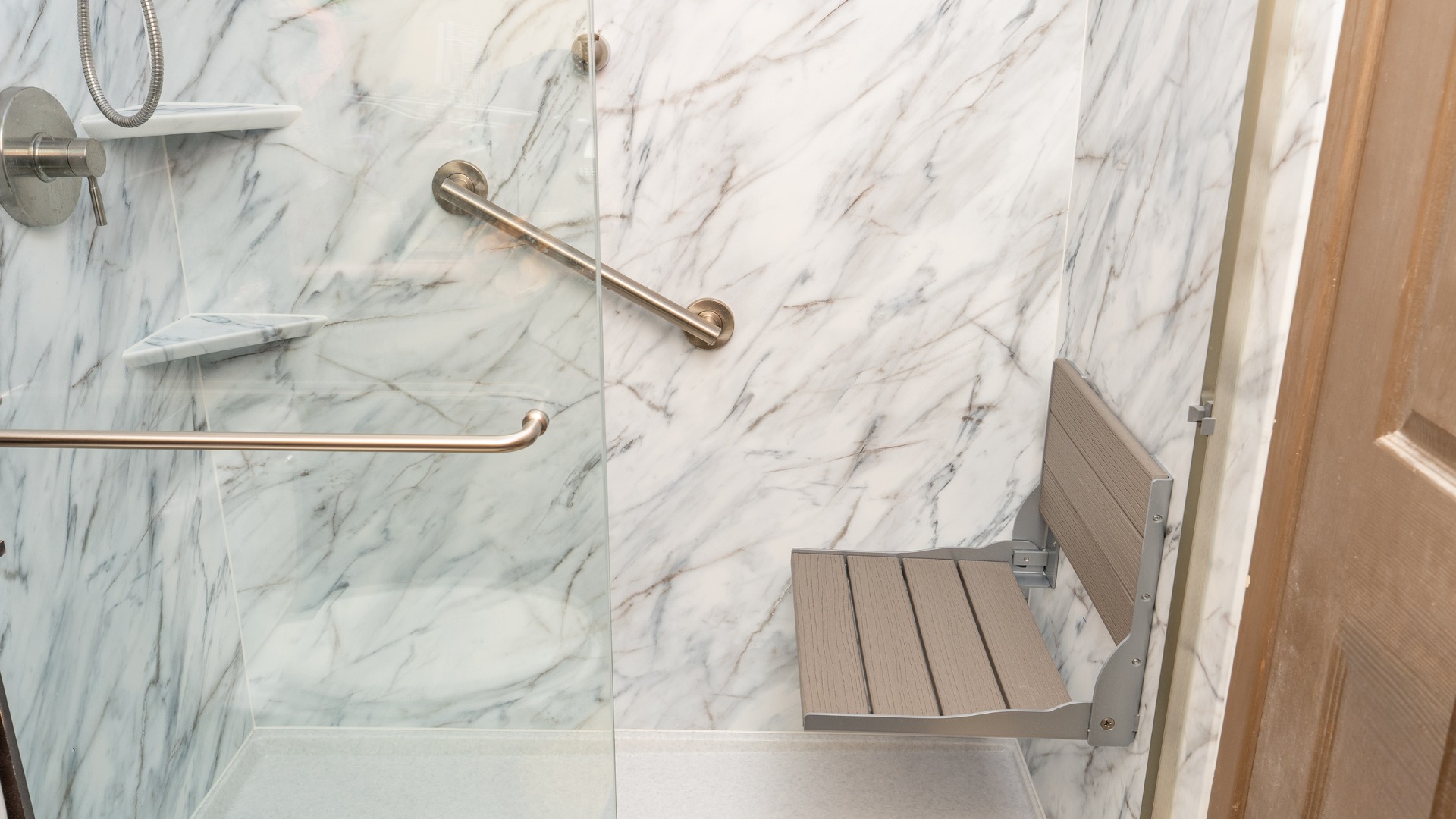
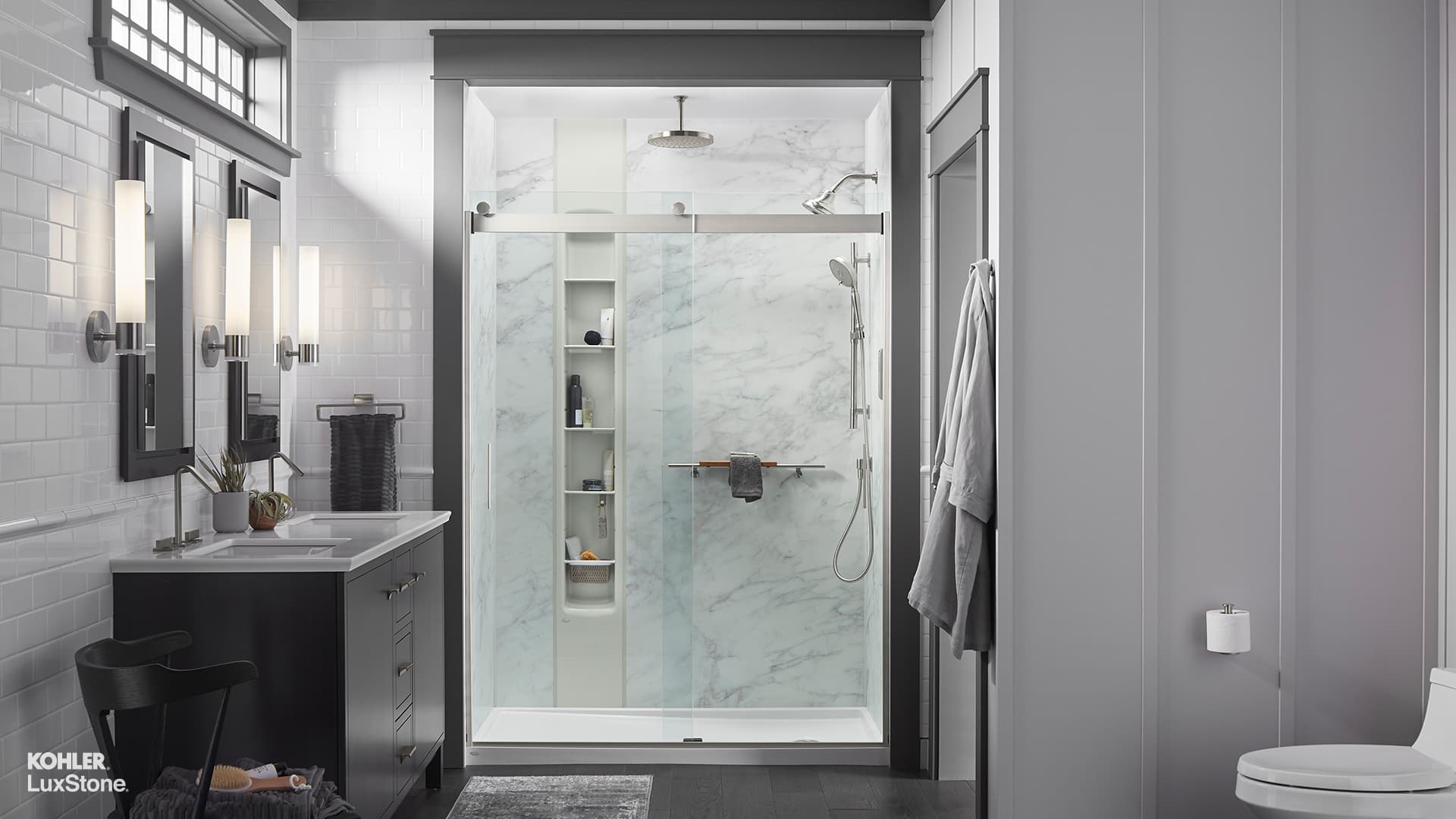
Converting a standard tub/shower combination to a roll-in or walk-in shower with a low or zero-threshold entry is a common type of requested home modification. These showers eliminate the need to step over a tub wall—a major fall risk for older adults and people with mobility limitations. Features that may be included or added:
• Zero-threshold or very low-threshold shower entry
• Fold-down shower bench or built-in seating
• Handheld, adjustable-height showerhead
• Grab bars at appropriate locations
• Non-slip flooring with a high Dynamic Coefficient of Friction (DCOF) rating
• Temperature-limiting or anti-scald valve
Does Colorado Medicaid cover walk-in shower conversions?
Yes. Walk-in shower conversions are among the most commonly requested accessibility modifications because they help reduce fall risk and improve bathing independence. Coverage depends on medical necessity, therapist recommendations, prior authorization approval, and available waiver benefits.
How much does a Medicaid-covered walk-in shower cost in Colorado?
The cost of a walk-in shower conversion varies depending on the home, accessibility requirements, plumbing modifications, and materials selected. Medicaid evaluates proposed costs through the bid and authorization process and generally approves the most cost-effective solution that adequately addresses documented safety and accessibility needs.
Grab Bars and Safety Hardware
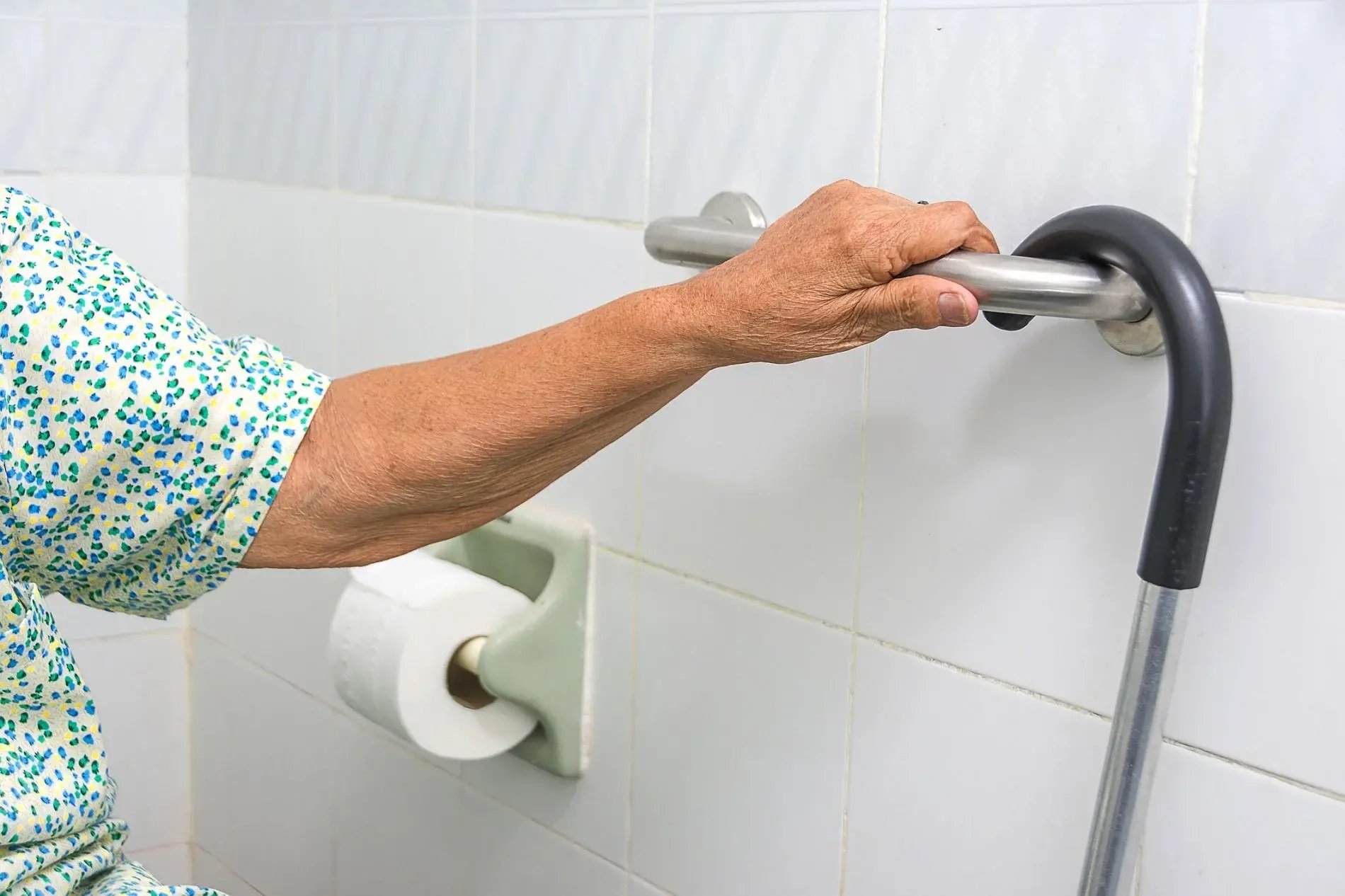
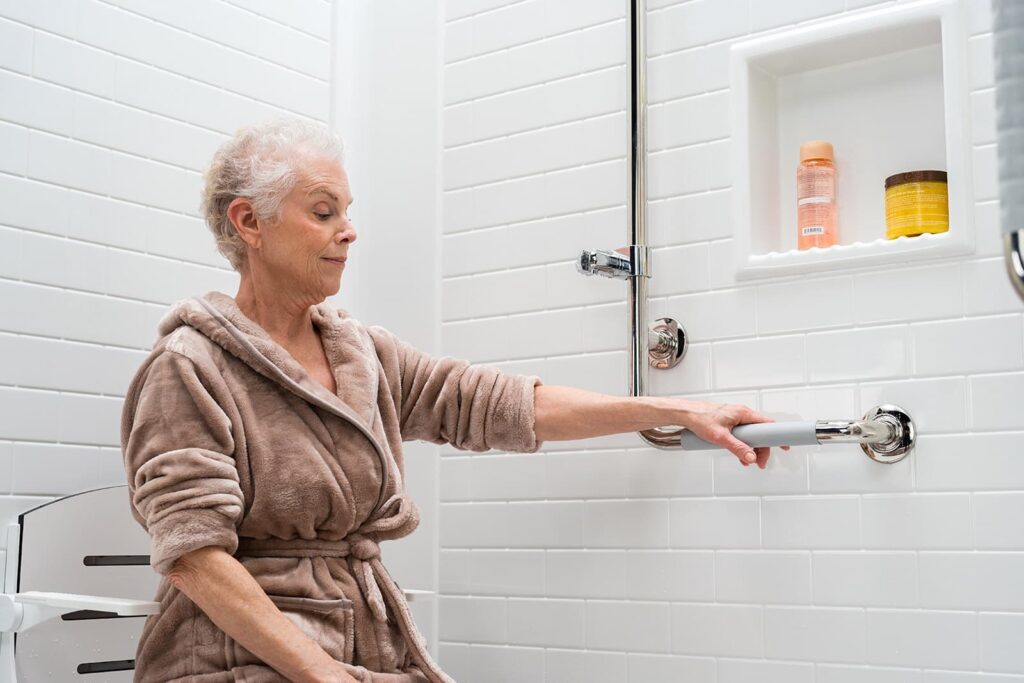
Grab bars are among the most cost-effective and immediately impactful bathroom safety upgrades. Grab bars may be obtained through the Durable Medical Equipment (DME) benefit, while installation may be covered through the Home Modification Benefit when approved as part of an authorized accessibility project
Standards-compliant grab bars should be installed into wall studs or blocking to withstand 250 lbs of force, per ADA and ICC A117.1 standards. Placement should be guided by your occupational therapist’s evaluation.
Other Commonly Covered Bathroom Safety Upgrades
• Raised toilet seats or comfort-height toilets (may be covered as durable medical equipment or as part of a modification project)
• Anti-scald / temperature-limiting shower valves
• Non-slip flooring throughout the bathroom
• Widened bathroom doorways to 32–36 inches for wheelchair or walker access
• Offset door hinges to gain additional clearance
• Handheld showerheads

Section 7: Tips for a Successful Approval
Getting approved for a Medicaid-funded home modification is often less about the type of project you need and more about how well your medical necessity, functional limitations, and documentation are presented throughout the process. The following tips can help you avoid common mistakes, strengthen your application, and improve your chances of a smooth approval experience.
1. Be specific during your OT/PT evaluation. Detail every challenge you face in the bathroom—fear of falling, difficulty stepping over the tub wall, inability to grip surfaces, past falls, specific diagnoses—so the evaluating therapist can document the clearest possible picture of your need.
2. Understand that Medicaid approves the most cost-effective solution. If your therapist recommends a walk-in shower and the state approves a walk-in shower, asking for an upgrade will likely require additional documentation of why the shower is insufficient.
3. Do not start work before prior authorization is confirmed in writing. This is the most common and costly mistake. Any work completed before approval will not be paid for or reimbursed.
4. Keep a paper trail of everything. Copies of all signed forms, correspondence with your case manager, authorization letters, contractor bids, and photos of the completed work protect you if questions arise later.
5. Ask your case manager about your remaining approved home modification benefit amount before adding scope to a project. Because benefit limits and waiver rules can change, it is important to understand how much of your available benefit has already been used.
6. If you are denied, you have the right to appeal. Ask your case manager about the appeals process or contact the HCPF Member Contact Center at 1-800-221-3943.
Section 8: Other Funding Sources to Know
Medicaid's approved home modification benefit may not cover every accessibility improvement you need. Consider these complementary programs:
|
Program |
Overview |
|
Colorado Division of Housing |
The Colorado Division of Housing (CDOH) partners with HCPF on the home modification benefit and may have additional resources for low-income homeowners. Contact: dola_doh_helpdesk@state.co.us |
|
HUD Section 504 Home Repair Program |
For low-income homeowners in rural areas; grants and loans for accessibility modifications. Contact your local USDA Rural Development office. |
|
Veterans Affairs (VA) Specially Adapted Housing (SAH) |
For Veterans with qualifying service-connected disabilities; grants for home modifications up to $126,526 (2026 amount). Visit va.gov/housing-assistance/adaptive-housing-grants/ |
|
Area Agencies on Aging (AAA) |
AAAs in Colorado may have local grant funds for home safety modifications for older adults. Find yours at eldercare.acl.gov |
|
Community Development Block Grant (CDBG) |
Some Colorado municipalities administer CDBG funds for low-income homeowner accessibility improvements. Contact your city or county housing department. |
|
Colorado PACE Program |
The Program of All-Inclusive Care for the Elderly (PACE) combines Medicaid and Medicare benefits and may cover modifications for qualifying enrollees. |
|
HomePride Financing |
HomePride offers flexible financing options for Colorado homeowners who need accessibility upgrades but do not qualify for government programs or who need work beyond the Medicaid cap. Contact us for details. (NOTE: HomePride is not a Medicaid agency, case manager, healthcare provider, or approved Health First Colorado home modification provider) |
Section 9: Complete Application to Approval and Payment
Use this checklist to track your progress through the entire Colorado Medicaid home modification process.
Phase 1: Medicaid Enrollment
☐ Applied for or confirmed active Health First Colorado enrollment at Colorado.gov/PEAK
☐ Received Medicaid enrollment confirmation
Phase 2: Waiver Enrollment
☐ Identified local Case Management Agency (CMA) or SEP agency at hcpf.colorado.gov/case-management-agency-directory
☐ Contacted CMA and requested referral for HCBS waiver (likely EBD Waiver)
☐ Completed level-of-care assessment with CMA/SEP agency
☐ Received waiver enrollment confirmation
Phase 3: OT/PT Evaluation
☐ OT/PT evaluation scheduled and completed
☐ Discussed all bathroom challenges in detail with the evaluating therapist
☐ Received copy of completed OT/PT Home Modification Evaluation form
Phase 4: Bids and Authorization
☐ Case manager sent Bid Request Form to qualified contractors
☐ Reviewed contractor bids with case manager
☐ Selected the most cost-effective bid that meets your medical needs
☐ Signed Client Statement of Understanding
☐ Obtained Property Owner Consent (if renting)
☐ Received written prior authorization from HCPF
Phase 5: Construction
☐ Contractor confirmed start date after written authorization received
☐ Took “before” photos of the bathroom / area being modified
☐ Monitored construction against approved scope of work
☐ Took “after” photos upon project completion
Phase 6: Final Inspection and Payment
☐ Final inspection completed
☐ Contractor paid by Medicaid (you do not pay contractor directly under this process)
☐ Confirmed amount applied toward approved benefit amount with case manager
☐ Retained all paperwork, photos, and authorizations for your records
About HomePride
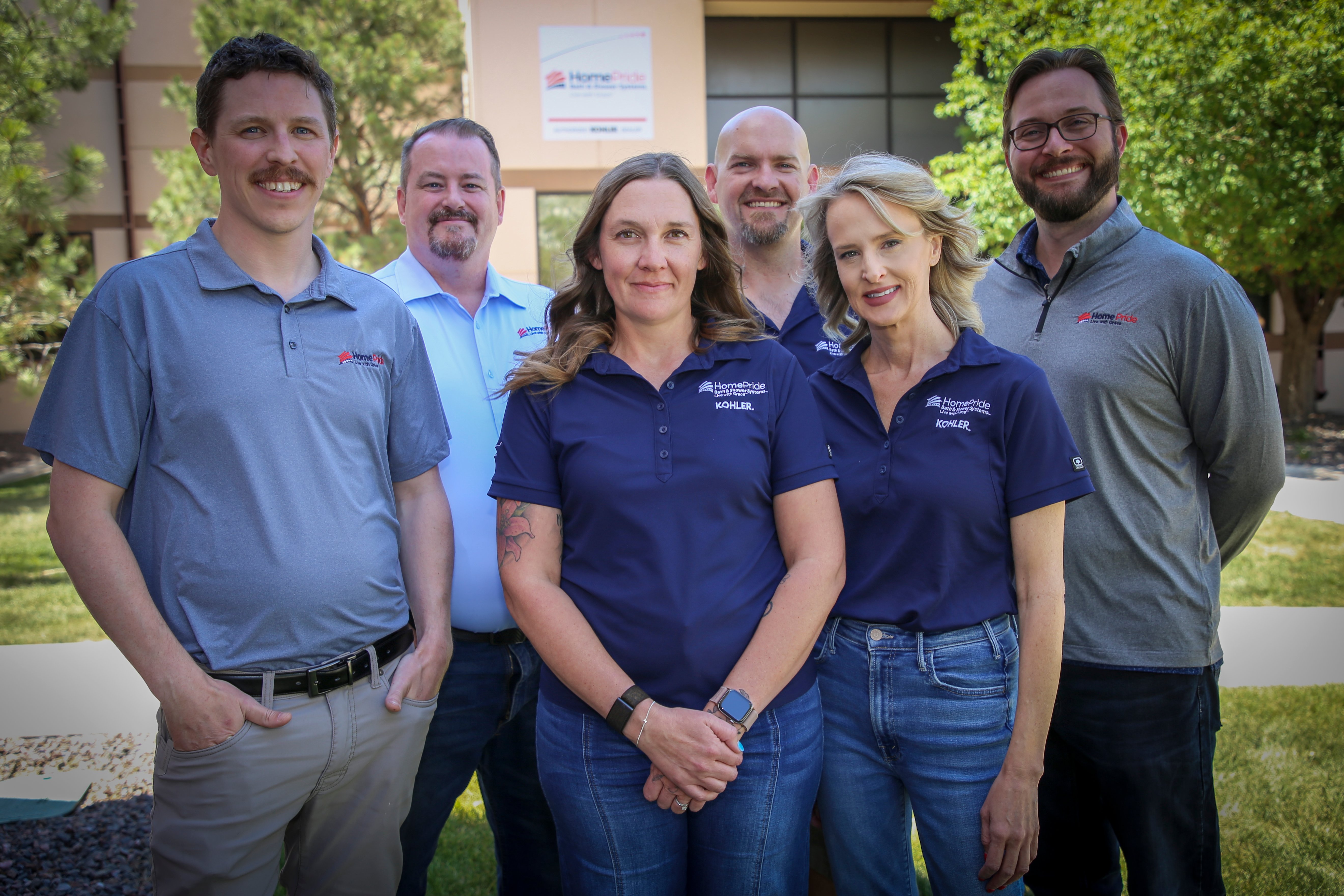
HomePride is Colorado's original certified KOHLER dealer, serving homeowners throughout Colorado and Cheyenne, Wyoming with bathroom remodeling, tub-to-shower conversions, walk-in bath installations, accessible shower solutions, and full bathroom renovations.
As part of our commitment to educating homeowners, we regularly publish resources about bathroom safety, aging in place, accessibility improvements, remodeling costs, and available funding programs that may help families make informed decisions about their homes.
It is important to understand that HomePride is not an approved Health First Colorado (Colorado Medicaid) provider for purposes of direct Medicaid payment. Health First Colorado generally requires home modification services to be performed by approved Medicaid providers in order for payment to be made through the program. HomePride does not determine Medicaid eligibility, submit Medicaid claims, approve benefits, or represent Health First Colorado, HCPF, or any Case Management Agency.
The information in this guide is provided solely as an educational resource. Individuals interested in pursuing Medicaid-funded home modifications should work directly with their Case Management Agency, healthcare providers, and HCPF-approved service providers to determine eligibility and program requirements.
For homeowners exploring accessible bathroom solutions, HomePride is always happy to answer general remodeling questions and provide information about products, design options, and aging-in-place features that may improve safety, comfort, and independence at home. Click here to schedule a no hassle, no cost or obligation consultation today.
Frequently Asked Questions About Medicaid Payments for Home & Safety Improvements
Q1: Does Colorado Medicaid pay for bathroom remodeling?
Colorado Medicaid may cover medically necessary bathroom modifications, but it does not generally pay for cosmetic remodeling. Covered projects must address documented health, safety, accessibility, or functional limitations and be approved through the HCBS Home Modification process.
Q2: Does Colorado Medicaid pay for walk-in showers?
Yes. Colorado Medicaid may cover a walk-in shower conversion through the Home Modification benefit available under certain Home and Community-Based Services (HCBS) Waivers. To qualify, the modification must be medically necessary, approved in advance, and supported by the required assessments and documentation. A walk-in shower is often considered when it improves safety, accessibility, and independence for individuals with mobility limitations.
Q3: Does Colorado Medicaid pay for walk-in baths?
No. Under current HCBS Home Modification Benefit guidance, walk-in baths are not considered a covered waiver benefit. Participants seeking safer bathing options should work with their therapist and case manager to identify approved accessibility solutions that address their documented needs.
Q4: Does Medicaid cover grab bars and bathroom safety equipment?
Yes. Grab bars may be obtained through the Durable Medical Equipment (DME) benefit, while installation may be covered through the Home Modification Benefit when approved as part of an authorized accessibility project
Q5: Who qualifies for Colorado Medicaid home modifications?
Eligibility requires enrollment in Health First Colorado (Colorado Medicaid), qualification for an eligible HCBS Waiver, and documentation showing that the modification is medically necessary. Applicants must also demonstrate that the modification will help them remain safely in their home rather than requiring institutional care. Many participants must also complete a functional assessment demonstrating a need for nursing-facility level care while remaining safely in the community.
Q6: How do I apply for Medicaid home modifications in Colorado?
Most people begin by contacting their local Case Management Agency (CMA). The process typically includes Medicaid eligibility verification, waiver enrollment, a functional assessment, an occupational or physical therapy evaluation, contractor bids, and prior authorization approval before construction can begin.
Q7: Can I choose my own contractor for a Medicaid-funded home modification?
You may be able to suggest a preferred contractor, but Medicaid-funded projects must be completed by providers that meet Health First Colorado requirements and participate in the approved process. Your Case Management Agency can explain current provider requirements and how contractor bids are obtained.
Q8: Can I pay for the project myself and get reimbursed by Medicaid later?
No. Medicaid home modifications must be approved before construction begins. If work starts before authorization is received, Medicaid may not pay the provider and typically will not reimburse a participant who paid out of pocket.
Q9: How long does the Medicaid home modification approval process take?
Timelines vary depending on eligibility determinations, assessments, documentation requirements, authorization review, contractor availability, and project complexity. Some projects move relatively quickly, while others may take several months from the initial referral through final construction.
Q10: What happens if my home modification costs more than Medicaid will cover?
If the total project cost exceeds your approved Medicaid benefit amount, you may need to explore other funding sources, pay the difference yourself, or consider financing options. In some situations, additional grant programs, veteran benefits, housing assistance programs, or other funding sources may help cover remaining costs.
Q11: What should I do if my Medicaid home modification request is denied?
You have the right to appeal a Medicaid denial. Contact your case manager as soon as possible to understand the reason for the decision and discuss the appeals process. You may also contact the HCPF Member Contact Center at 1-800-221-3943 for additional information about your appeal rights.
Reviewed for accuracy against Colorado HCPF guidance and publicly available Medicaid program documentation. Last updated: June 2026. Colorado Medicaid rules change frequently. Verify all information at hcpf.colorado.gov or by calling 1-800-221-3943 before taking action.
Sources for this guide include the Colorado Department of Health Care Policy and Financing (HCPF), Health First Colorado program materials, HCBS Waiver documentation, Colorado regulations, and other publicly available government resources.
Topics: