
If you’re researching shower grab bars, you’re likely trying to solve a very real problem.
Maybe you’re:
- Planning a bathroom remodel
- Helping a parent stay in their home longer
- Recovering from surgery
- Or simply thinking ahead about safety
Wherever you’re coming from, this article is designed to give you a clear, honest, and complete picture, and not a sales pitch.
No brand paid to be featured here. The goal is simple: help you make the right decision for your home.
What is the best grab bar for a shower or bathroom?
The best shower grab bar for most homes is a stainless steel, 500 lb-rated bar installed into wall studs, with Moen offering the best overall balance of strength, reliability, and installation flexibility. However, the “best” option depends more on placement and installation quality than brand alone.
The Most Common Questions Homeowners Ask About Grab Bars
Before we go deeper, let’s address the exact questions most people are trying to answer:
- Are shower grab bars actually necessary or just for seniors?
- What’s the safest type of grab bar?
- Are suction grab bars safe?
- Which brand is best for long-term use?
- How much weight should a grab bar support?
- Where should grab bars actually be placed?
We’ll answer each of these clearly so you can make a confident decision and not just an informed guess.
The Bathroom Is the Most Dangerous Room in Your Home (Whether You Realize It or Not)
In Colorado, where many homeowners are choosing to age in place due to rising housing costs and long-term homeownership trends, bathroom safety upgrades like grab bars are becoming one of the most practical and proactive remodeling decisions.
Most people don’t think of their bathroom as risky.
It’s familiar. Routine. Used every day.
But it’s also:
- Wet
- Hard-surfaced
- Tight on space
- Often used when you’re tired or distracted
And the data is difficult to ignore.
According to the CDC and National Safety Council, falls are the leading cause of injury among older adults, with hundreds of thousands of bathroom-related injuries occurring each year.
- 235,000 people visit U.S. emergency rooms due to bathroom injuries
- More than 1 in 4 adults over 65 fall annually
- 43,020 older adults died in 2024 from preventable falls
- Falls account for 81.1% of bathroom injuries
From a cost standpoint, the National Council on Aging states:
- Nonfatal fall injuries reached $80 billion in 2024
- That number is projected to exceed $101 billion by 2030
This isn’t about creating fear. It’s about understanding the environment clearly enough to prevent risk and make smarter decisions.
Because once you do, grab bars stop feeling optional. Instead, they start looking like one of the most practical upgrades you can make.
What a Shower Grab Bar Actually Is (and Why It’s Different Than What Most People Use)
What is a shower grab bar?
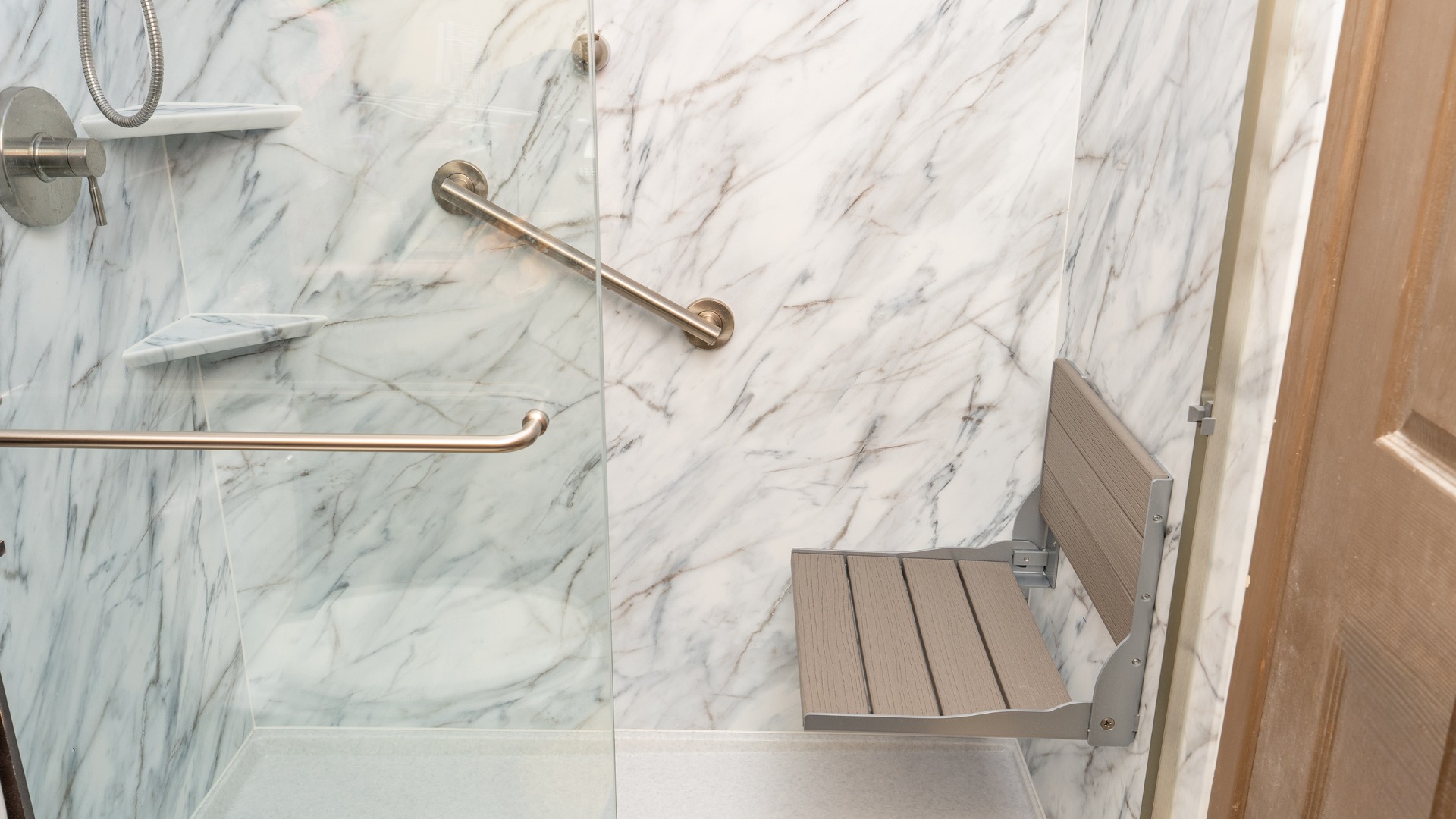
A shower grab bar is a wall-mounted safety bar designed to support full body weight and prevent slips and falls in wet bathroom environments.
Typically made from stainless steel, these tools are designed to support your full body weight. That’s what separates it from everything else people instinctively grab:
- Towel bars
- Shower doors
- Soap dishes
Those are not designed to hold weight. A properly installed grab bar is. And that difference isn’t cosmetic. It’s structural.
It’s the difference between:
- Catching yourself safely
- And having the thing you grabbed fail when you need it most
Do Grab Bars Actually Reduce Falls? Here’s What the Research Says
Before we talk brands or installation, let’s answer the most important question:
Do they work?
Yes and the evidence is specific.
A study published in Human Factors (SAGE Journals) found that participants were 75.8% more likely to recover balance when using a grab bar, while additional research in JMIR Rehabilitation and Assistive Technologies supports improved mobility and fall prevention outcomes.
Research published in JMIR Rehabilitation and Assistive Technologies found that grab bars don’t serve just one purpose:
- They help with everyday movement in the shower, like getting in, out, or adjusting your position
- They also act as a critical safety support if you start to slip and help bathers regain balance.
The key takeaway: the best placement for comfort and mobility isn’t always the same as the best placement for fall prevention, which is why thoughtful positioning matters.
Real-world data supports this as well.
An EMS-led installation program (with Ohio State University) showed:
- 34% fewer fall-related emergency calls within 12 months of installation
These aren’t marketing claims.
They’re consistent, peer-reviewed findings.
Grab bars work, but only when they’re set up in a way your body can actually rely on.
What This Looks Like in Real Life
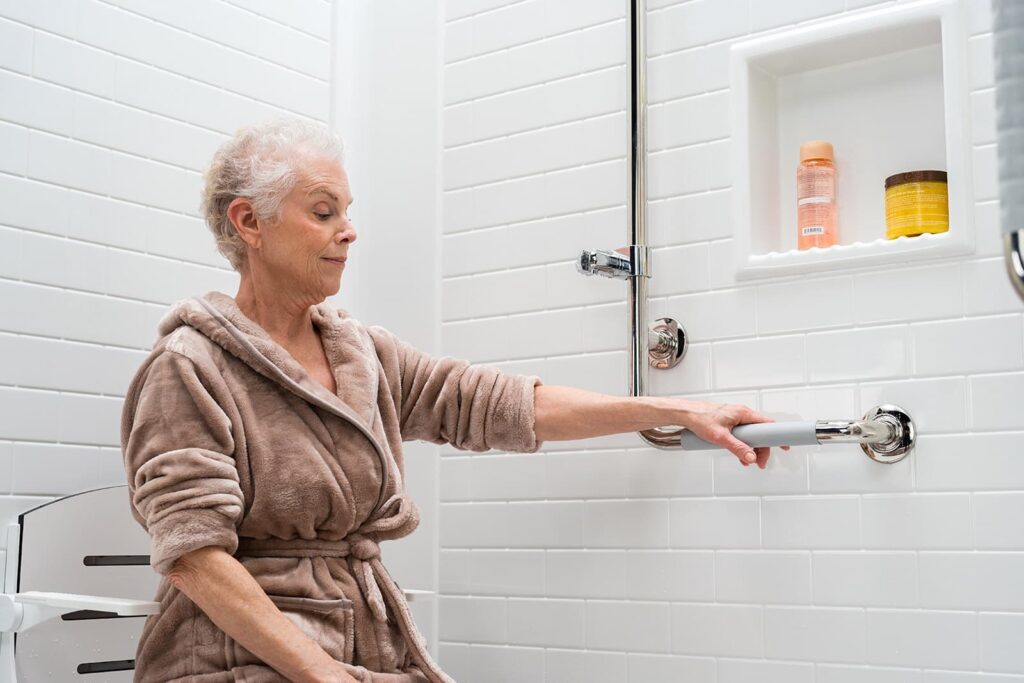
A homeowner steps out of a shower and their foot slips slightly on a wet surface.
Without a grab bar:
They instinctively reach for a towel bar or the shower door. It gives way.
The fall happens in less than a second.
With a properly placed grab bar:
Their hand lands on a fixed, anchored support. Their body stabilizes immediately.
No fall.
That’s the difference these create. Not over time, but in a single moment when reaction matters more than intention.
Multiple studies in occupational therapy and rehabilitation research consistently show that properly installed grab bars significantly reduce fall risk and improve user stability in wet environments.
What “ADA Compliant” Really Means (And Why It Can Be Misleading)
You’ll see “ADA compliant” on almost every grab bar. Here’s what that actually includes:
- Minimum support: 250 lbs of force
- Mounting height: 33–36 inches
- Diameter: 1.25–1.5 inches
- Wall clearance: 1.5 inches minimum
These guidelines are based on standards established by the Americans with Disabilities Act (ADA), which define minimum safety and accessibility requirements for grab bar installation.
But here’s the part that often gets missed:
👉 The rating applies to the entire system and not just the bar.
That includes:
- The screws
- The mounting hardware
- The wall structure
So a “500 lb grab bar” installed into drywall?
It’s not a 500 lb system.
The wall determines the real capacity.
For most homeowners, that’s the difference between:
- A safety device
- And something that fails under real-world force
The 3 Main Grab Bar Types (And Why Placement Matters More Than Brand)
Before choosing a brand, you need to understand orientation, because the way a grab bar is positioned directly affects how useful it is.
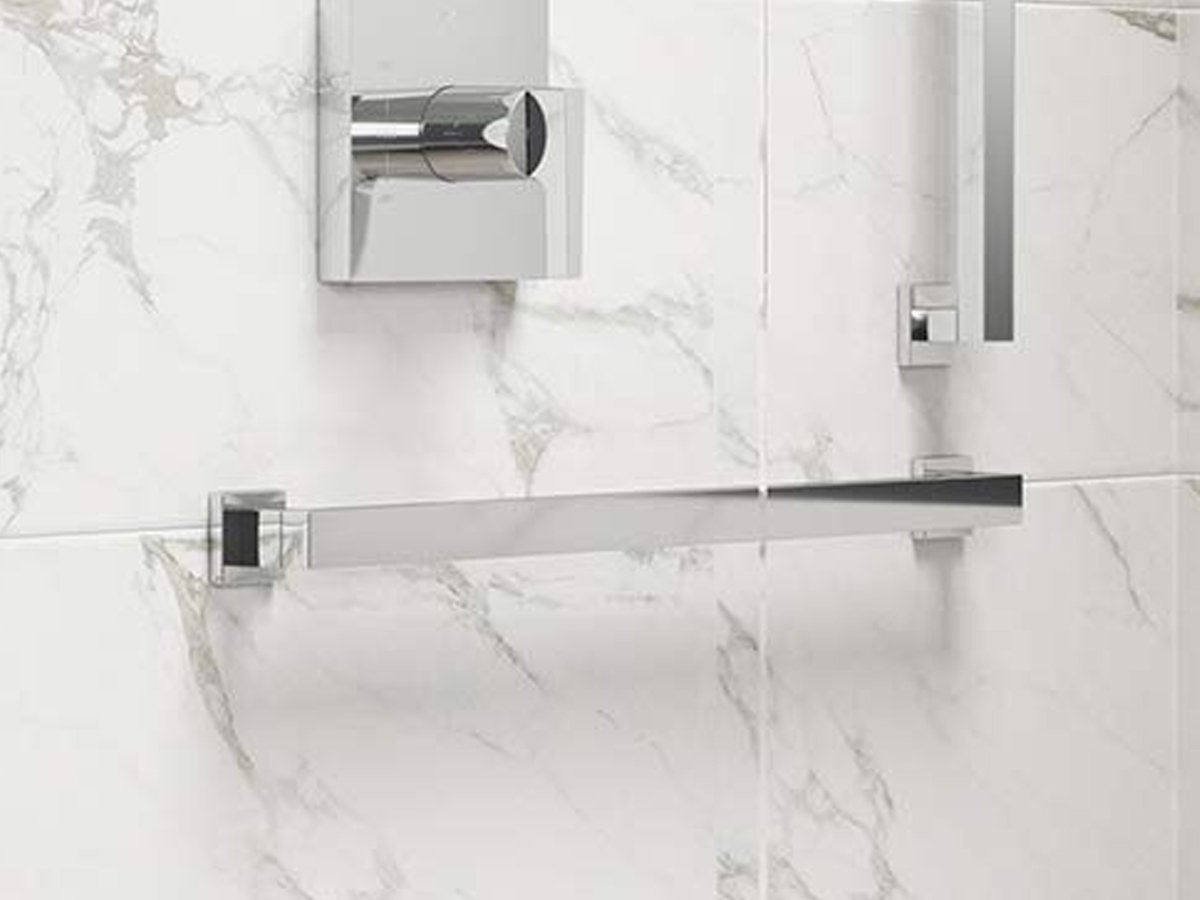
Horizontal Grab Bars
- Installed parallel to the floor (33–36 inches high)
- Best for standing stability
- Most common and versatile
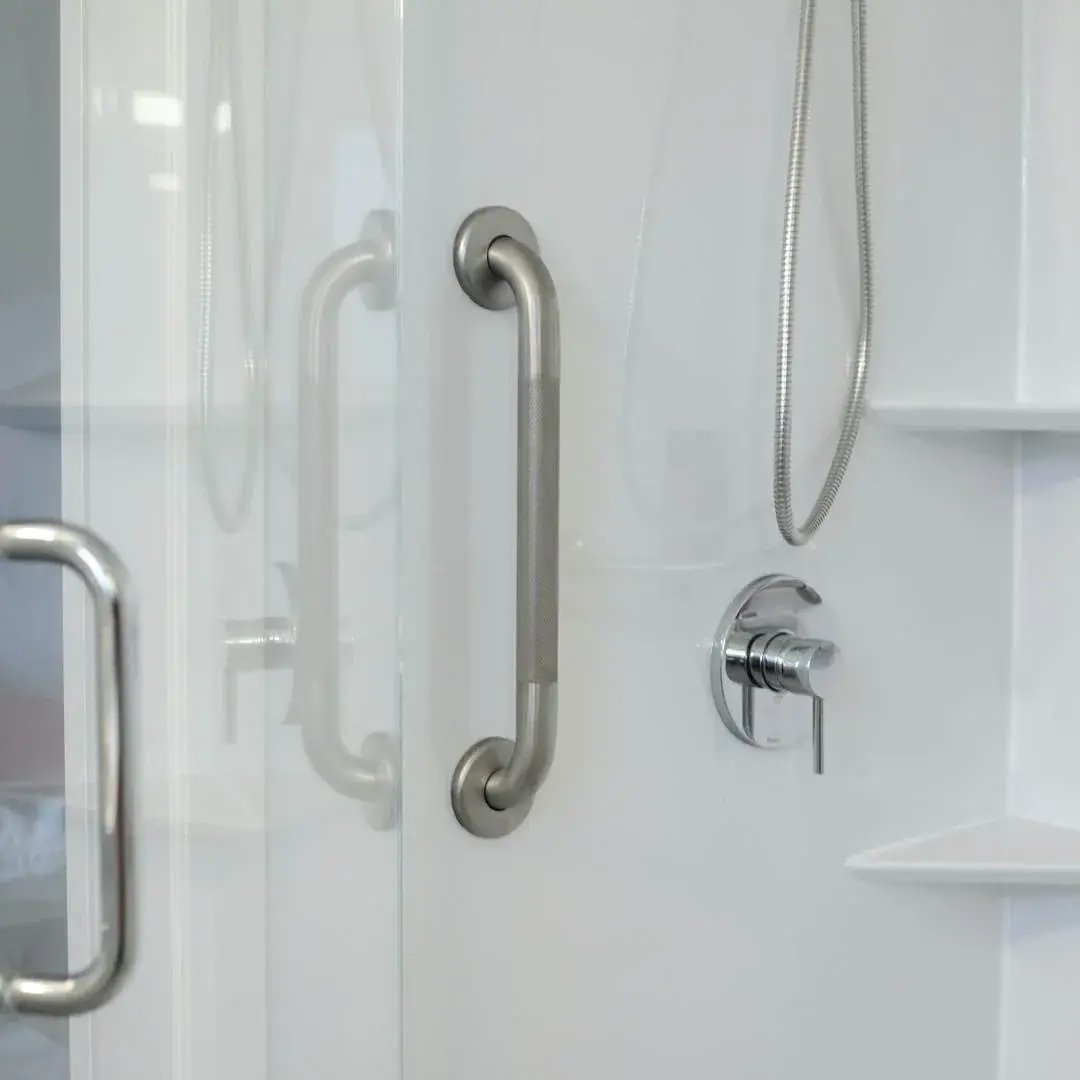
Vertical Grab Bars
- Installed perpendicular to the floor
- Ideal for stepping over tub walls
- Supports natural pulling motion for standing
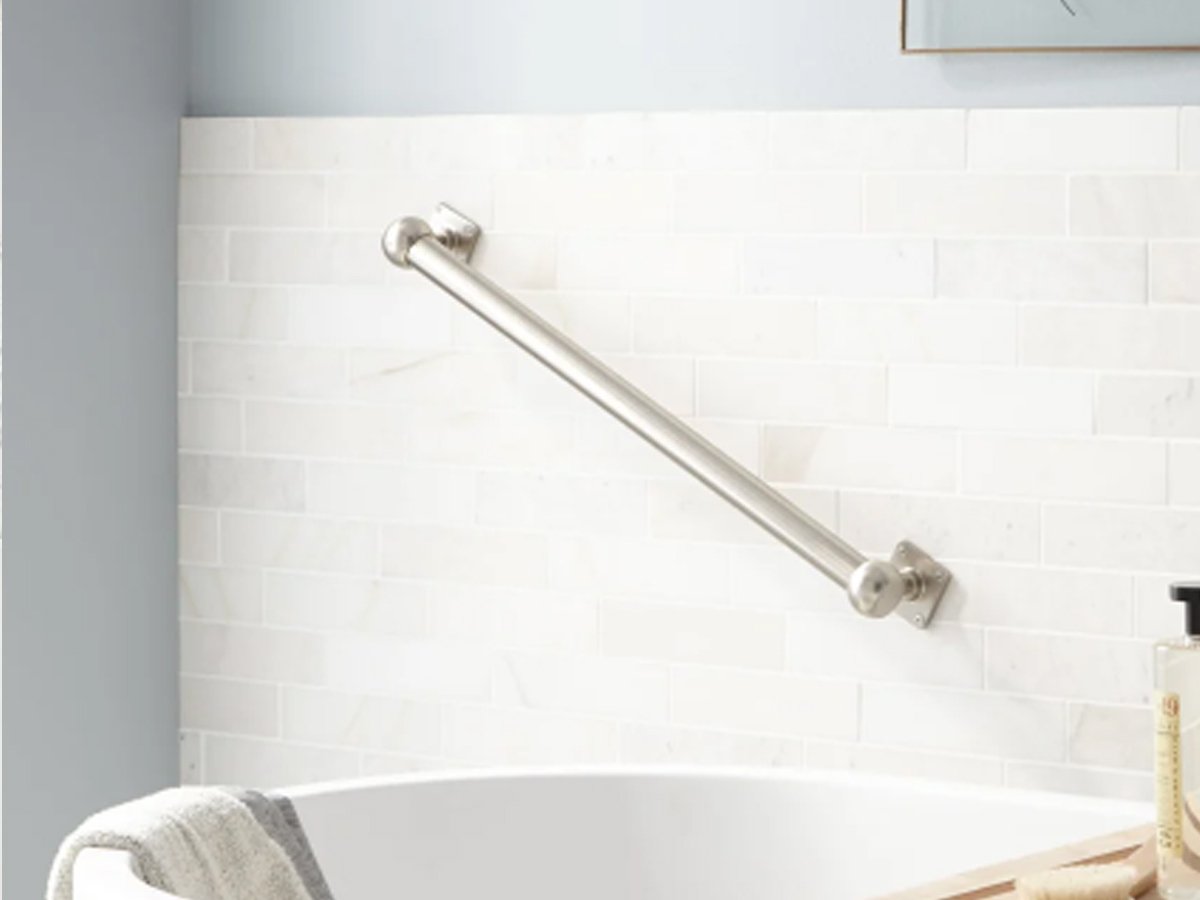
Diagonal (Angled) Grab Bars
- Installed at roughly 45 degrees
- Combines benefits of both
- Works well for multiple users and heights
In many cases, if you’re only installing one bar, a diagonal placement offers the most flexibility.
Important Placement Warning (Backed by Research)
A Georgia Tech study found that rear-wall ONLY toilet grab bars can increase fall risk.
Why?
Because users tend to reach too far, twist their body, and lose stability.
The safer option is to pair a rear bar with a side-wall bar within natural reach.
This is a good example of something that looks intuitive, but isn’t.
The Best Grab Bar Brands (2026 Guide)
The market ranges from $20 utility bars to $150+ premium fixtures. Here’s how the top options actually compare.

1. Moen Home Care — Best Overall
Moen consistently ranks at the top across:
- Consumer reviews
- Contractor recommendations
- Independent testing
Strengths:
- Up to 500 lbs capacity
- Wide size range (16"–48")
- Clean, concealed mounting
- Flexible installation system (SecureMount)
- Corrosion-resistant stainless steel
Limitations:
- Smooth versions can get slippery
- Mid-to-high price range
- Still visually reads as a “safety feature” for some homeowners
Best for: Primary shower installations where reliability matters most
Who this may NOT be best for:
If you’re looking for the highest level of grip in a wet environment, Moen’s smoother finishes may not provide as much traction as fully textured or knurled bars.
It may also not be ideal if you’re trying to completely hide the look of a grab bar. While clean and modern, it can still read as a safety feature in some designs.
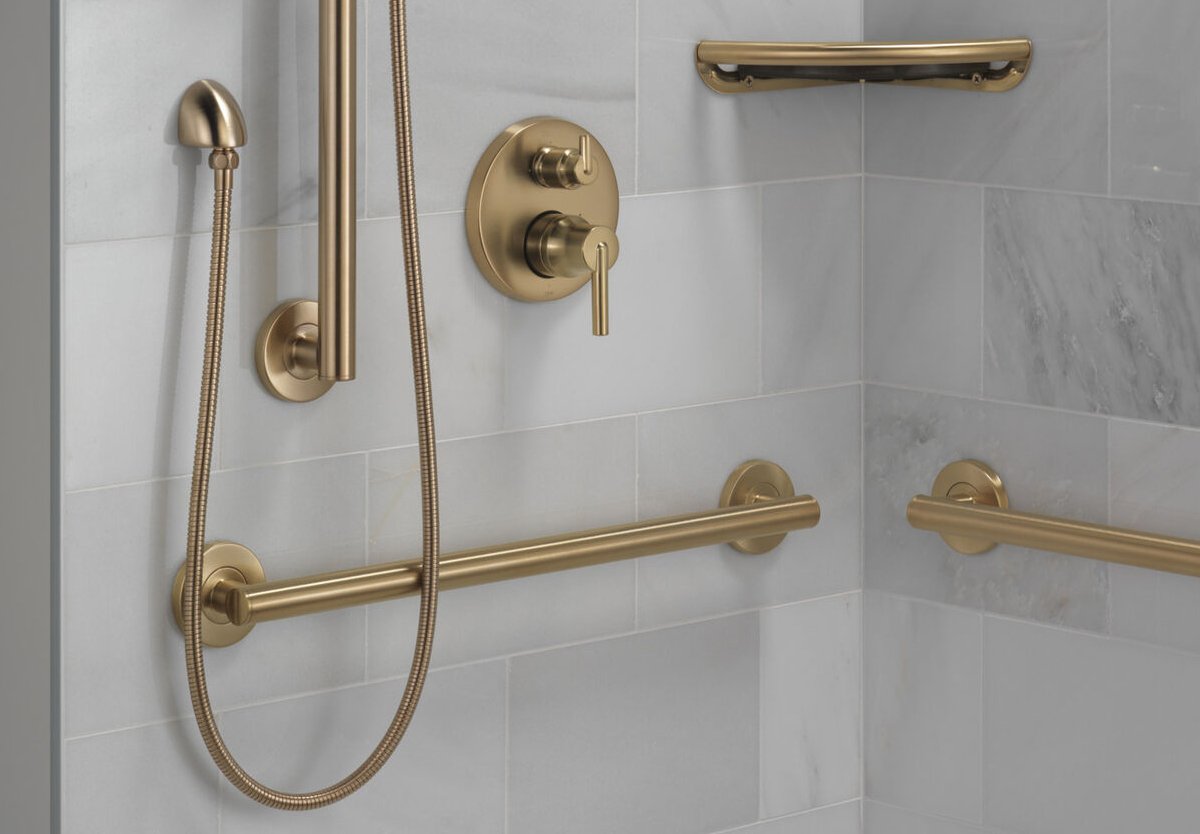
2. Delta — Best for Design Integration
Delta focuses on making grab bars feel like part of the bathroom, not just an add-on.
Strengths:
- Matches modern finishes (matte black, bronze, etc.)
- Blends with fixtures
- Up to 500 lbs capacity
- Strong manufacturing consistency
Limitations:
- Fewer size options
- Less grip than textured bars
- Slightly higher price for decorative styles
Best for: Remodels where aesthetics and safety need to coexist
Who this may NOT be best for:
If your top priority is safety and grip, especially for someone with limited strength or balance, Delta’s more design-focused bars may not offer as much traction as textured alternatives.
It may also not be the best fit if you need highly specific sizing or placement flexibility, as options can be more limited than other brands.
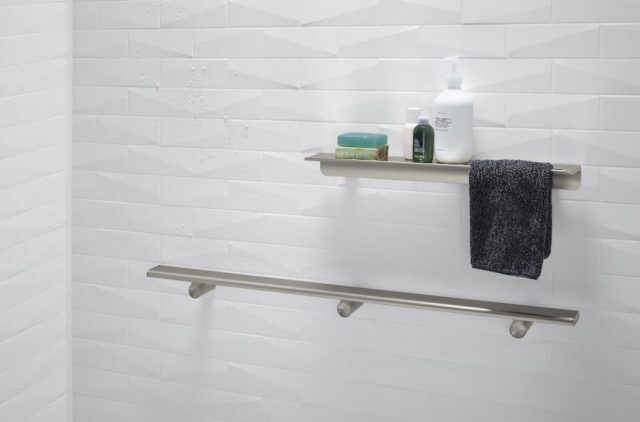
3. Kohler — Premium Option
Kohler sits at the top end of the market.
Strengths:
- High-end finish and craftsmanship
- Seamless integration with Kohler systems
- Clean, architectural design
Limitations:
- Highest price point
- Not always functionally better than mid-tier options
- Smooth surfaces prioritize appearance over grip
Best for: Full luxury remodels or Kohler-specific systems
Who this may NOT be best for:
If you're focused purely on function and value, Kohler’s premium pricing may not deliver a meaningful performance advantage over more affordable options.
It may also not be the best choice in higher-risk environments, as many models prioritize smooth, design-forward finishes over maximum grip.
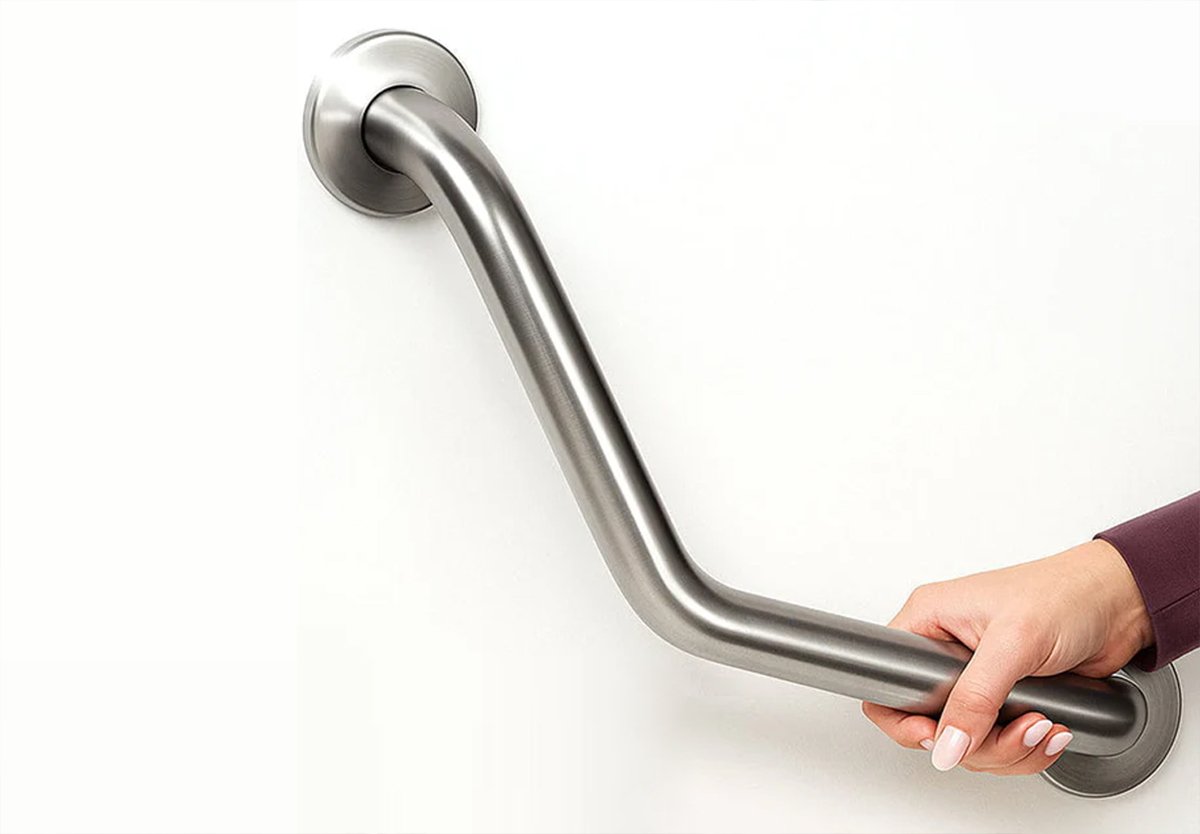
4. Vive — Best Budget Value
Vive offers strong performance at a lower price point.
Strengths:
- Up to 440 lbs capacity
- Solid steel construction
- Affordable
Limitations:
- Limited finishes
- More utilitarian look
- Still requires proper installation to be safe
Best for: Budget-conscious installs or secondary bathrooms
Who this may NOT be best for:
If you’re remodeling a primary bathroom and want a cohesive, high-end look, Vive’s more utilitarian design may feel out of place.
It may also not be ideal if you want a wide range of finish options or sizes to match a custom layout.
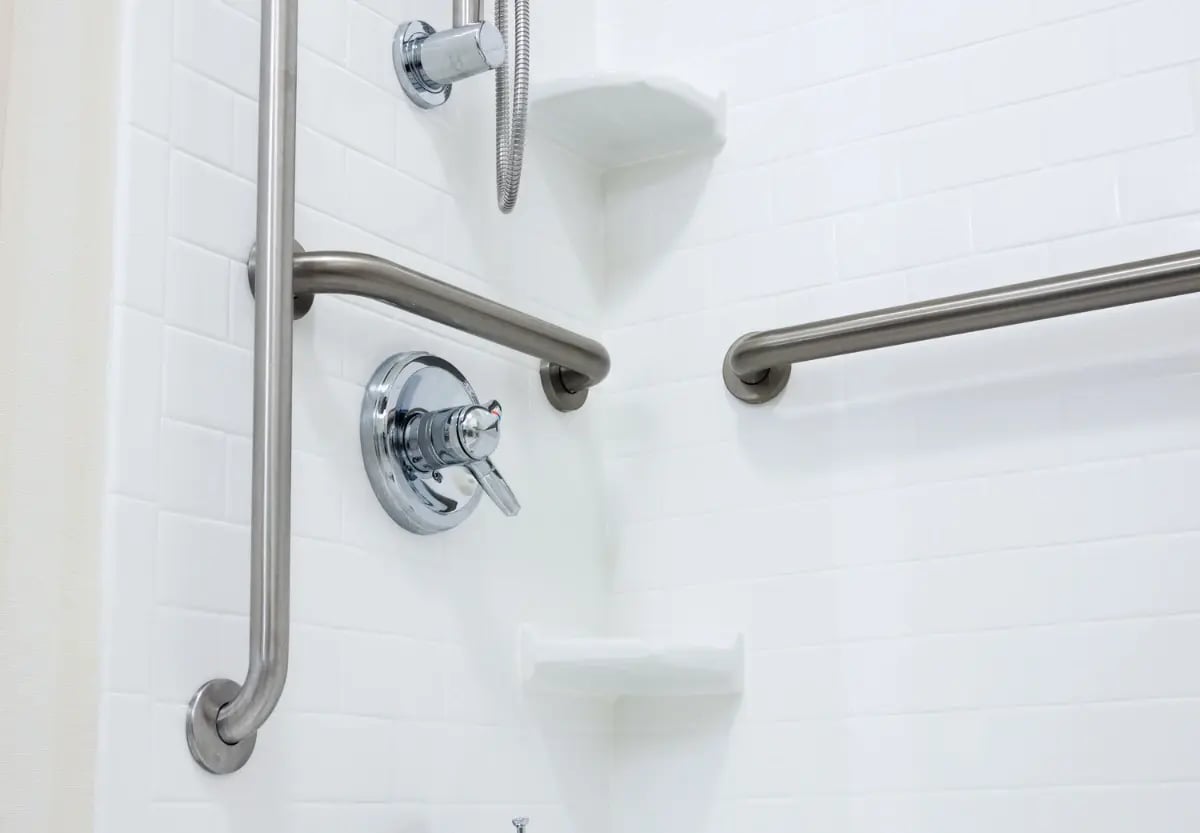
5. Drive Medical — Healthcare-Grade Grip
Designed for function first.
Strengths:
- Fully knurled (textured) surface
- Strong grip in wet conditions
- Very affordable
Limitations:
- Clinical appearance
- Limited design options
Best for: Safety-first environments where grip is the top priority
Who this may NOT be best for:
If aesthetics matter in your space, Drive Medical’s clinical appearance can feel out of place in a residential bathroom.
It may also not be the right fit for design-focused remodels where blending with fixtures and finishes is a priority.
Grab Bar Brand Comparison (At a Glance)
|
Brand |
Best For |
Weight Capacity |
Grip Level |
Price Range |
|
Moen |
Overall reliability & long-term durability |
Up to 500 lbs |
Medium |
$$–$$$ |
|
Delta |
Design-focused remodels |
Up to 500 lbs |
Medium |
$$–$$$ |
|
Kohler |
Luxury, high-end bathrooms |
Up to 500 lbs |
Low–Medium |
$$$–$$$$ |
|
Vive |
Budget-friendly installations |
Up to 440 lbs |
Medium |
$ |
|
Drive Medical |
Maximum grip and safety |
High |
High (textured/knurled) |
$ |
Quick Comparison: Which Grab Bar Is Right for You?
If you're trying to make a decision quickly, here’s the simplest way to think about it:
Choose Moen if:
You want the most reliable, proven option with flexible installation and long-term durability
Choose Delta if:
You care about design and want the grab bar to blend seamlessly with your fixtures
Choose Kohler if:
You're doing a high-end remodel and want everything to match at a premium finish level
Choose Vive if:
You need a strong, budget-friendly option that still performs well
Choose Drive Medical if:
Grip and safety matter more than appearance, especially in higher-risk situations
If you're unsure:
If you're unsure, use this simple rule:
• Choose Moen if you want the safest, most reliable all-around option
• Choose Drive Medical if maximum grip and safety are your top priority
• Choose Delta or Kohler only if design and finish matching matter just as much as function
When in doubt, prioritize grip, placement, and installation quality over brand alone. That’s what actually prevents falls.
If You’re Torn Between Two Options
This is where most homeowners get stuck.
Here’s how to decide:
Moen vs Delta:
Choose Moen if reliability and flexibility matter more than appearance
Choose Delta if design integration is just as important as safety
Delta vs Kohler:
Choose Delta if you want strong performance at a more practical price
Choose Kohler if you’re already investing in a premium, fully coordinated bathroom
Vive vs Drive Medical:
Choose Vive if you want affordability with a more neutral look
Choose Drive Medical if grip and safety are your top priority without compromise
When in doubt:
Choose the option that gives you better grip and more reliable support in real use. That’s what actually prevents falls; not brand name alone
A Quick Word on Suction Cup Grab Bars
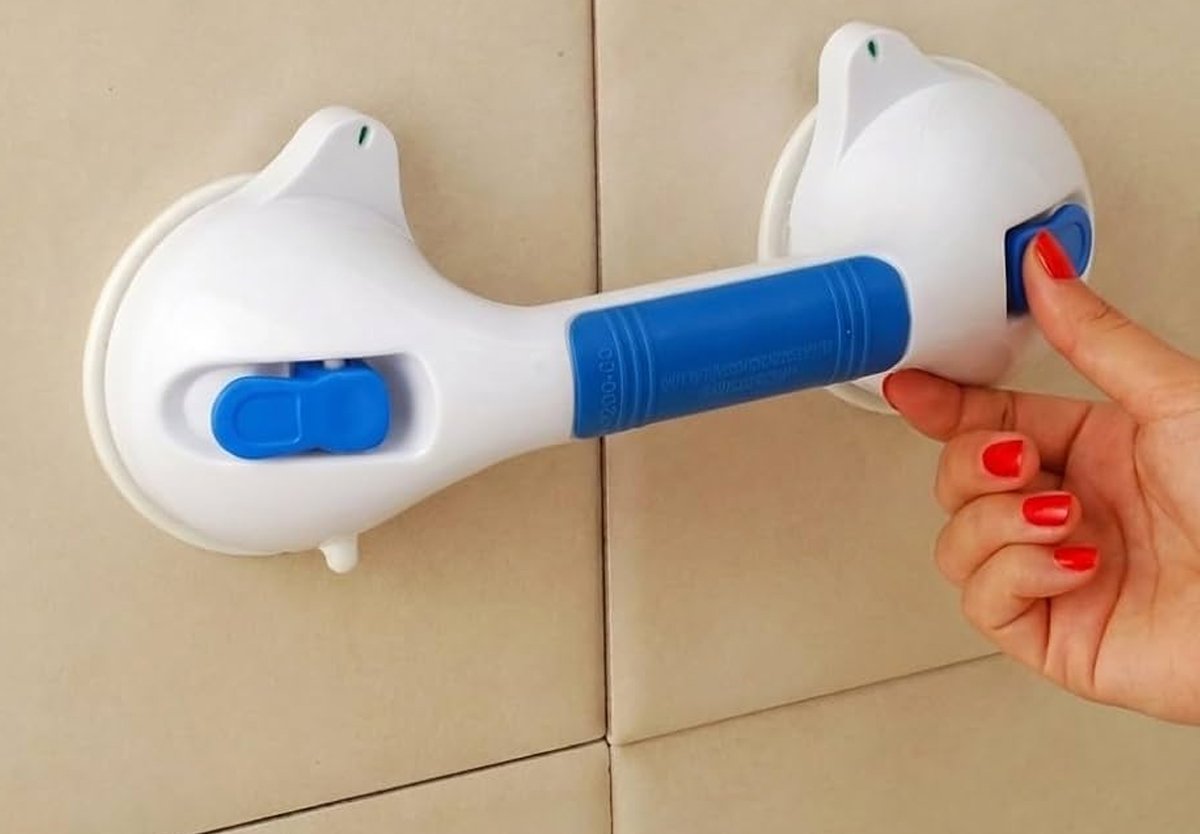
Suction Cup Grab Bars are a common product that many homeowners come across when looking into the subject of grab bars. And they’re popular for a reason. They involve no drilling, their low cost, and they are easy to install.
But they are not equivalent to mounted grab bars.
They:
- Do not meet ADA standards
- Are not designed for body weight
- Can detach under load
According to ADA guidelines and consumer safety experts, suction grab bars are not considered reliable for full body weight support and should only be used for light balance assistance.
If someone is relying on one to prevent a fall, that’s not a solution. That’s a risk.
Who Grab Bars Are (and Aren’t) For
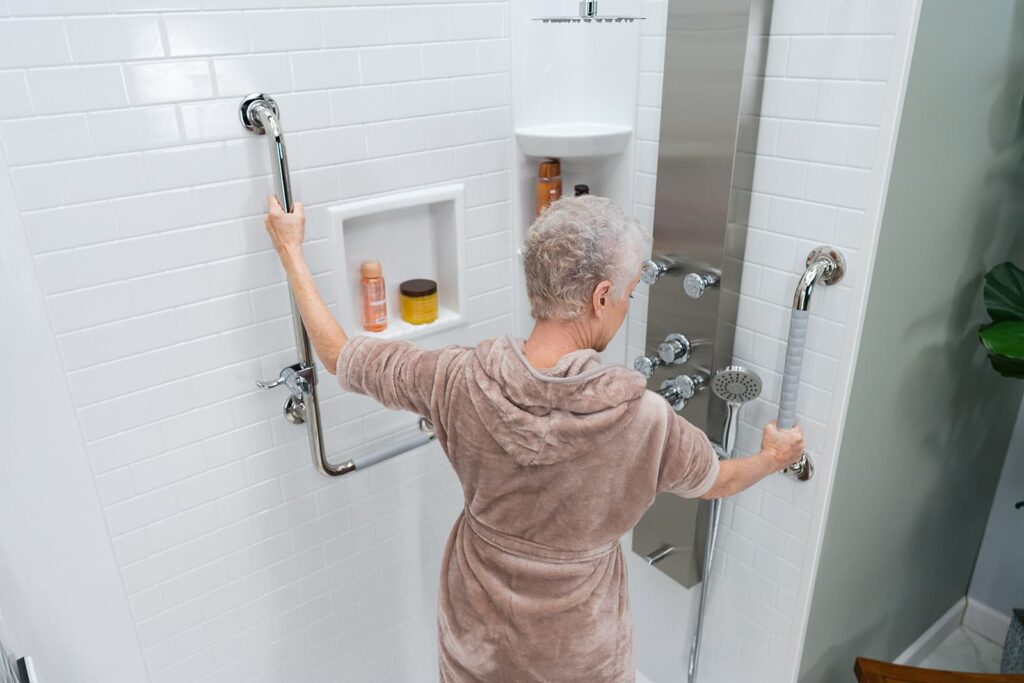
Grab bars are a smart upgrade for many homes, but not every situation is the same.
Grab bars make the most sense if:
- You’re planning to age in place
- You’re helping a parent stay independent
- You’re recovering from surgery or injury
- You want to reduce risk before something happens
- You’re remodeling and want to future-proof your bathroom
Grab bars may not be enough on their own if:
- Balance issues are severe (you may also need seating or assisted devices)
- The bathroom layout creates awkward reach or movement patterns
- Installation into proper structure isn’t possible without modification
And one important distinction:
If you’re relying on suction grab bars for fall prevention, you don’t actually have a fall-prevention solution yet.
How to Choose the Right Grab Bar (A Simple 4-Step Plan)
If you want to get this right the first time, focus on these four decisions:
• One bar only? → Go angled
• Need the most stability while standing? → Go horizontal
• Need help stepping in/out of a tub or shower? → Add a vertical bar
Then refine from there based on your layout.
Step 1: Choose the Right Type
- Horizontal for stability
- Vertical for entry/exit
- Angled for versatility
Step 2: Choose the Right Strength Rating
- Minimum: 250 lbs (ADA standard)
- Recommended: 500 lbs for real-world safety
Step 3: Choose the Right Placement
Think about how your body actually moves:
- Where do you step in?
- Where do you shift your weight?
- Where are you most likely to lose balance?
Step 4: Make Sure It’s Installed Into Structure
This is non-negotiable:
- Studs or blocking only
- No drywall-only installs
- No shortcuts
If any one of these steps is wrong, the grab bar may not do its job when you need it most.
Installation: Where Most Grab Bars Fail
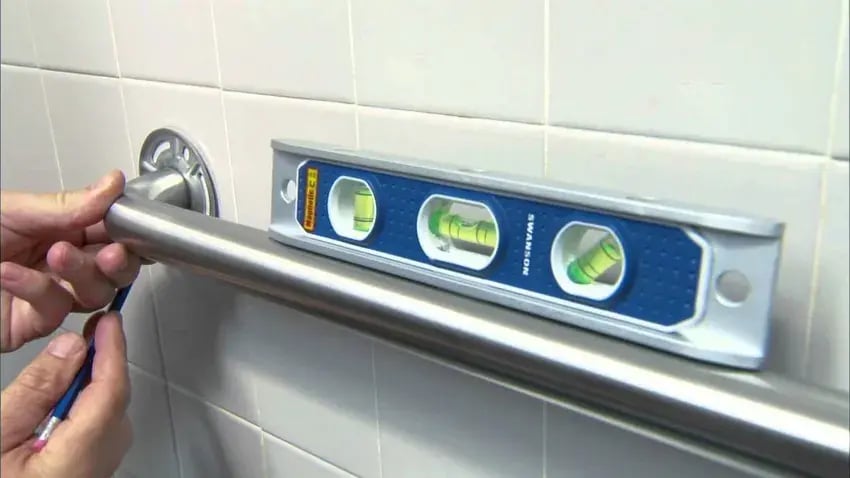
From our experience working with homeowners during bathroom remodels, the biggest issue isn’t choosing the wrong grab bar. It’s installing the right one incorrectly or placing it where your body doesn’t naturally reach. That’s where most failures happen.
This is the part most homeowners underestimate.
Installation isn’t secondary. It’s everything.
This topic is so important to consider that the Department of Housing and Urban Development (HUD) dedicates an entire section of its Fair Housing Act Design Manual to the subject of proper grab bar installation. It explicitly recommends installing blocking into studs and states that fiberglass/acrylic panels and thin wall materials cannot support grab bars on their own.
Proper installation includes:
1. Correct placement
- Entry/exit support
- In-shower stability
- Tub transfers
2. Structural anchoring
- Must hit studs or blocking
- Drywall anchors are not sufficient for fall protection
- They may hold static weight, but can fail under sudden force during a slip
3. Safe tile drilling
- Requires the right tools and technique
4. Sealing
- Prevents long-term moisture damage
5. Load testing
- No movement allowed; zero
- If a grab bar moves, even slightly, it should not be trusted.
Most manufacturer guidelines and building safety standards recommend installing grab bars into wall studs or reinforced blocking, as drywall anchors alone are not designed to withstand the dynamic force of a fall.
What Does Professional Installation Cost?
In 2026:
- $200–$350 per grab bar installed
- Lower cost per bar when installing multiple
For context, according to the NCOA and CDC, the average cost of a fall-related hospital visit can exceed $18,000, making preventative upgrades like grab bars one of the most cost-effective safety improvements.
A grab bar installation is about 1–2% of that cost.
How Much Weight Can a Grab Bar Really Hold?
Three factors determine real capacity:
- The bar itself
- The fasteners
- The wall structure
Installed correctly:
- Most quality bars support 250–500 lbs
But falls involve dynamic force, which is often far greater than body weight.
For most homeowners:
- 500 lb-rated bars installed into studs are the safest standard
If you’re planning a full remodel, you may also want to explore our guides on bathroom remodeling costs in Colorado and walk-in shower safety upgrades to better understand how grab bars fit into a complete safety plan.
The Most Common Grab Bar Mistakes (And Why They Matter)
These are the issues professionals see most often:
- Installing into drywall instead of structure
- Choosing smooth bars in high-risk environments
- Placing bars where they look good AND not where they’re needed
- Relying on suction bars for real support
- Installing only after a fall instead of before
None of these are complicated mistakes.
But each one can completely eliminate the benefit of having a grab bar in the first place.
The Real Pros and Cons
What Grab Bars Do Well
- Create a reliable point of support during slips or loss of balance
- Support independence
- Help caregivers
- Offer high ROI
- Last for years
Where They Fall Short
- Poor installation = failure
- Incorrect placement can increase risk
- Aesthetic resistance still exists
- Require occasional inspection
The #1 Mistake Homeowners Make
Most people focus on the grab bar itself and completely overlook the installation. But here’s the reality:
A high-quality grab bar installed incorrectly is worse than no grab bar at all.
Why?
Because it creates false confidence.
If it isn’t anchored into real structure, or placed where your body naturally reaches, it won’t be there for you when it matters most.
And at that moment, there’s no second chance to correct it.
The Bigger Picture: Grab Bars Are Part of a System
We’d be remiss not to point out that no single product prevents falls. The best protection you can have in your home and bathroom is when you have a proper system in place, with all parts working together cohesively.
The safest bathrooms combine:
- Grab bars
- Non-slip surfaces
- Shower seating
- Handheld showerheads
- Proper lighting
- Comfort-height toilets
Each solves a different part of the problem.
Together, they change outcomes.
Want to learn which shower pans are considered the safest and the best at preventing slips/falls? Then read our article What Is the Safest Shower Flooring? 5 Options That Prevent Falls
When Should You Install Grab Bars?
Most people wait until:
- After a fall
- After surgery
- After mobility changes
That’s the reactive approach. The data supports a proactive one.
Because:
- One fall doubles your risk of another
- The first fall often starts a chain reaction
Installing grab bars early isn’t about limitation. It’s about control.
Why This Matters More Than Most Home Upgrades
Most home upgrades improve comfort or appearance. This one changes outcomes.
Because when a slip happens, you don’t have time to think. You’re forced to react instinctively, in a fraction of a second, without planning or control.
And what you reach for in that moment determines what happens next.
If there’s nothing secure within reach, or worse, something that looks stable but isn’t, the result is often a fall. But when there’s a properly placed, structurally anchored grab bar exactly where your body expects it to be, that same moment ends differently. You stabilize. You recover. You move on.
That’s the difference. Not over time, but in a single second when it matters most.

Not Sure What Your Bathroom Actually Needs?
Most homeowners get one thing wrong: placement.
They think “what’s the difference of a few inches, or if it’s a little lower or higher?” And that’s the difference between something that helps, and something that fails when you need it.
If you want to get this right the first time, we can help you:
• Identify exactly where grab bars should go based on your layout
• Recommend the right type for how you actually move
• Ensure everything is installed into real structural support
No pressure. No sales pitch.
Just a clear plan so you know your bathroom is actually safe and not just “looks” safe.
👉 Schedule a free safety walkthrough or design consultation
Quick Answer: What Most Homeowners Should Do?
If you want the safest, most effective setup, here are the most important takeaways:
• Choose a 500 lb-rated stainless steel grab bar
• Install it into wall studs (never drywall alone)
• Use horizontal or angled placement inside the shower
• Add a vertical bar at entry points if needed
• Prioritize grip and placement over brand
This setup solves the majority of real-world fall risks in a bathroom.
Even a short walkthrough can prevent a mistake that leads to a serious fall, or thousands in medical and repair costs.
Final Thought: This Is a Simple Upgrade That Solves a Real Problem
The bathroom is the highest-risk room in your home.
Grab bars, when chosen correctly, placed properly, and installed into real structural support, are one of the simplest ways to reduce that risk.
They don’t require ongoing maintenance.
They don’t wear out quickly.
They’re there every day,whether you think about them or not.
And most importantly:
They help you stay in control of your space, your safety, and your independence.
That’s why the best time to install them isn’t after a fall. It’s before your bathroom ever gives you the chance.
Frequently Asked Questions About Grab Bars
1. What is the safest grab bar for a shower?
The safest grab bar is a stainless steel bar rated for at least 500 lbs, securely mounted into wall studs, and positioned where your body naturally reaches during movement.
2. Are suction grab bars safe for preventing falls?
No. Suction grab bars are not safe for full body weight support and can detach unexpectedly. They are only suitable for light balance assistance.
3. Where should grab bars be placed in a shower?
Grab bars should be placed:
- Horizontally inside the shower for stability
- Vertically near entry points
- Within natural arm’s reach (not behind or too far away)
4. What is the best grab bar brand for long-term use?
Moen is widely considered the best overall due to durability, installation flexibility, and consistent performance, though the best choice depends on your needs.
5. How much weight should a grab bar support?
At minimum, 250 lbs (ADA standard), but 500 lbs is recommended to account for dynamic force during slips or falls.
6. Do grab bars actually prevent falls?
Yes. Studies show grab bars can increase balance recovery rates by over 75%, significantly reducing fall risk when properly installed.
Topics: