
If you're planning a bathroom remodel in Colorado, there’s one question you should be asking before anything else:
“What could go wrong, and what would it cost me if it does?”
Most bathroom remodel articles will tell you what to buy, what colors to choose, and which trends are "in" this year.
This isn't that article.
This is the article that shows you where homeowners get burned, what those mistakes actually cost in Colorado, and how to avoid paying for the same remodel twice.
The good news: every mistake you're about to read is completely preventable if you know what to look for before the project starts.
Because here's the truth: a bathroom remodel is one of the best investments a Colorado homeowner can make. Denver midrange bathroom remodels are delivering an average ROI of 74.8% — that's 7% higher than the national average.
Recent data from the National Association of Realtors® backs up what many homeowners are already seeing: expectations have changed. In fact, 35% of Realtors® report increased buyer demand for updated bathrooms, while nearly half of buyers (46%) say they’re less willing to compromise on a home’s condition.
In a slower market, that shift isn’t just interesting, it’s critical. Homes that feel dated or need obvious upgrades are more likely to sit, while move-in-ready spaces (especially bathrooms) stand out and sell faster.
But only if the job is done right.
If it isn't, you're not just losing the original investment. You're paying for it again, while living through a bathroom that's failing, smells musty, or is quietly growing mold behind walls you can't see. The combined cost of the five mistakes in this article runs $12,000–$31,000+ in documented Colorado repair costs, on top of whatever the original remodel cost.
This article is written in the spirit of radical transparency: to help you protect yourself, ask the right questions, and make smart decisions before the demo crew shows up. Whether you hire HomePride Bath or someone else, you deserve to go into this process with eyes wide open.
Here are the five most expensive bathroom remodeling mistakes Colorado homeowners make. and exactly how to avoid them.
Who This Article Is For
This guide is for Colorado homeowners who:
- Are planning a bathroom remodel in the next 3–12 months
- Want to avoid costly mistakes and hidden risks
- Are comparing contractors, materials, or quotes
- Care about long-term value, not just upfront price
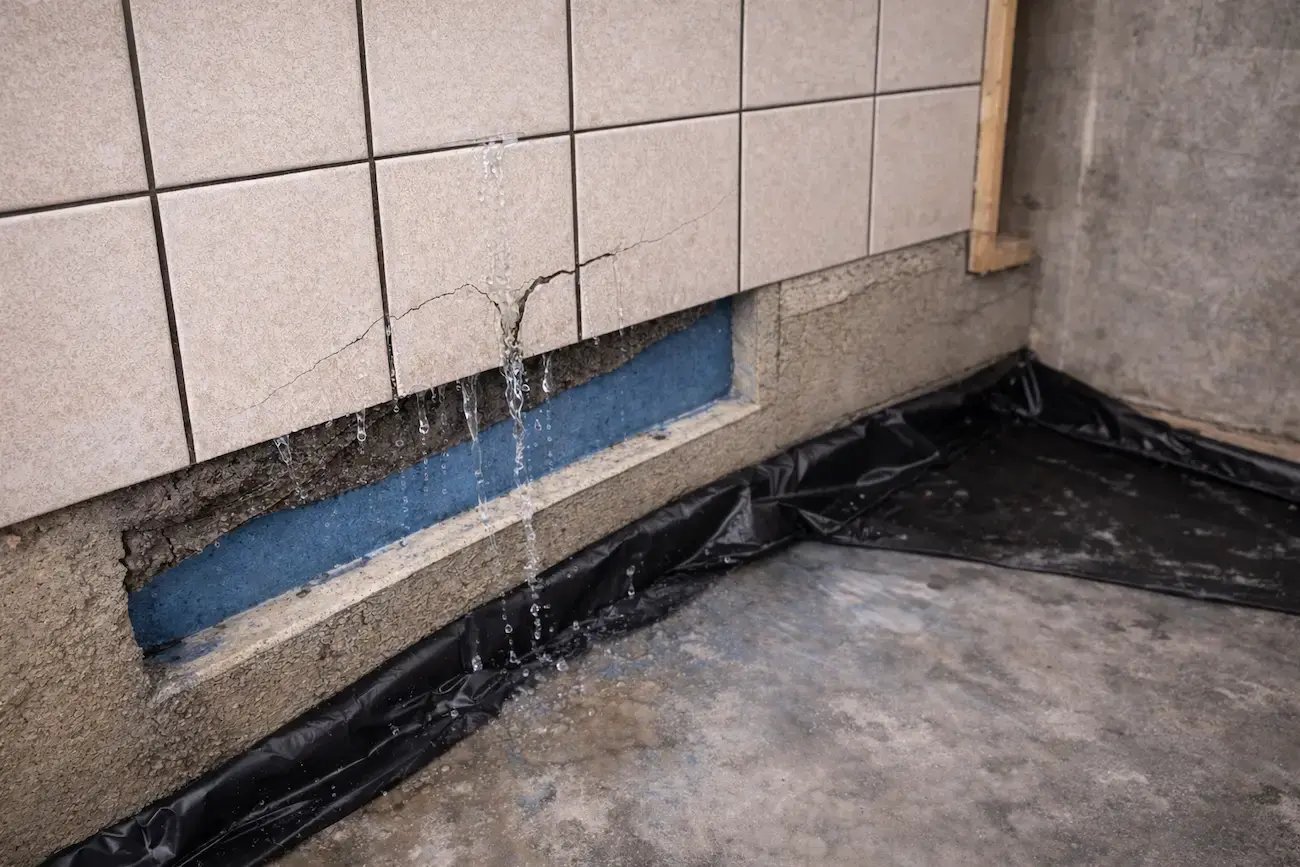
Mistake #1: Skipping or Cutting Corners on Waterproofing
What is bathroom waterproofing failure?
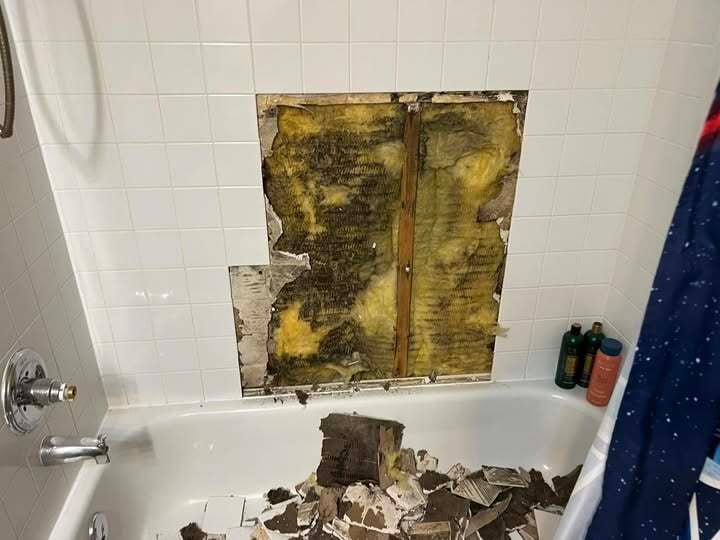
Bathroom waterproofing failure occurs when water penetrates behind tile or wall panels due to improper sealing, leading to mold, rot, and structural damage that often requires A full tear-out.Typical Colorado repair cost if this goes wrong: $8,000–$15,000
Let’s start with the most invisible—and most important—step in any bathroom remodel.
Waterproofing is the foundation of a long-lasting bathroom. It's also the easiest place for a contractor to cut corners, because you will never see it. Once the tile or wall panels go up, what's behind them is hidden for years, sometimes decades, before problems surface.
How do you know if waterproofing is being done correctly?
How the shortcut happens
Some contractors:
- Apply only one coat of liquid membrane instead of two
- Fail to seal corners or seams properly
- Stop waterproofing too low on shower walls
- Use cheap, quick-dry products not designed for long-term moisture exposure
Everything looks perfect on day one. The tile is flawless. The grout is clean. You're thrilled. But the problems begin slowly and quietly, hidden behind what you paid good money to protect.
Why Colorado makes this worse and why the damage takes so long to show up
Colorado’s low humidity creates a false sense of security. But here’s what actually happens inside your shower every day:
- Hot water fills the room with steam
- That warm, moist air hits cold exterior walls
- Condensation forms behind the tile
Over time, that moisture finds even the smallest gap in your waterproofing system—and starts breaking things down from the inside out.
In Colorado's dry climate, water intrusion can take 2–4 years to finally reveal itself. By then, the contractor is long gone and the warranty has typically expired. When the damage does surface, it usually starts subtly:
- A faint musty odor in the bathroom
- Grout that seems to be darkening or crumbling
- A soft or slightly spongy feeling when you press on the wall
- Mold forming in corners
- Tiles that sound hollow when tapped
At that point, a full tear-out is almost always required. There are no partial fixes once moisture has penetrated the substrate and wall cavity.
The good news: this is one of the easiest failures to prevent, if the right system is installed correctly from the start.
Typical Colorado repair cost: $8,000–$15,000. And that's before you address any structural damage to the subfloor or wall studs.
According to industry data, proper waterproofing typically adds just 5–10% to a remodel cost, often $500–$2,000.
Compare that to $8,000–$15,000 for a full tear-out and rebuild if it fails. This is where a bathroom remodel either quietly succeeds or quietly fails behind the walls.
What proper waterproofing looks like
Think of a waterproof shower like a chain: every link matters. A professionally built system includes:
- A pre-formed shower base or properly constructed mortar pan
- Two-coat liquid membrane or sheet membrane
- Reinforced corners, niches, and seams
- Waterproofing integrated with the drain assembly
- A full 1–1.5 hour cure time before solid wall panel installation, or a 24-hour cure before tiling
Questions to ask every contractor before you sign:
- "Which waterproofing system do you use — and can you name the brand?" (Look for: Schluter, Wedi, Kerdi, RedGard, Durock.)
- "How many coats do you apply, and what is the cure time?"
- "Do you waterproof at least six feet up the shower walls?"
- "Can you show me photos of completed waterproofing before the wall goes up?"
- "Do you offer a written waterproofing warranty?"
If a contractor can't answer these questions clearly, that's a signal to keep asking, or to keep looking.
Bottom Line
If your contractor can’t clearly explain and show how your shower is being waterproofed before the walls go up, you’re taking on an $8,000–$15,000 risk you’ll never see coming.
Proper waterproofing is invisible when it’s done right, and extremely expensive when it’s not.
Mistake #2: Choosing Tile in Colorado's Hard Water Environment
What causes tile and grout failure in bathrooms?
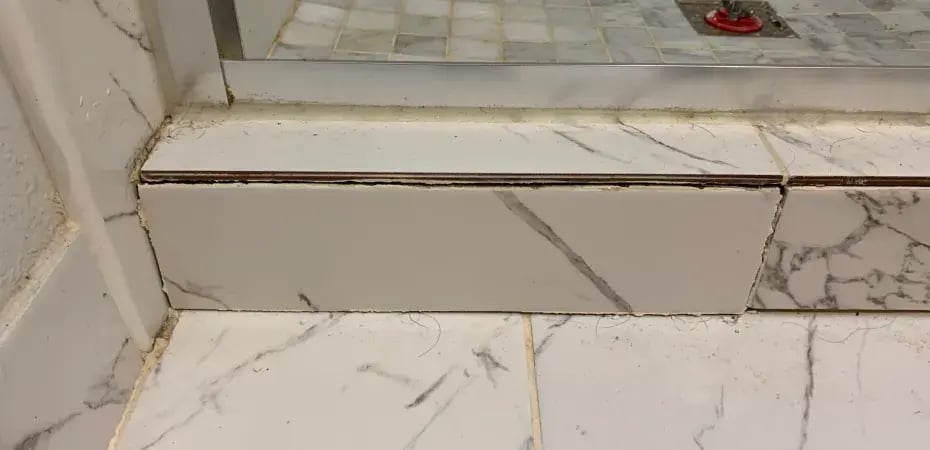
Tile and grout failure happens when porous grout absorbs moisture and minerals over time, leading to staining, cracking, and eventual water intrusion behind the wall system.
Typical Colorado repair cost if this goes wrong: $3,000–$8,000
Tile is beautiful. It's been the default choice for shower walls for generations. But for Colorado homeowners, there is a hidden cost to a tile shower that most people don't discover until they're staring at stained, crumbling grout and wondering why their "new" bathroom already looks old.
That cost is grout maintenance. And in Colorado, it's more expensive and more relentless than anywhere else in the country.
Is tile actually a good choice in Colorado bathrooms?
What hard water does to your grout
Grout is porous. Every time water hits the grout lines in your shower, it doesn't just run off. It seeps into the microscopic pores of the material, carrying with it dissolved calcium, lime, magnesium, and iron from your water supply. When the water evaporates, those minerals stay behind. Over time, they accumulate into chalky white or orange stains that are nearly impossible to clean without professional help.
And here's the part most contractors won't tell you: grout in a high-use shower should be resealed every 6–12 months to maintain its integrity and prevent moisture penetration. According to Angi, professional cleaning and resealing typically costs $150–$800 per visit. Over ten years, that's a maintenance bill of $1,500–$8,000 — just to keep the grout working the way it was supposed to from day one.
The upside: this isn’t a surprise cost. You can eliminate it entirely with the right material choice upfront.
Many homeowners end up spending as much maintaining grout as they would have spent upgrading to a grout-free system from the start..
When grout isn't maintained (and the vast majority of homeowners don't know this is required), it deteriorates. It cracks. It becomes a direct pathway for moisture to reach the substrate behind the tile, leading, eventually, to the waterproofing failure described in Mistake #1.
Why Colorado's water is uniquely hard on tile
According to Denver Water, the Denver metro area's water can be classified as "soft to moderately hard" at approximately 7–10.5 grains of minerals per gallon. But that's just the starting point:
- Highlands Ranch measures 11–13 grains per gallon
- Mountain areas average 14 grains per gallon or higher
Those minerals build up on tile, stain grout, degrade sealant, and accelerate wear at a rate that surprises many homeowners. Especially those who moved to Colorado from states with softer water. What might last a decade with minimal maintenance in a low-mineral region can visibly fail in three to five years across much of Colorado.
Colorado's seasonal fluctuations compound the problem. The dry spells cause grout to crack and become more porous. When winter arrives with snowmelt and freeze-thaw cycles, that cracked grout absorbs moisture it was no longer equipped to resist.
The real cost of tile failure in Colorado
Current Colorado repair pricing (Spring 2026) for tile-related bathroom repairs:
|
Repair Type |
Typical Colorado Cost |
|
Grout repair |
$600–$1,200 |
|
Full wall re-tiling |
$3,000–$6,500 |
|
Waterproofing and sealant add-on |
$1,500–$3,000 |
|
Complete bathroom re-tiling |
$4,500–$8,000 |
|
Full bathroom tile renovation (Denver County) |
$4,000–$8,500 |
Beyond the dollar cost, deteriorating tile and grout is a visible red flag to appraisers and buyers. Neglected grout issues can significantly reduce your home's value at resale.
Bottom Line
Tile isn’t the problem, the maintenance is.
If you’re not prepared to clean and reseal grout every 6–12 months, you’re not installing a low-maintenance shower. You’re signing up for ongoing upkeep and potential repairs. Repairing water damage behind shower tiles runs $1,500–$2,000, and complete shower regrouting costs $450–$2,000 depending on shower size and grout type
Mistake #3: Hiring Based on the Lowest Bid or Hiring an Unlicensed Contractor
What is the risk of hiring an unlicensed contractor?
Hiring an unlicensed contractor can result in unpermitted work, failed inspections, legal fines, and costly rework with little to no legal protection for the homeowner.
Typical Colorado consequence if this goes wrong: $500/day in fines, a full project redo, and possible misdemeanor charges
This is the mistake that feels like a win, right up until it becomes the most expensive decision you made. The good news: there are very clear warning signs. If you know what to look for, this mistake is almost entirely avoidable.
How do you know if a contractor’s low bid is actually a red flag?
Multiple bids come in for the same bathroom project. One is significantly lower than the others, maybe $4,000 or $5,000 less. It's tempting to see that as smart shopping. In most cases, it's a warning sign.
Low bids often reflect one or more of the following:
- Unlicensed tradespeople performing permitted work
- No workers' compensation insurance (which means you, the homeowner, may be liable if someone is injured on your property)
- Lower-quality materials substituted after the contract is signed
- Key steps skipped (waterproofing, subfloor inspection, proper cure times) to protect razor-thin margins
None of this shows up in the bid. You only find it later, when something fails, or when the building inspector shows up.
Colorado's contractor licensing reality
Here is something most Colorado homeowners don't know: Colorado has no statewide general contractor licensing requirement. Each municipality — city, county, and jurisdiction — sets its own standards independently. This means a contractor who is "licensed" in one county may not meet the requirements in the next. It also means the state isn't vetting contractors for you. You have to do it yourself.
The plumbing and electrical trades do require state-issued licenses. But general contractor work, including the coordination of a bathroom remodel, is governed locally. That patchwork system creates real risk for homeowners who assume any contractor showing up with a business card is fully credentialed for their area.
What unpermitted work actually costs in Colorado
The consequences of skipping permits, or hiring a contractor who does, are serious and well-documented. Here’s what that can actually look like in Colorado:
- In Denver: Inspectors can red-tag your job site, issue stop-work orders, and double the permit fees the moment unpermitted work is discovered
- Statewide under C.R.S. 30-28-124.5: County officials can fine homeowners $500–$1,000 per violation, plus $100 for every day the issue continues
- In Colorado Springs and some mountain counties: Unpermitted work can be treated as a misdemeanor, punishable by up to 90 days in jail and $500/day in fines
- In Denver: Escalating fines starting at $150 for third inspector visits, with liens filed against your property if you ignore repeated notices
And then there are the insurance and resale consequences. Homeowners insurance policies can deny claims for water damage tied to unpermitted work, leaving you 100% responsible for the repair bill. Unpermitted improvements lower appraisals, narrow your buyer pool at resale, trigger mandatory disclosure requirements under Colorado real estate law, and may expose you to post-sale liability if a future owner discovers issues.
Contracts with unlicensed contractors for permitted work are legally void in Colorado. Meaning homeowners often have little to no legal recourse if the work is done poorly or left unfinished. This is where most “cheap remodel” stories start, and where they usually end up costing the most.
How to protect yourself: the questions that matter
Before signing any contract with a Colorado bathroom contractor, ask:
- "Can you provide documentation of your license and insurance?"
- "Will you pull all required permits for this project and handle the permit process?"
- "Who carries workers' compensation if a crew member is injured on my property?"
- "Can you provide at least three recent Colorado references with contact information?"
- "What is your step-by-step installation timeline, and what cure times do you follow?"
Walk away immediately if a contractor:
- Can't name or document their license
- Asks for more than 30% of the project cost upfront
- Has no written contract, or resists putting things in writing
- Pressures you to start immediately
- Offers a bid dramatically lower than all others
- Becomes defensive or evasive when asked about their process
These aren't small concerns. They're the same warning signs that appear in virtually every Colorado homeowner's "nightmare remodel" story.
What a Well-Done Bathroom Remodel Actually Looks Like
A professionally executed bathroom remodel should include:
- A clearly defined waterproofing system (not just “tile installation”)
- Documented installation steps and cure times
- All required permits pulled and inspections scheduled
- Material specifications listed by brand and model
- A written warranty covering both materials and labor
If any of these are missing, you’re not comparing equal bids—you’re comparing different levels of risk.
Bottom Line
A low bid doesn’t save you money. It usually moves the cost somewhere you can’t see yet.
If a contractor is significantly cheaper than everyone else, you’re not getting a deal—you’re taking on legal, financial, and quality risks that can cost far more later.
Mistake #4: Underestimating Ventilation: Colorado's Quiet Mold Trigger
What causes mold in bathroom remodels?
Mold in bathrooms is typically caused by poor ventilation that allows warm, moist air to condense inside walls and ceilings, creating hidden moisture buildup.
Typical Colorado repair cost if this goes wrong: $750–$3,000
This is one of the most overlooked, and misunderstood, mistakes Colorado homeowners make.
When people think about mold risk, they think about humid climates like Florida, the Gulf Coast, and the Pacific Northwest. Colorado, with its famous sunshine and notoriously dry air, doesn't fit that mental picture. So many homeowners, and some contractors, treat bathroom ventilation as an afterthought.
That's a mistake that costs between $3,000 and $8,000 to fix.
How much ventilation does a bathroom actually need?
The physics of a Colorado bathroom
Bathrooms create their own microclimate, completely independent of the outdoor weather. Here's what happens during every hot shower:
Here’s what happens during every hot shower:
- Steam fills the room
- Warm air rises
- That air hits cold surfaces
- Condensation forms
- Moisture gets trapped
- Mold follows
Colorado's dry indoor air actually makes this worse, not better. Because the air inside a Colorado home is so dry, people tend to take hotter showers and linger longer in the steam. That creates more moisture per shower than someone would generate in a naturally humid climate.
Mountain homes experience the most dramatic version of this problem: cold rooflines, poorly insulated exterior walls at altitude, and sharp temperature contrasts between the warm shower space and the cold wall cavity. The result is faster condensation accumulation and faster mold growth in areas you will never see until finishes start failing.
The good news: ventilation issues are relatively simple to correct during a remodel, and far less expensive than dealing with mold remediation after the fact.
How the shortcut happens
Many contractors cut corners on ventilation because ductwork is labor-intensive and fans are one of the easiest places to save money on a bid. Common shortcuts include:
- Installing an undersized exhaust fan
- Venting the fan into the attic instead of through an exterior wall or roof (a code violation in most Colorado jurisdictions)
- Skipping humidity-sensor switches
- Using flexible vinyl ductwork instead of rigid insulated duct
Warning signs of poor ventilation:
- Mold on ceilings or upper walls
- Peeling paint near the ceiling or above the shower
- A persistent musty smell, especially after showers
- Warped cabinet doors or swollen wood trim
What proper ventilation looks like
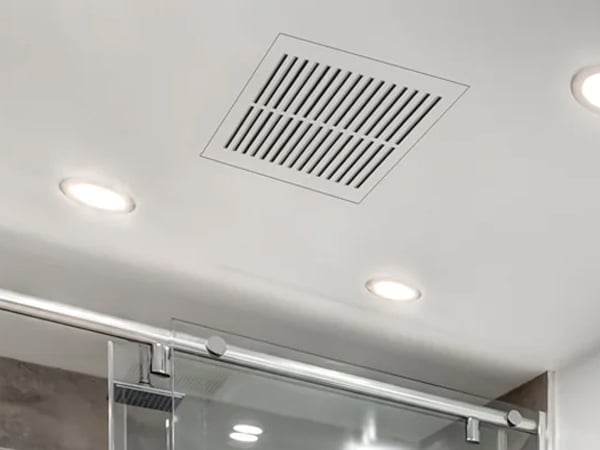
Per the Home Ventilating Institute, bathrooms require a minimum of 1 CFM (cubic feet per minute) per square foot — at least 50 CFM for most standard bathrooms. A properly installed ventilation system includes:
- A fan sized correctly for the bathroom square footage
- Rigid, insulated ductwork (not flexible vinyl)
- Termination through an exterior wall or roof; never into an attic
- Fan noise rating at or below 1.0 sones
- An automatic humidity-control switch that runs the fan when humidity rises, not just when someone remembers to flip a switch
Questions to ask:
- "What CFM fan do you recommend for my bathroom's square footage?"
- "Where does the duct terminate?" (Correct answer: outside the home; never the attic)
- "Is a humidity sensor switch included in the installation?"
- "What type of ductwork do you use: rigid or flexible?"
Bottom Line
Colorado’s dry climate doesn’t protect your bathroom from moisture—it often makes the problem worse.
If your bathroom isn’t properly ventilated, you’re creating the perfect conditions for hidden mold and $3,000–$8,000 in damage, even in one of the driest states in the country.
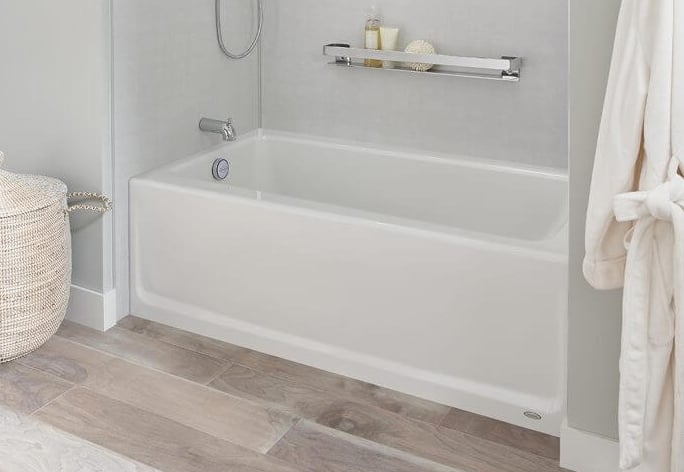
Mistake #5: Removing Your Home's Only Bathtub
Does removing a bathtub hurt home value?
Removing the only bathtub in a home can reduce buyer demand, limit financing options, and lead to lower resale value in family-oriented markets.
Typical cost if this goes wrong: Variable. It can significantly narrow your buyer pool and reduce your negotiating position at resale
This mistake isn’t about what fails during the remodel. It’s about a decision that can cost you later. A decision made before the remodel that you can't easily undo. One that can cost you at the exact moment it matters most: when you sell your home.
Will removing your only bathtub hurt your home’s resale value?
Tub-to-shower conversions are one of the most popular bathroom remodeling decisions in Colorado right now. Walk-in showers are beautiful, practical, and high-demand. In the right circumstances, the conversion is an excellent choice. The mistake isn't the conversion itself. The mistake is converting when the tub being removed is the only bathtub in the home.
Why it matters
The consistent message across real estate professionals, appraisers, and remodeling industry experts in 2026 is this: removing a bathtub doesn't automatically hurt resale value, but removing the last bathtub in the home is a different story.
When a home has no bathtub at all:
- The buyer pool narrows, particularly among families with young children
- The home may be harder to appraise at full value, as appraisers note missing functional features
- Buyers who want a tub may negotiate price reductions to account for the cost of adding one later
- Some lenders restrict financing on homes that lack basic functional features, narrowing your buyer pool to cash-only purchasers in edge cases
As Columbus, Ohio Realtor Billy Fristo (Howard Hanna Real Estate) puts it: "If the home has at least one other bathtub, converting a tub to a shower usually doesn't hurt resale. In fact, if the home already has another full bath with a tub, then converting a tub to a walk-in shower will often improve marketability."
The key phrase is "at least one other bathtub." Keep that condition, and you have flexibility. Eliminate it, and you've introduced a liability.
Why this matters specifically in Colorado
Colorado's housing market is geographically diverse. But family-oriented communities are a major part of the Front Range's buyer landscape. Neighborhoods across Thornton, Highlands Ranch, Parker, Castle Rock, Arvada, and Fort Collins have strong demand from young families who view a bathtub as essential infrastructure, not a design choice.
Removing the only tub in a home in those markets isn't a modern upgrade in buyers' eyes. It's a gap that requires either a discount or a future renovation to address.
The smart move: convert thoughtfully
The right answer isn't "never convert." The right answer is: convert with awareness.
When a tub-to-shower conversion is generally safe for resale:
- The home has at least one additional bathtub elsewhere
- The conversion is high-quality and clearly an upgrade (not a cost-cutting measure)
- The home's likely buyer demographic skews toward adults, empty nesters, or downsizers
When to think twice:
- The tub being converted is the only one in the home
- The home is in a family-oriented neighborhood
- The shower replacing it is entry-level or appears to be a budget swap
Bottom Line
Removing a bathtub isn’t always a mistake, but removing your only bathtub can limit your buyers and cost you at resale.
Before converting, make sure your home still meets the expectations of your future buyer.

What This All Costs: The Real Price of Getting It Wrong
If a Colorado homeowner encounters all five of these mistakes on a single remodel, here is the documented cost exposure based on regional repair data and legal penalty structures:
|
Mistake |
Typical Colorado Cost to Fix |
|
Waterproofing failure (tear-out and rebuild) |
|
|
Tile and grout failure (full replacement) |
|
|
Unlicensed/unpermitted work (fines + redo) |
|
|
Ventilation failure / mold remediation |
|
|
Resale impact from last tub removal |
Variable — reduced buyer pool, potential price concession |
|
Combined financial exposure |
$12,000–$31,000+ |
In other words: the difference between doing a remodel right and doing it wrong in Colorado isn’t a few hundred dollars. It’s often the cost of doing the entire project twice.
That is the downside of a remodel done without the right knowledge. And it's in addition to whatever was originally spent on the project.
The national remodeling industry has a phrase for this: "paying twice." You pay once to remodel, and once more to fix what should have been done right the first time.
Bottom Line
Getting a remodel wrong in Colorado doesn’t cost a little more. It often means paying for the entire project twice. This is where most homeowners get burned.

How to Protect Yourself: Three Non-Negotiables Before You Hire Anyone
If you remember nothing else from this article, remember this: these three steps will protect you from the majority of expensive mistakes, no matter who you hire.
1. Get three or more written bids and understand what's in each one.
Don't just compare bottom-line numbers. Ask each contractor to walk you through their scope of work, the materials they specify, and their waterproofing process. A bid without a documented process is just a number.
2. Verify license, insurance, and references independently.
Ask for the contractor's license number and the municipality it covers. Ask for a certificate of general liability insurance and workers' compensation. Call the references, and specifically ask whether the contractor pulled permits and how they handled any problems that arose.
3. Get everything in writing.
A verbal agreement is not a contract. Your written contract should specify: exact scope of work, materials by brand and model number, payment schedule (no more than 30% upfront), project timeline with milestones, warranty terms, and what happens if permits are denied or unexpected conditions are found.
A contractor who won't put these things in writing is telling you something important.
Bottom Line
If you follow these three steps, you dramatically reduce your risk—regardless of which contractor you choose.
How to Make the Right Decision
Before moving forward with any remodel, ask yourself:
- Do I understand exactly what’s behind the walls—not just what I can see?
- Am I comparing bids based on process—or just price?
- If something fails, who is responsible—and is that in writing?
The answers to those three questions will determine whether your remodel is a success, or an expensive lesson.
A Final Word on Solid Shower Wall Systems
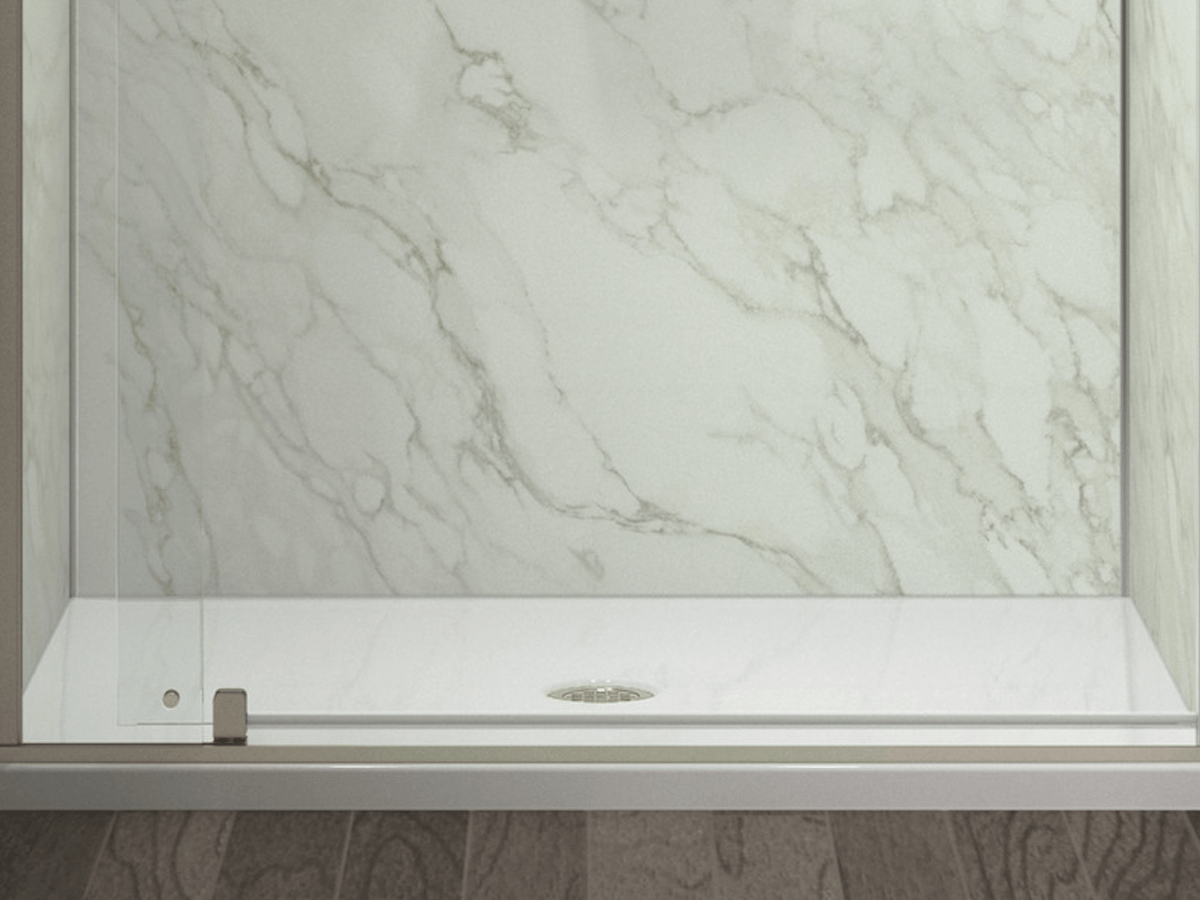
Three of the five mistakes in this article: waterproofing failure, tile and grout deterioration, and mold from moisture intrusion, are either eliminated or significantly reduced when homeowners choose solid wall shower systems like acrylic, Reveal by KOHLER® LuxStone®, Onyx, Samuel Mueller, natural stone and other surface shower panels instead of traditional tile.
That's not a sales pitch. That's how these types of products are designed. A non-porous, seamless, grout-free surface can't absorb moisture, can't harbor mold in grout lines, and doesn't need resealing every six months because there's no grout to seal.
HomePride is Colorado's original certified Kohler dealer, and one of two companies in the state authorized to install Reveal by KOHLER® LuxStone® showers and Walk-In Baths. With more than 2,000 Colorado projects completed since 2019, A+ BBB rating, and a limited lifetime warranty on parts and labor, we are built specifically for Colorado homes and the climate challenges Colorado homeowners face every day.
We offer a free, no-pressure in-home consultation throughout Colorado and Cheyenne, Wyoming, where our team will bring samples, walk through design options, answer every question (including the hard ones), and give you a transparent, all-inclusive quote that's good for a full year.
Your Remodel. Your Investment. Your Protection.
A bathroom remodel done right is a home that works better, looks better, and holds its value. Done wrong, it’s one of the most expensive and frustrating problems a homeowner can face.
The difference comes down to three things: the right materials, the right contractor, and the right questions, asked before the project starts.
If you're thinking about remodeling your bathroom, we hope this article has left you feeling better informed and you family better protected from costly mistakes.
Frequently Asked Questions About Bathroom Remodeling Mistakes
1. What is the most expensive mistake in a bathroom remodel?
The most expensive bathroom remodel mistake is poor waterproofing, which can cost $8,000–$15,000+ to fix. When waterproofing fails, moisture can damage walls, subfloors, and structural elements, often requiring a full tear-out and rebuild.
2. Is tile a bad choice for bathrooms in Colorado?
Tile isn’t a bad choice—but in Colorado, it requires ongoing maintenance due to hard water and dry conditions.
Grout is porous and requires regular cleaning and resealing every 6–12 months. Without that maintenance, homeowners can face $1,500–$8,000 in long-term upkeep or repairs.
Many homeowners choose grout-free alternatives to avoid these ongoing costs.
3. Why do bathroom remodel quotes vary so much?
Bathroom remodel quotes vary because contractors use different materials, processes, and levels of quality.
Lower bids often exclude critical steps or use lower-quality materials, which can lead to costly issues later. A higher quote may reflect a more complete and durable installation process.
4. Do I need permits for a bathroom remodel in Colorado?
Yes, most bathroom remodels in Colorado require permits. Especially if plumbing, electrical, or structural work is involved.
Because Colorado does not have a statewide contractor license, permit requirements vary by city and county. Failing to pull permits can result in:
- Fines (often $500+ per day)
- Stop-work orders
- Issues with insurance claims
- Problems during resale
5. How important is bathroom ventilation in a remodel?
Bathroom ventilation is critical; even in Colorado’s dry climate.
Without proper ventilation, steam from showers can condense inside walls and ceilings, leading to mold, material damage, and air quality issues. Poor ventilation can result in $3,000–$8,000 in repairs.
A properly installed exhaust fan with the correct CFM rating and exterior venting is essential.
6. Should I remove the only bathtub in my home and replace it with a shower?
Removing your only bathtub can negatively impact resale value and limit your buyer pool. Especially in family-oriented areas.
While tub-to-shower conversions are popular, most real estate professionals recommend keeping at least one bathtub in the home to maintain market appeal and flexibility for future buyers.
Topics: