
Imagine a Bathroom That Works for Every Stage of Life
You want a bathroom that’s beautiful, safe, and functional—not just for today, but for the decades ahead. Whether you’re supporting aging parents, raising a family, or simply planning wisely, one design philosophy consistently delivers long-term value without sacrificing style: universal design.
At HomePride Bath, we believe your bathroom should serve you—not limit you. And in Colorado’s competitive housing market, a thoughtfully designed, accessible bathroom doesn’t just improve daily life. It future‑proofs your home.

What Is Universal Design (and What It’s Not)
In short: Universal design is a design approach that creates spaces usable by people of all ages and abilities—without specialized adaptation—by prioritizing safety, flexibility, and intuitive use.
Universal design is about creating spaces that work for everyone, regardless of age, mobility, or ability. It’s not medical. It’s not institutional. And it’s definitely not one‑size‑fits‑all.
Originally defined by architect Ronald Mace, universal design follows seven principles that blend usability with intuitive, elegant design. In a bathroom, those principles translate into practical upgrades that feel intentional—not obvious.
The 7 Principles of Universal Design—Applied to Bathrooms
- Equitable Use: Curbless showers and wide entries that work for all users.
- Flexibility in Use: Adjustable-height showerheads and vanities.
- Simple & Intuitive Use: Single-handle or touchless faucets.
- Perceptible Information: Clear lighting and easy-to-read controls.
- Tolerance for Error: Thermostatic valves and slip-resistant flooring.
- Low Physical Effort: Lever handles and pull-down shelving.
- Size & Space for Use: Layouts that allow easy turning and reach..
When these principles work together, the result doesn’t look “accessible.” It looks well designed.

Why Universal Design Matters More in Colorado
1. An Aging Population Meets a Tight Housing Market
Colorado is aging quickly. By 2030, nearly 1 in 5 residents will be over 60, and multigenerational households have risen sharply since 2010, according to data from the Colorado Health Institute. Meanwhile, 75% of people 50+ want to age in place, according to AARP's 2024 Home and Community Preferences Survey.
Bathrooms designed only for young, able-bodied adults increasingly feel outdated. Universal design keeps homes livable—and desirable—as demographics shift.
Designing for aging in place isn’t a trend. It’s a market reality.
2. Financial Incentives That Offset the Investment
Colorado’s Home Modification Tax Credit offers up to $5,000 for qualifying accessibility upgrades through 2028, as outlined by the Colorado Department of Revenue. When combined with federal incentives for energy‑efficient fixtures, homeowners can meaningfully reduce out‑of‑pocket costs.
More importantly, homes with accessible features consistently command higher resale value—especially in high-demand markets like Denver, Boulder, and Colorado Springs.
3. Style Without Stigma
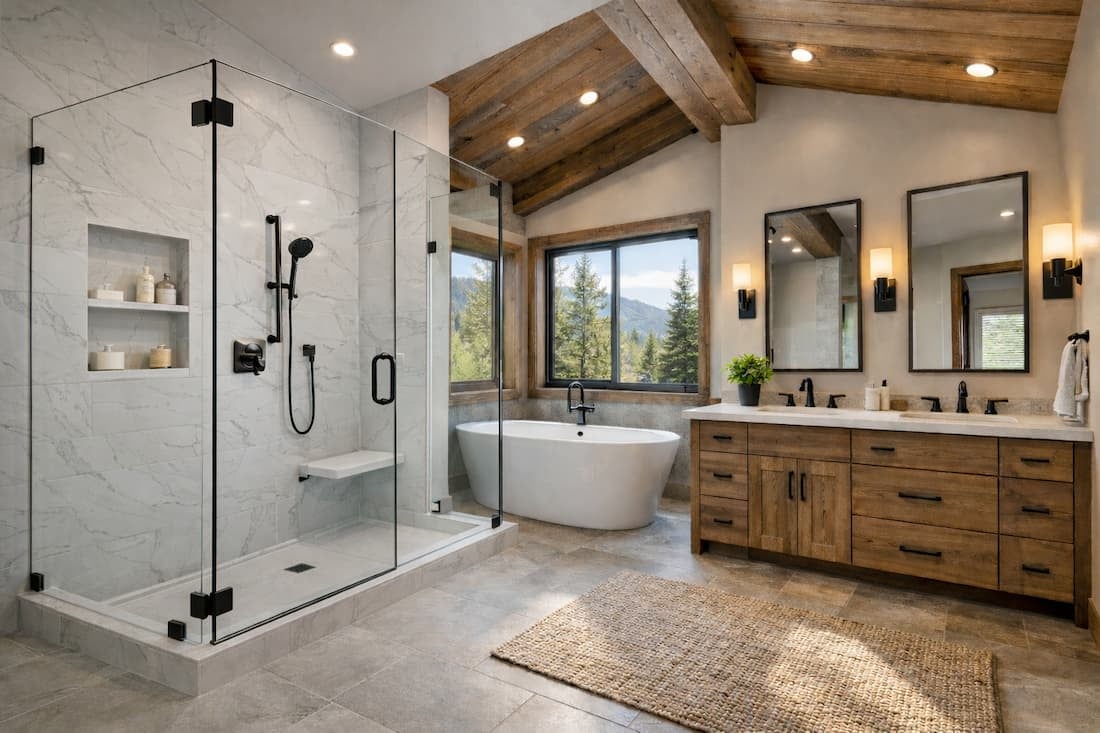
Today’s universal design bathrooms prove that accessibility and luxury can—and should—coexist. Modern accessible spaces are intentionally designed to enhance both usability and aesthetics, without feeling clinical, dated, or compromised.
What defines today’s elevated accessible design?
- Floating vanities and wall-mounted fixtures now anchor contemporary accessible design. As Aqua Therapy notes, these sleek fixtures don’t just look modern—they improve accessibility by providing clearance underneath, allowing wheelchair users to move closer to sinks and toilets.
- Thoughtful finish selections reinforce this high-end feel. Warm metals like champagne bronze, polished nickel, and brushed gold add depth and sophistication, while matte black continues to signal clean, modern design.
- Subtle technology integration plays a quiet but powerful role. Smart mirrors with integrated LED lighting and touchless faucets enhance convenience and accessibility while maintaining a refined, spa-like feel.
Accessibility no longer signals limitation. It signals intention—design choices made with foresight, dignity, and long-term livability in mind.
Everyday Benefits That Add Up
Safety That Doesn’t Feel Medical
Bathroom falls remain one of the leading causes of injury in the home. According to the Centers for Disease Control and Prevention (CDC), most nonfatal bathroom injuries are caused by slips and falls—many occurring in tubs and showers—making thoughtful, safety-forward design one of the most effective ways to reduce risk without sacrificing comfort or style.
Universal design reduces these risks through smart planning
- Curbless showers eliminate step hazards
- Thermostatic valves maintain safe water temperatures
- Motion‑activated lighting improves nighttime visibility
These upgrades protect everyone—from toddlers to aging parents to homeowners recovering from injury.
Convenience for Every User
Adjustable-height vanities (typically 28–34 inches), pull‑down shelving, and reachable storage don’t just improve accessibility—they improve usability. The space adapts to you, not the other way around.
Easier Cleaning, Less Maintenance
Large‑format tile, quartz surfaces, and touchless fixtures mean fewer grout lines, fewer germs, and less scrubbing—ideal for busy households and short‑term rentals alike.
The Real ROI of Universal Design
Immediate Financial Relief
Between state tax credits and federal incentives, homeowners may offset 25–50% of qualifying upgrade costs. Reduced fall risk can also lead to lower insurance premiums—an often-overlooked benefit.
Stronger Resale Performance
Homes with accessible features command significant price premiums in today's market. According to research by Orchard analyzing over 640,000 home sales in Dallas-Fort Worth, homes with accessibility features sold for an average of $378,000 compared to $344,000 for homes without these features—a $34,000 increase in property value. This reflects growing buyer demand for homes designed for aging in place, with features like wider doorways adding an average of $56,000 to home values.
Buyers increasingly prioritize homes they can grow into, not out of.
Aging‑ready homes are in short supply. Universal design helps yours stand out.
Colorado’s Forward‑Thinking Policies
Colorado continues to lead with:
- Building codes that encourage ADA‑aligned layouts
- County‑level property tax abatements for qualifying remodels
- Growing realtor certification in universal design
The market—and the policy landscape—are aligned.
Case Study: A Fort Collins Bathroom That Delivered
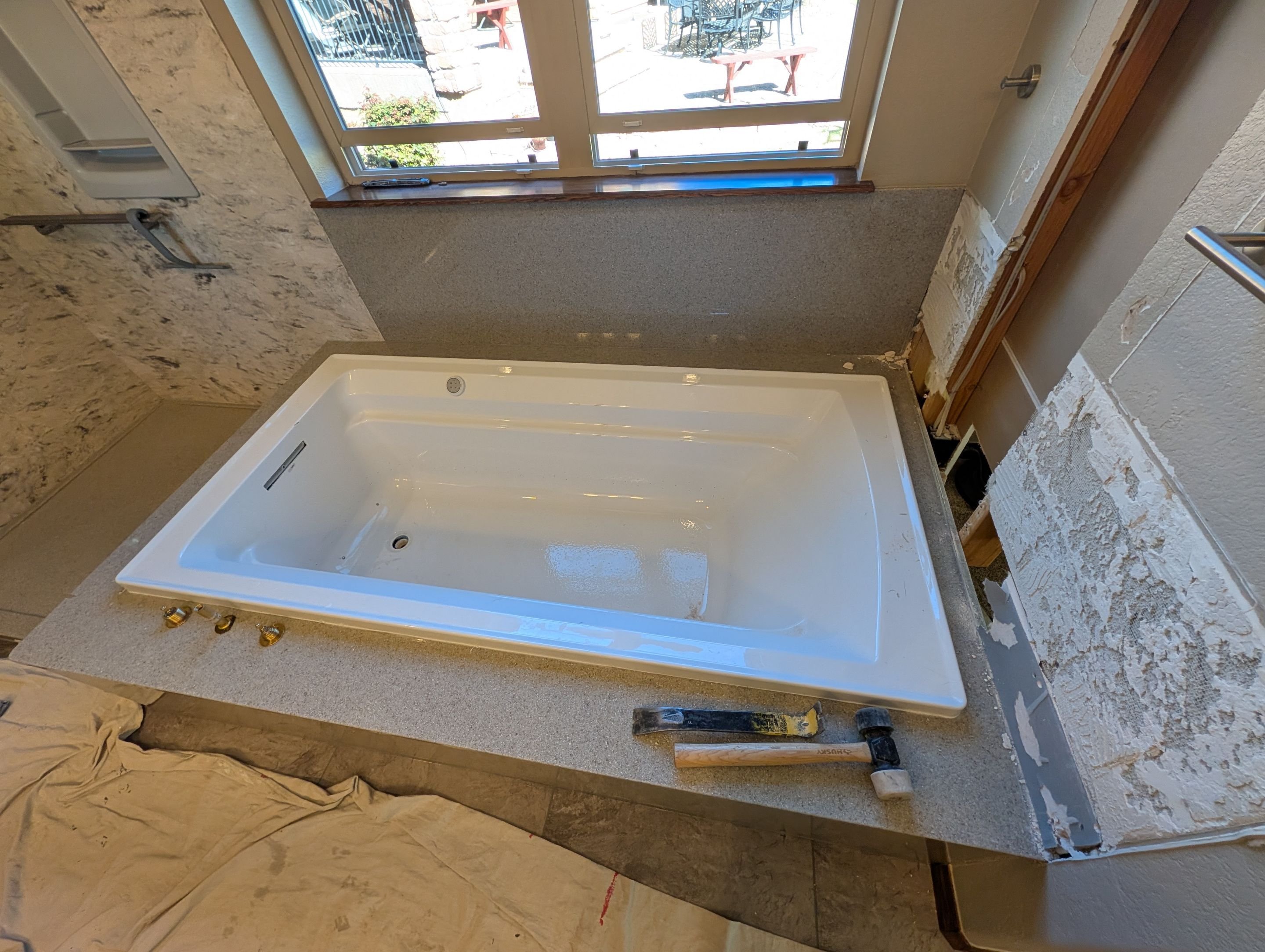
A Colorado homeowner worked with HomePride Bath to create a bathroom designed for aging in place, incorporating universal design principles recommended by accessibility experts.
The Project:
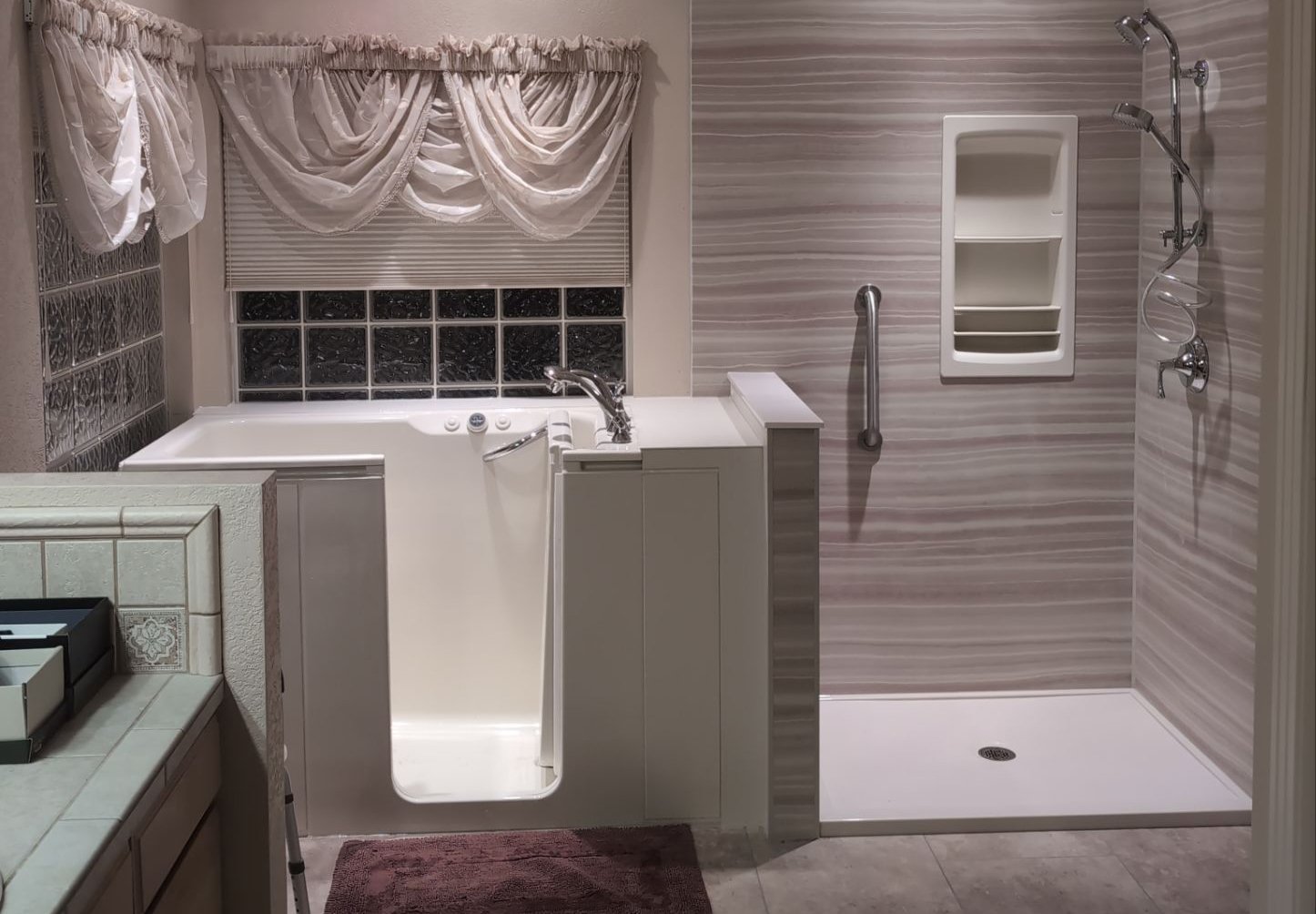
- Walk-in shower with linear drain for barrier-free entry
- Wall-hung vanity providing clearance for wheelchair or seated access
- New shower pans combining comfort with slip-resistant safety
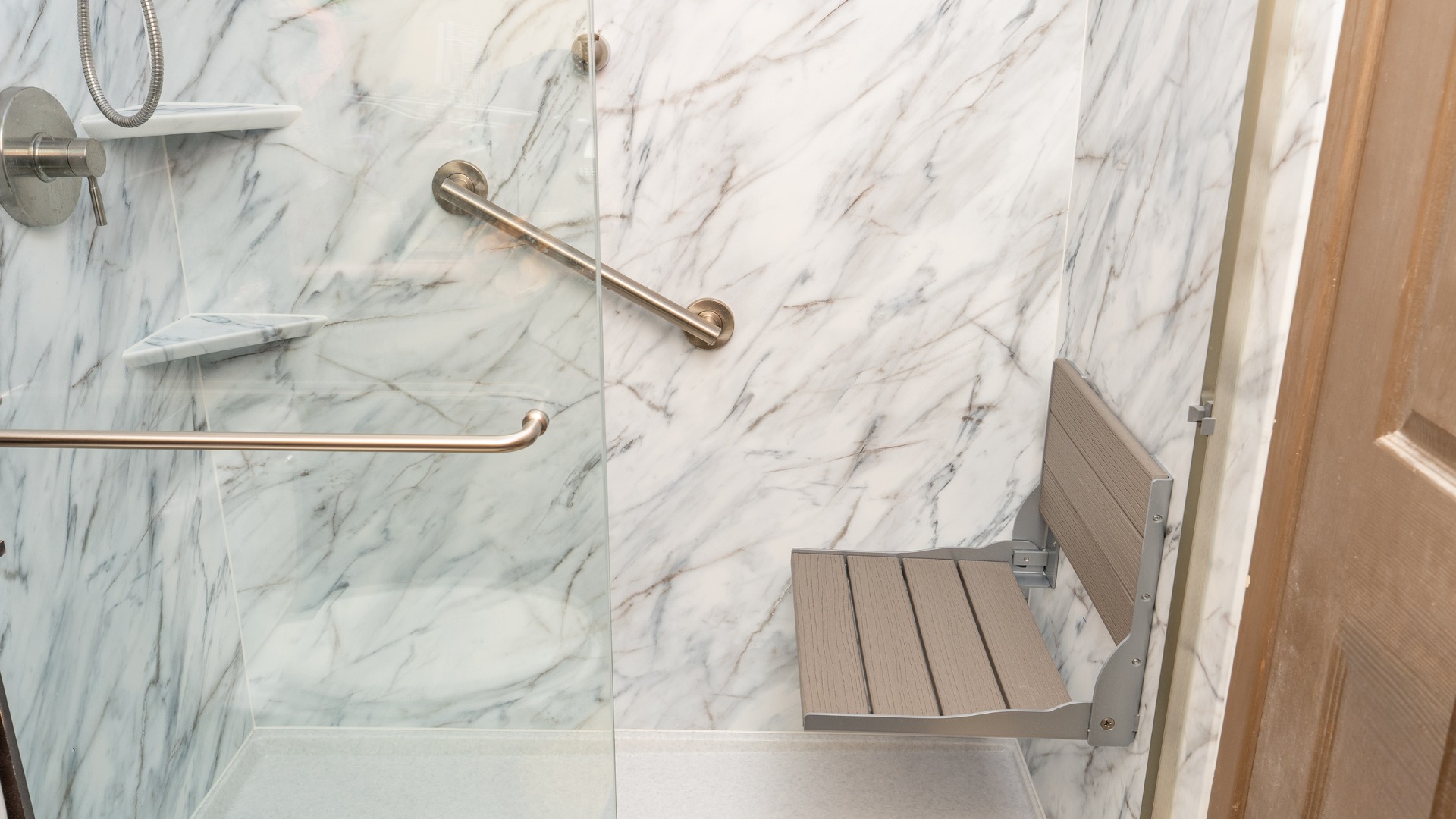
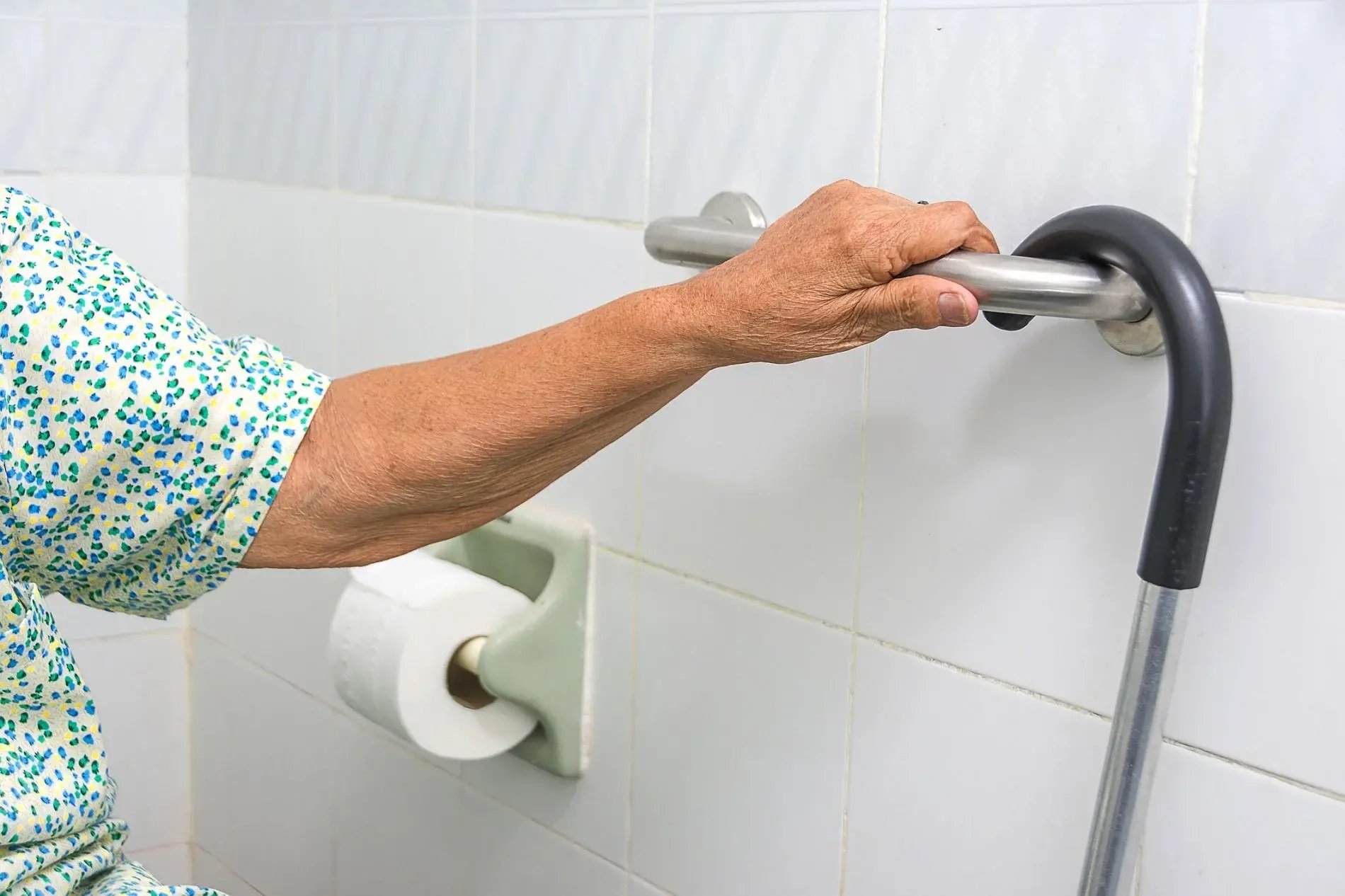
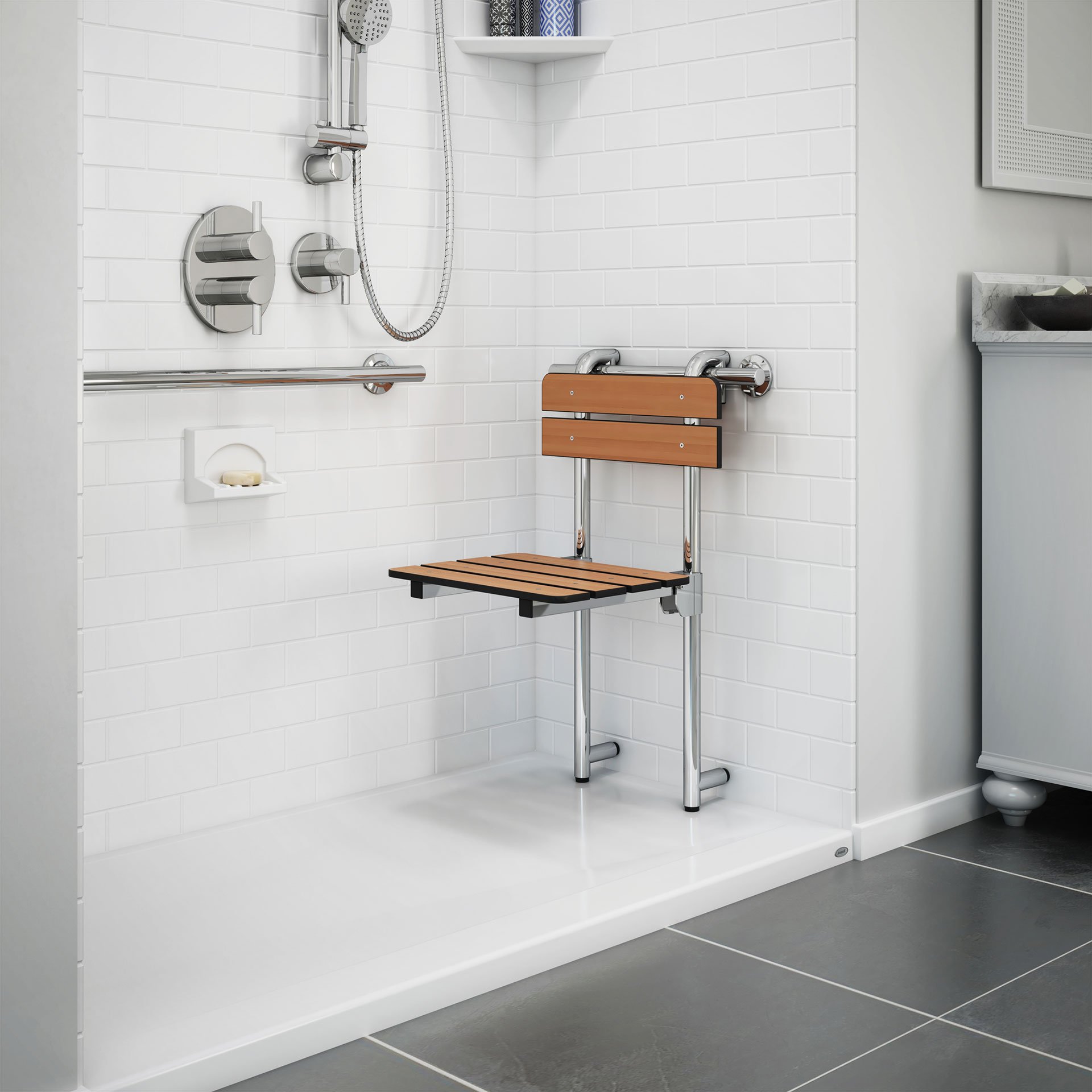
- Grab bars and foldaway shower seat strategically placed for stability
The Impact: Research shows these upgrades deliver measurable value. According to Orchard's analysis, homes with accessibility features command significant price premiums—with features like wider doorways and accessible bathrooms adding thousands to their home’s value. As a Colorado homeowner with a qualifying disability they were eligible for $5,000 in state tax credits through the Colorado Home Modification Tax Credit program, administered by the Division of Housing.
Beyond financial benefits, universal design creates spaces that serve every family member comfortably and safely—from young children to aging parents. The result is a bathroom built not just for today, but for decades of independence.
Key Takeaways
- Universal design improves safety, usability, and resale value.
- Accessible bathrooms no longer sacrifice style or luxury.
- Colorado homeowners may qualify for tax credits and incentives.
- Aging-in-place features increase buyer demand and long-term livability.

A Smarter Way to Plan for the Future
Universal design isn’t about preparing for decline. It’s about designing for life—at every stage.
At HomePride Bath, we guide homeowners through every step, from layout strategy to fixture selection, ensuring your bathroom is as welcoming at 80 as it is at 30.
Ready to Design a Bathroom That Works for You?
You don’t have to sacrifice style for safety—or value for comfort. HomePride Bath helps Colorado homeowners create bathrooms that:
- Look beautiful
- Work for all ages and abilities
- Increase home value
- Qualify for financial incentives
👉 Schedule your free consultation today. No pressure. Just expert guidance, tailored design, and smart solutions for Colorado homes.
🎁 Download our free Universal Design in the Bathroom Guide
Frequently Asked Questions About Universal Design Bathrooms
What is universal design in a bathroom?
Universal design in a bathroom means creating a space that is safe, comfortable, and usable for people of all ages and abilities—without requiring special adaptations or medical-looking features.
Does a universal design bathroom increase home value?
Yes. Homes with accessible, aging-in-place features often sell faster and at higher prices because they appeal to a broader range of buyers, including older adults and multigenerational households.
Is universal design only for seniors or people with disabilities?
No. Universal design benefits everyone—from young children to adults recovering from injury to homeowners planning for long-term independence.
What are the most important universal design bathroom features?
Key features include curbless showers, slip-resistant flooring, adjustable-height fixtures, lever handles, adequate lighting, and layouts that allow easy movement.
Are there tax credits for universal design upgrades in Colorado?
Yes. Colorado homeowners may qualify for the Home Modification Tax Credit for eligible accessibility improvements, along with certain federal incentives.
Topics: