

When a bathroom remodeling company asks that all homeowners and family decision-makers be present for a consultation, many adult children and/or homeowners worry it could be a pressure tactic, especially when aging parents are involved and large financial decisions are at stake. Other times, it may seem as an inconvenience due to busy schedules, with the mindset “I can speak for the both of us”.
This article explains why family involvement can actually serve as a protective measure. It outlines how transparent conversations, shared understanding, and clearly defined processes help reduce the risk of contractor fraud, rushed decisions, and misunderstandings—while supporting older adults’ safety, independence, and dignity.
You’ll learn how reputable remodelers structure consultations, why saying “no” is always an option, and how bathroom safety upgrades can often reduce fall risk and delay more costly care decisions. The goal isn’t to push a remodel, but to help families make informed, confident choices—together and without pressure.
Why Families Worry About Bathroom Remodeling Consultations
If you’re an adult child reading this, we want to start by saying this clearly:
Your concerns are valid. And we want you there.

When HomePride Bath asks that all homeowners—spouses and often adult children—be present for a bathroom design consultation and any contract decisions, it’s not a sales tactic. It’s a protection strategy.
We understand why that request can raise eyebrows. Large-ticket home improvements—especially projects in the $15,000–$30,000 range—can trigger very real fears about contractor fraud, rushed decisions, or parents being pressured into something they don’t fully understand. Those fears aren’t hypothetical.
Nationally, elder financial abuse costs older Americans between $2.6 billion and $36.5 billion every year, and roughly 12% of that abuse is committed by businesses, including bad-actor contractors. As a result, families have needed to become more skeptical, discerning, and alert in order to protect their loved ones.
So let’s name the elephants in the room:
“Are we or our loved ones being pressured or taken advantage of?”
Our answer is simple:
No. We’re asking because transparency protects everyone—especially your parents.
One thing we want to state plainly—because too many families have learned the opposite elsewhere—is this:
You or they are always allowed to say no.
How a Bathroom Remodeling Consultation Works (Step by Step)
When families invite us into this conversation, the goal isn’t to move fast—it’s to get clear.
Here’s what a HomePride consultation looks like in practice:
- We listen first.
We start by understanding what’s changed, what feels unsafe, and what concerns brought you to reach out. - We explain realistic options.
That includes safety upgrades, product choices, budget ranges, timelines, and the tradeoffs involved—clearly and without pressure. - Your family decides what happens next.
That decision might be to move forward, to wait, or to do nothing at all. All three outcomes are respected.
There is no obligation to move ahead—and no penalty for taking time to think. At HomePride, our designers will provide you a quote that price locks your project for a full year.
A consultation is simply a shared conversation, designed to give your family clarity.
In fact, we believe good decisions require psychological safety. That means parents and adult children alike must feel comfortable slowing the conversation down, asking difficult questions, or deciding that now is not the right time. A clear, confident “no” is just as respected as a “yes.”
Our role is not to push a decision—it’s to make sure that if a decision is made, it’s made with clarity, shared understanding, and no regrets later.
Common Concerns About Bathroom Remodeling for Seniors
Elder Financial Exploitation Is Real
Home repair scams are one of the most common forms of elder fraud reported to the FBI and Department of Justice. They often follow familiar patterns:
- High-pressure, same-day “discounts”
- Large upfront payment demands
- Vague scopes of work that change mid-project
- Contractors who discourage family involvement
Adult children are right to be cautious.
According to the National Council on Aging, estimates of elder financial abuse and fraud costs to older Americans range from $2.6 billion to $36.5 billion annually, with 12% committed by businesses, including unscrupulous contractors.
Cognitive Decline and Decision Vulnerability
Medical research estimates that 10–20% of adults age 65+ experience mild cognitive impairment. That doesn’t mean they’re incapable of making decisions—but it does mean they can be more vulnerable to complex contracts, fast-talking salespeople, or unclear financial terms.
Add isolation to the mix, and risk increases.
It’s no surprise that 66% of adult children say they consider caregiving for aging parents their responsibility. Wanting to review contracts, ask questions, and slow things down isn’t interference—it’s love.
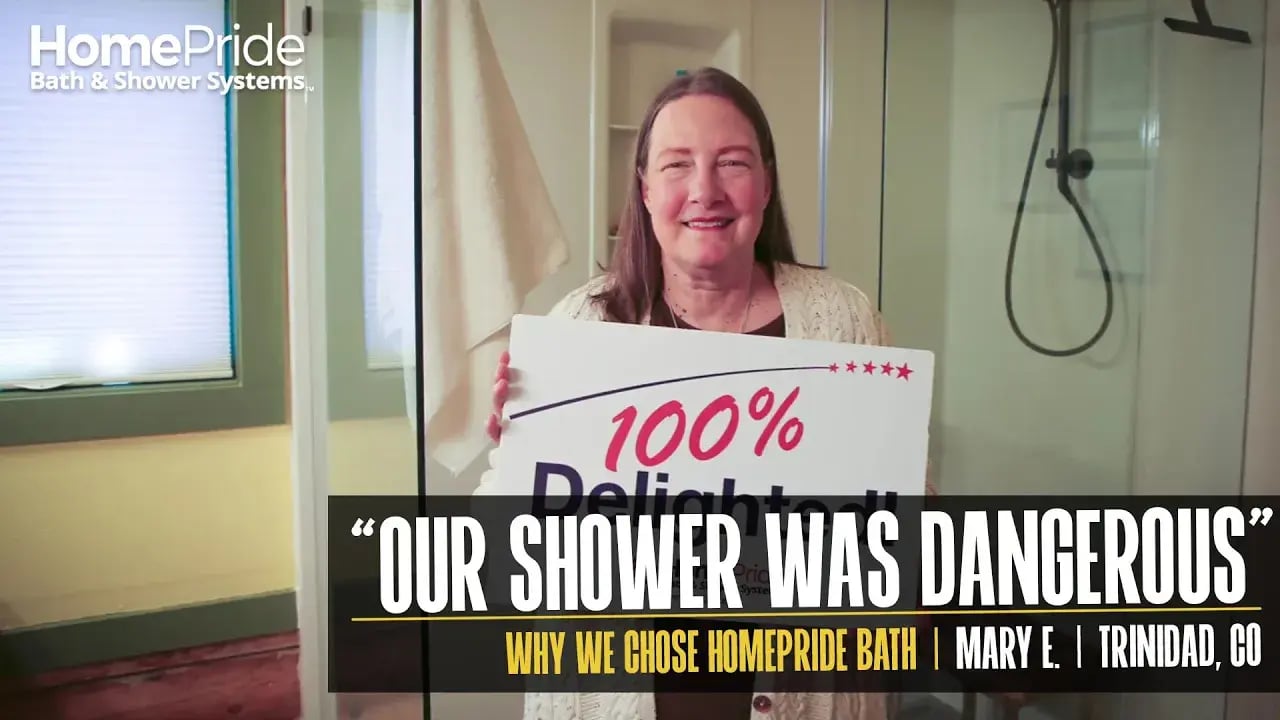
▶️ Watch this testimonial from a Fraud Prevention Specialist who explains why she trusted and chose HomePride for her remodel
Why Reputable Remodelers Ask All Decision-Makers to Be Present
Most families don’t contact HomePride because they’re casually shopping for a new bathroom.
They reach out because something has changed.
A fall. Or a near miss. Difficulty stepping over a tub wall. Fear of slipping on wet surfaces. A growing realization that a space that once worked no longer feels safe.
By the time families invite us into this conversation, the concern already exists. Our role is not to create fear—it’s to help families evaluate risk clearly and decide what, if anything, should happen next.
Because safety, finances, and long-term living plans intersect here, decisions made in isolation create unnecessary risk. Not because anyone has bad intentions—but because important details are easy to misunderstand when only one person hears them.
That’s why, when possible, we ask that all homeowners and key family decision-makers be present. It’s not a sales requirement. It’s a safeguard.
Here’s how it protects families:
1. Legal and Financial Clarity
From a legal standpoint, all homeowners must sign a remodeling contract for it to be enforceable. When everyone hears the same information, reviews the same documents, and signs the same agreement, no one is left exposed or confused later.
2. Preventing the “Telephone Game”
When one person attends a consultation and relays details later, critical information gets lost—product limitations, timelines, exclusions, and maintenance requirements. We’ve seen family conflict arise not from bad faith, but from filtered information.
Having everyone present eliminates that risk.
3. Shared, Informed Decision-Making
During a HomePride consultation, we review safety concerns, product options, budget ranges, financing, and timelines together. Seeing options in person and asking questions as a group builds alignment—and confidence.
How Trusted Remodelers Protect Families from Pressure and Fraud
Many families arrive cautious—and they should.
Contractor fraud, pressure tactics, and vague promises are real risks, especially when seniors are involved. Rather than asking families to “trust us,” we’ve designed our process to remove the most common warning signs.
Here’s what that looks like in practice:
✅ Transparency Over Pressure
Concern: High-pressure sales tactics
Our approach:
• Written contracts provided for review
• No forced same-day decisions
• Clear explanation of Colorado’s 3-day right to cancel
✅ Fair, Structured Payments
Concern: Large upfront payment demands
Our approach:
• Payments tied to milestones—not promises
• No demand for full payment upfront
✅ Verified Credentials
Concern: Unlicensed or fraudulent contractors
Our approach:
• Licensed, bonded, and insured
• Credentials available for verification
• Colorado’s original certified KOHLER dealer
✅ Clear Scope of Work
Concern: Surprise fees or scope creep
Our approach:
• Detailed contracts listing brands, models, and materials
• Defined timelines
• Written change-order process—no blank spaces
✅ Quality Guarantees
Concern: Substandard workmanship
Our approach:
• Manufacturer warranties
• Workmanship guarantees
• Post-installation walkthroughs and support
With 2,000+ reviews averaging 4.6 stars, families don’t have to take our word for it. We encourage every family to read reviews, verify credentials, and compare us against any contractor they’re considering.
Transparency isn’t something we claim—it’s something we invite scrutiny around.
Why Aging in Place Matters for Senior Safety and Independence
Before talking about cost, it’s worth understanding why so many older adults want to stay in their homes.
For many families, the push toward assisted living doesn’t begin with a medical diagnosis—it begins with fear. Fear of falls. Fear of slipping in the shower. Fear that the bathroom has become unsafe.
What often gets overlooked is what the home itself represents.
Familiarity Is a Form of Safety
As we age, familiarity reduces stress. Knowing the layout of the home, the light patterns, and daily routines lowers cognitive load in ways that don’t show up on a checklist—but matter deeply.
Moving into a facility means relearning everything at once: new layouts, new routines, new sounds, new rules. Even high-quality facilities can feel disorienting when the move is driven primarily by fall risk rather than medical necessity.
Homes Hold Identity—not Just Memories
A home isn’t just a structure. It’s where life happened. Holidays, milestones, loss, and daily rituals are tied to specific spaces. Removing someone from that environment can feel like losing part of themselves.
Possessions Represent Continuity
In many senior living environments, residents must drastically reduce what they keep. For older adults, possessions aren’t clutter—they’re continuity. Staying home preserves control, ownership, and dignity.
When the Bathroom Is the Real Problem
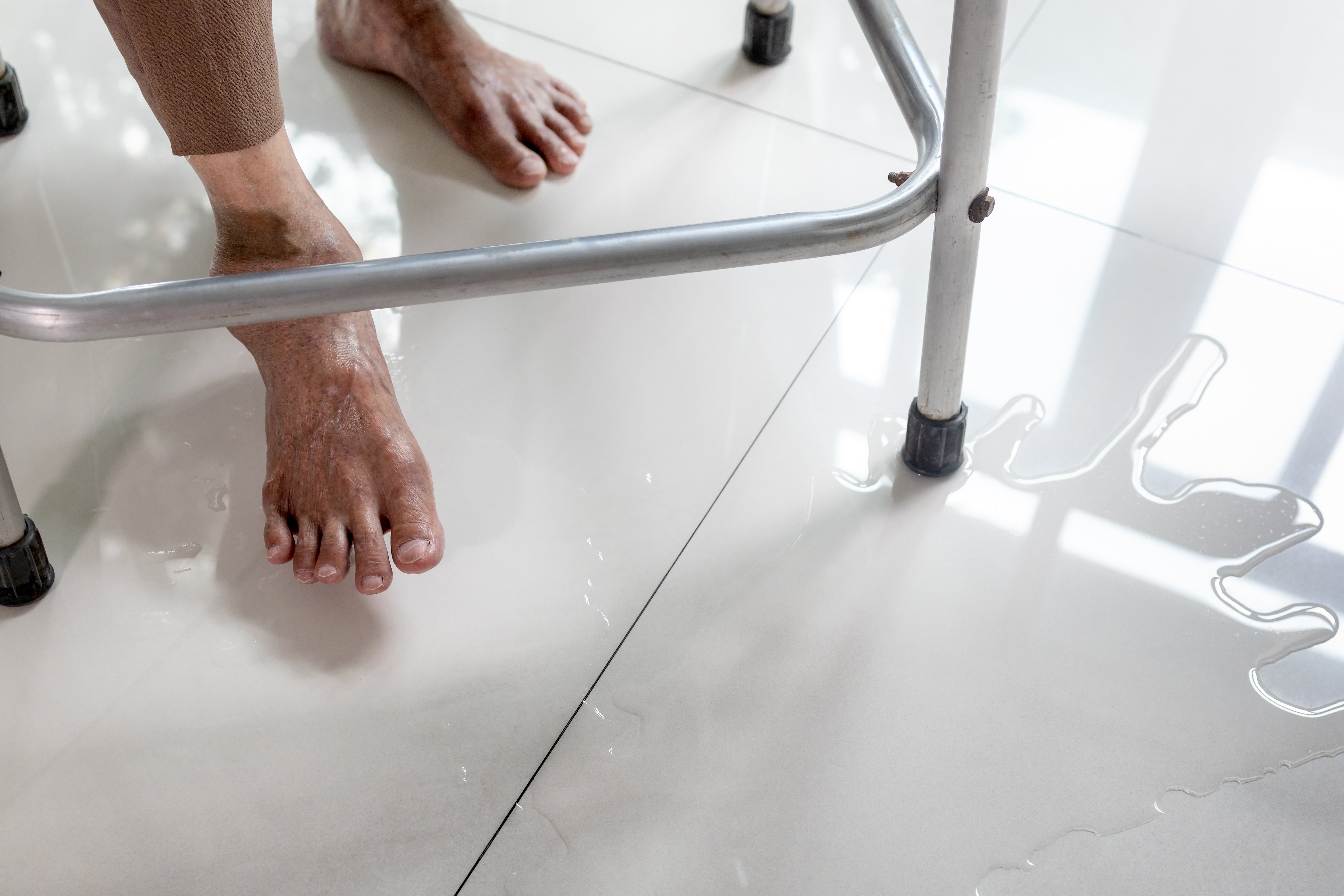
Statistically, most in-home falls occur in bathrooms—during transfers, on wet surfaces, or stepping over thresholds. In many cases, the rest of the home functions well.
Targeted bathroom upgrades can reduce risk in the most dangerous room of the house—without uprooting someone’s entire life.
Is a Bathroom Remodel Cheaper Than Assisted Living?
This is the part many families don’t initially consider.
A typical senior-focused bathroom remodel may range from $15,000–$25,000, depending on scope.
That’s often a one-time investment designed to reduce fall risk in the single area of the home where most accidents occur.
Now compare that to just one year of senior living costs in Colorado—often triggered not by medical necessity, but by fear of bathroom-related accidents.
What Senior Care Actually Costs in Colorado (Per Month)
While costs vary by provider and level of care, average monthly assisted living rates in Colorado communities typically fall in these ranges:
- Colorado Springs: ~$5,000/month (~$60,000/year)
- Fort Collins: ~$5,400/month (~$65,000/year)
- Pueblo: ~$3,500–$4,200/month (~$42,000–$50,000/year)
- Aurora (Denver Metro): ~$5,000/month (~$60,000/year)
- Boulder: ~$4,600–$5,200/month (~$55,000–$62,000/year)
- Denver: ~$4,000–$5,000/month (~$48,000–$60,000/year)
And those figures typically reflect assisted living, not higher levels of care.
As Care Needs Increase, So Do Costs
- Independent Living: ~$36,000–$48,000/year
- Assisted Living: ~$54,000–$72,000/year
- Memory Care: ~$78,000–$96,000+ per year
- Skilled Nursing: $100,000+ annually
A single fall—especially one involving the bathtub or shower—can rapidly accelerate the move from independent living to assisted living, or from assisted living to skilled care.
A Remodel Isn’t Just a Renovation—It’s a Delay Strategy
When the primary concern is slipping, falling, or getting in and out of the shower safely, relocating someone from their home may be solving the wrong problem.
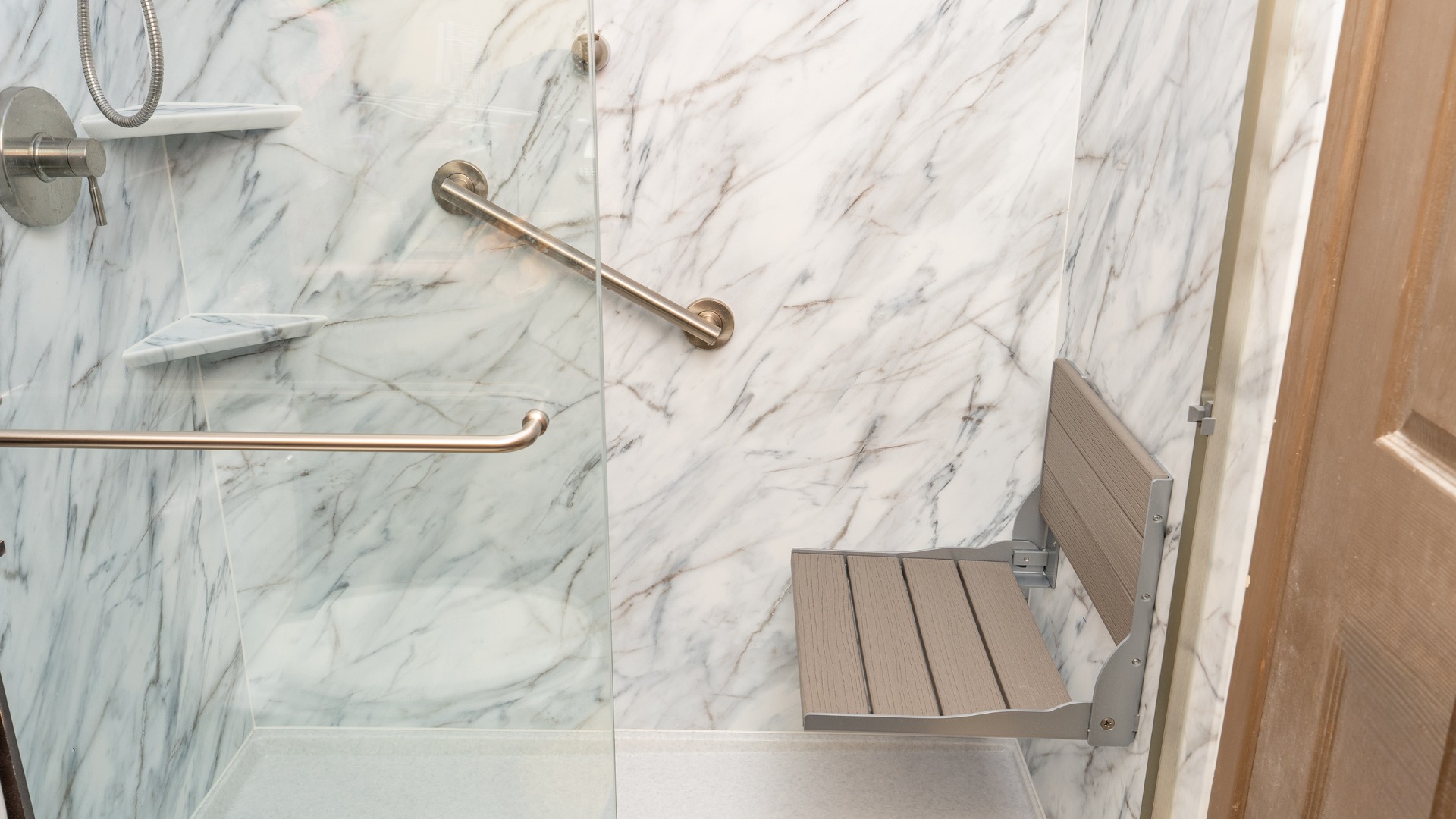
A safer bathroom can:
- Reduce fall risk in the most dangerous room of the home
- Preserve independence and daily routines
- Keep parents in familiar surroundings, close to memories and possessions
In many cases, a bathroom remodel doesn’t just improve safety—it buys time.
Time spent living independently, in a home filled with familiarity, dignity, and control.
That’s not just a financial calculation.
It’s a quality-of-life decision.
How Families Decide Whether a Bathroom Remodel Is Worth It
When families are weighing whether a bathroom remodel is the right step, we encourage them to pause and ask three grounding questions:
- Where is the real risk?
Is the concern isolated to the bathroom—or is the entire home becoming unsafe? - Would reducing that risk change the timeline?
If falls and fear are driving urgency, would a safer bathroom allow your parent to remain independent longer? - Does a one-time upgrade preserve more control than a monthly care cost?
Comparing a single remodel to ongoing facility expenses often reframes the decision.
These questions don’t push families toward a remodel.
They help families decide whether the bathroom is truly the problem they’re trying to solve.

What to Expect During a Bathroom Remodeling Consultation
- Length: 60–90 minutes
- What we review:
- Current bathroom challenges
- Safety and accessibility needs
- Product options and layouts
- What you’ll receive:
- Written estimate
- Detailed scope of work
- Product literature
- Financing options
- References
No obligation. No pressure. Just clarity.
Do All Family Members Need to Attend the Consultation?
It can be inconvenient to have all homeowners present for a consultation. We know.
That’s why we offer:
- Evening and weekend appointments
- Virtual participation for adult children when needed
- Flexible scheduling options
One coordinated conversation now can prevent months—or years—of stress later.
What a Trust-Based Bathroom Remodeling Process Looks Like
Safety isn’t just physical. It’s emotional.
For many older adults, being included in conversations—rather than protected from them—is part of maintaining dignity. And for adult children, being invited into the process rather than shut out reduces fear on both sides.
When everyone is present, informed, and heard, decisions feel less like transactions and more like shared commitments. That’s the environment we work hard to create—because trust isn’t something you ask for. It’s something you design for.
At HomePride, we don’t see adult children as obstacles. We see you as advocates.
Our commitment is simple:
- Transparency over pressure
- Education over persuasion
- Family alignment over rushed decisions
If you have questions, concerns, or objections—we want them voiced before anything is signed.
Because the best projects start with trust.
Next Steps for Families Considering a Bathroom Remodel
Not every family is ready for the same next step—and that’s okay.
If you’re trying to decide what makes sense right now, here are a few low-pressure ways to move forward:
- If you’re worried about safety:
Take our Is Your Parent’s Bathroom Safe? assessment. - If you want clarity:
Schedule a no-obligation family consultation to review options and risks together. - If you need alignment:
Download our Family Decision Guide for Bathroom Remodeling and review it at your own pace.
None of these commit you to a remodel.
They simply give your family better information—so any decision you make is made with confidence, not fear.
If You Are Ready to Take the Next Step - An Honest Conversation
👉 Schedule Your No Hassle, No Obligation Consultation
Frequently Asked Questions
1. Is it a red flag if a contractor asks that all family decision-makers be present?
Not necessarily. While some contractors discourage family involvement, asking that all homeowners and key decision-makers be present can actually be a safeguard. It ensures everyone hears the same information, reviews the same documents, and reduces the risk of misunderstandings or pressure later.
2. Can we or my parents say no—even after a consultation or written estimate?
Yes. A consultation does not obligate anyone to move forward. Families are always allowed to say no, take time to think, or decide that now isn’t the right moment. Reputable contractors respect that boundary and do not rely on urgency or pressure tactics.
3. Why is family involvement important when remodeling for senior safety?
Bathroom safety decisions often affect more than the physical space. They impact finances, long-term independence, and caregiving plans. Having family members present helps protect older adults from confusion, ensures shared understanding, and supports informed, aligned decision-making.
4. Is a bathroom remodel really safer—or cheaper—than assisted living?
In many cases, yes. Most in-home falls happen in bathrooms, and targeted safety upgrades can significantly reduce risk. Compared to ongoing assisted living or skilled care costs, a one-time bathroom remodel can be a cost-effective way to delay or avoid relocation—while preserving independence and familiarity.
5. What should families look for to avoid contractor scams targeting seniors?
Families should be cautious of contractors who use high-pressure sales tactics, demand large upfront payments, discourage family involvement, or provide vague scopes of work. Trusted remodelers offer written contracts, clear pricing, verifiable credentials, and allow time for review—without urgency.