

You circled ads.
You set alarms.
You told people—proudly—about the deal you snagged.
Now?
It mostly feels… tiring.
Endless “today only” offers.
Prices that magically drop, then rise, then drop again.
That quiet suspicion that the deal isn’t actually a deal at all.
And you’re not imagining it.
Recent consumer research shows more people are slowing down, delaying purchases, and comparing options carefully. The thrill of the discount has worn thin—replaced by something far more practical:
A desire for clarity.
For quality.
For confidence.
What’s interesting is where this mindset really matters—not with TVs or small appliances, but with something far more permanent:
Your home.
Because if shoppers are learning to question hype on everyday purchases, there’s a much bigger question worth asking:
Why would anyone make a major home remodeling decision based on urgency, pressure, or “today-only” pricing?
🎁 Download our free Remodeling & Discount Scam Guide to learn how to avoid hidden costs, high-pressure sales, and “too-good-to-be-true” deals before you sign anything
The Rise of Intentional Buying (And Why It Matters for Remodeling)
In 2025, many shoppers felt worn down by constant promotions well before Black Friday arrived. Research from AlixPartners, highlighted in CNBC reporting, found that the importance consumers place on low prices dropped roughly 13% year over year, and 30% fewer shoppers said finding the best deal was “very important.”
Translation: people are no longer chasing discounts at all costs—they’re questioning whether those discounts are meaningful at all. Here are some of the findings from the AlixPartners survey:
- Shoppers are becoming more intentional, not impulsive.
Instead of reacting to urgency-driven messaging, consumers are pausing to ask better questions:
- Do I actually need this?
- Is it built to last?
- Is this price real—or just dressed up to look urgent?
This shift signals healthier buying behavior, with more emphasis on quality, consistency, and long-term value than on short-term savings.
- Black Friday 2025 felt less exciting—and less urgent.
While Black Friday remains a retail milestone, many shoppers walked away underwhelmed. CNBC’s Black Friday letdown coverage pointed to a familiar culprit: diluted promotions. With deals stretching into early November and discounts that weren’t meaningfully deeper than earlier sales, the once-clear sense of urgency began to fade. When everything is “on sale,” nothing feels special. - The traditional percent-off playbook is losing its power.
For decades, Black Friday relied on deep discounts—especially for big-ticket items—to drive excitement. But in 2025, consumers proved they’re savvier and more skeptical of surface-level sales tactics. Many planned purchases ahead of time, compared prices across channels, and focused on value beyond the number on the tag. Retailers who leaned solely on discounting found it wasn’t enough to win attention or trust. - This mindset shift matters even more in home remodeling.
A bathroom remodel isn’t seasonal.
A kitchen renovation doesn’t expire at midnight.
And no homeowner has ever said, “I’m so glad we rushed that decision.”
Remodeling decisions demand patience, clarity, and confidence—qualities that urgency-based pricing actively undermines. - In Colorado, homeowners are treating remodeling like an investment—not a deal.
We’re seeing more homeowners slow down, ask better questions, and evaluate craftsmanship, materials, and long-term performance instead of chasing short-term savings. That patience leads to better outcomes, fewer regrets, and homes that still feel right years after the dust settles. - Because in remodeling, patience isn’t hesitation—it’s confidence.
Confidence in the decision.
Confidence in the materials.
And confidence that the choice will hold up long after the hype fades.
Why “Deals” and Home Remodeling Don’t Mix Well
To be fair, deals have their place.
Buying a jacket? Sure.
Upgrading a phone? Makes sense.
Grabbing a TV you can return if it disappoints? Go for it.
But home remodeling is different.
Once tile is set, walls are closed, and plumbing is locked in, there’s no easy return policy. And when a remodel goes wrong, the “savings” tend to disappear quickly.
We see this pattern often in Colorado:
A homeowner accepts a low bathroom remodel quote—say $10,000–$15,000—and later discovers:
- Subfloor repairs weren’t included
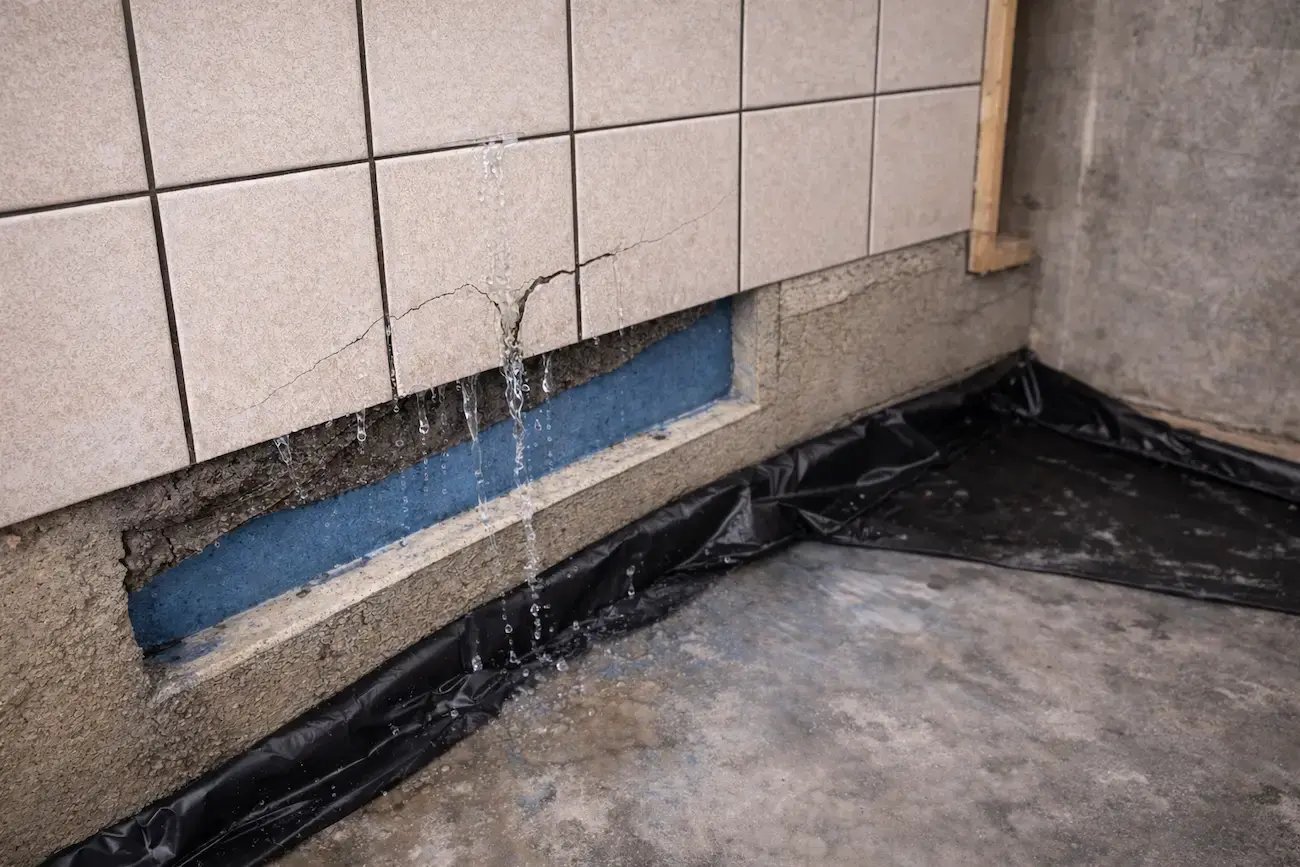
- Waterproofing was minimal (or skipped altogether)
- Fixtures were swapped for builder-grade alternatives
- Change orders push the final cost closer to $20,000+
At that point, the deal isn’t a deal.
And the real cost isn’t just financial—it’s the stress, delays, and lingering disappointment that follow.
(Related reading: Why Bathroom Remodeling Quotes Vary So Much—and What You’re Really Paying For)
Why Deal Culture Works in Retail — But Fails in Remodeling
|
Retail Purchases |
Bathroom Remodeling |
|
Low commitment |
High commitment |
|
Easy returns |
Permanent installation |
|
Short lifespan |
10–20+ year impact |
|
Discounts reduce risk |
Discounts often increase risk |
|
Mistakes are replaceable |
Mistakes are expensive |
Cost vs. Value: The Conversation Homeowners Actually Need
“Deal culture” lingers in remodeling for one simple reason: pricing often feels opaque. When homeowners don’t clearly understand what goes into a remodel, it’s natural to fill in the gaps with assumptions:
Higher price = markup.
Lower price = smarter choice.
But remodeling doesn’t work like retail, and treating it that way is where frustration (and regret) tends to begin.
The price of a remodel isn’t just a number. It’s a reflection of dozens of interconnected decisions: the quality of materials, the skill of the installers, the time allocated to do the work right, the protections built into the contract, and the accountability that shows up long after the last tile is set.
Two remodels can look similar on the surface and perform very differently over time.
One may rely on entry-level materials, rushed installation, minimal prep work, and limited warranties; keeping the price low, but pushing risk onto the homeowner. The other may include better waterproofing, higher-grade materials, experienced craftsmen, and clear guarantees; costing more upfront, but saving money, stress, and repairs down the road.
That’s the difference between cost and value.
Value isn’t about paying more for the sake of paying more.
It’s about understanding what your investment actually delivers.
Does it hold up to daily use?
Does it reduce maintenance and repairs?
Does it make your home safer, more comfortable, and more livable five, ten, or fifteen years from now?
When homeowners focus only on the price, they’re forced to decide in the dark.
When they understand value, they’re empowered to choose with confidence.
And in remodeling, confidence—not urgency—is what leads to the best outcomes.
A Colorado Bathroom Remodel: Cost in Context
Here’s a realistic snapshot for a mid-range bathroom remodel in Colorado:
$18,000–$25,000 often includes:
- Professional design and planning
- Proper waterproofing systems
- Durable wall materials or tile
- Licensed plumbing and electrical work
- Warranty-backed installation
$10,000–$15,000 often means:
- Limited experience, prep and protection
- Fewer material options
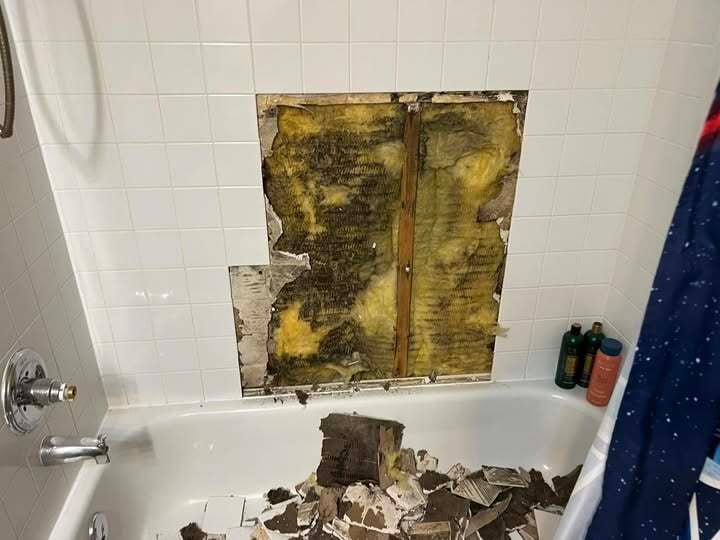
- Higher moisture risk
- A greater chance of repairs down the road
Neither number is inherently “right” or “wrong.” But only one reflects the true cost of building something meant to hold up in Colorado’s climate, elevation, and housing stock.
(Related reading: How Much Will a Bathroom Remodel Cost in 2026—and Why Waiting Could Cost You More)
Why Thoughtful Planning Beats Seasonal Promotions Every Time
Retail thrives on urgency.
Remodeling should not.
The most successful projects we see follow a calm, deliberate planning process—one that protects homeowners from pressure and surprises.
Step 1: Budget with Honesty (Not Optimism)
Good planning starts with a realistic range—not a best-case fantasy.
In Colorado, factors like:
- Older homes
- Plumbing updates
- Code requirements
- Accessibility and aging-in-place considerations
…all influence cost.
A trustworthy remodeler brings these realities up early—even when the conversation feels uncomfortable. Especially then.
Step 2: Choose a Contractor for Process, Not Promises
Sales slogans fade.
Processes don’t.
Look for remodelers who can clearly explain:
- How projects are scoped
- How timelines are managed
- How changes are handled
- How problems are prevented—not just fixed
If the pitch leans heavily on discounts but lightly on details, that’s worth noticing.
👉 (Related reading: Questions to Ask Any Bathroom Remodeler Before Hiring Them)
Step 3: Select Materials with the Future in Mind
This is where value really shows up.
Higher-quality materials:
- Require less maintenance
- Resist moisture and mold
- Age better over time
- Feel better to use—every single day
For homeowners planning to age in place, these decisions matter even more.
👉 (Related reading: Walk-In Tubs vs. Curbless Showers: Which Is Better for Aging in Place in Colorado?)

The Quiet Power of Transparent Pricing
After years of remodeling homes across Colorado, we’ve learned something that often gets overlooked in conversations about price:
Homeowners aren’t afraid of cost.
They’re afraid of surprises.
Unexpected change orders.
Vague line items.
Decisions made in a hurry that feel unclear in hindsight.
That’s where trust breaks down—not because a project costs more than expected, but because no one explained why.
Transparent pricing doesn’t mean being the cheapest option on the table. It means being clear from the start. Clear about what’s included, what’s not, and where choices affect the final investment. It means laying out a detailed scope of work, providing itemized estimates that actually make sense, and having honest conversations about trade-offs. So homeowners understand where it’s worth investing and where it’s okay to scale back.
It also means predictable payment schedules, realistic timelines, and no pressure to decide before all the information is on the table.
When homeowners understand what they’re paying for—and why—it changes the entire experience. They stop feeling rushed. They ask better questions. They make decisions with confidence instead of caution.
And in remodeling, confidence doesn’t just lead to better projects.
It leads to better outcomes, stronger partnerships, and far fewer regrets.
👉 (Related reading: How to Differentiate a Legitimate Contractor from a Sales Pitch)
Why “Waiting for a Deal” Often Costs More
One of the most common questions we hear is:
“Should we wait for a promotion?”
In retail, maybe.
In remodeling? Usually not.
Material costs shift.
Labor availability changes.
Project calendars fill quickly.
Waiting rarely lowers the real cost—but it often increases:
- Stress
- Compromises
- Scheduling challenges
The smartest homeowners don’t wait for hype.
They plan for certainty.
What Black Friday Can Still Teach Us
Black Friday isn’t the problem.
It’s the reminder.
A reminder that loud marketing doesn’t equal value.
That urgency doesn’t equal quality.
And that a discount doesn’t automatically translate into real savings.
If anything, Black Friday exposes how often we’re asked to decide quickly—before we’ve had time to think clearly, compare options, or ask the questions that actually matter.
And that lesson doesn’t stop at retail.
The same mindset that helps shoppers step back from “too-good-to-be-true” deals can help homeowners make far better remodeling decisions.
It starts with slowing down.
Not to delay progress—but to improve it.
When homeowners pause, they begin to ask smarter questions:
- What problem am I actually trying to solve?
- How long do I expect this solution to last?
- What’s included in this price—and what’s conveniently left out?
- What happens if something goes wrong after installation?
Those questions shift the conversation from “How much can I save today?” to “What will this decision cost—or save—me over time?”
Because in remodeling, the real savings rarely come from a discount.
They come from durability.
From proper installation.
From fewer repairs, fewer callbacks, and fewer regrets.
Black Friday reminds us that pressure is not the same thing as progress.
That speed is not the same thing as confidence.
And that the smartest investments are rarely made in a rush.
So whether you’re buying a TV or planning a bathroom remodel, the takeaway is the same:
Slow down.
Ask better questions.
And invest with intention.
That’s how value is built—and how it lasts.
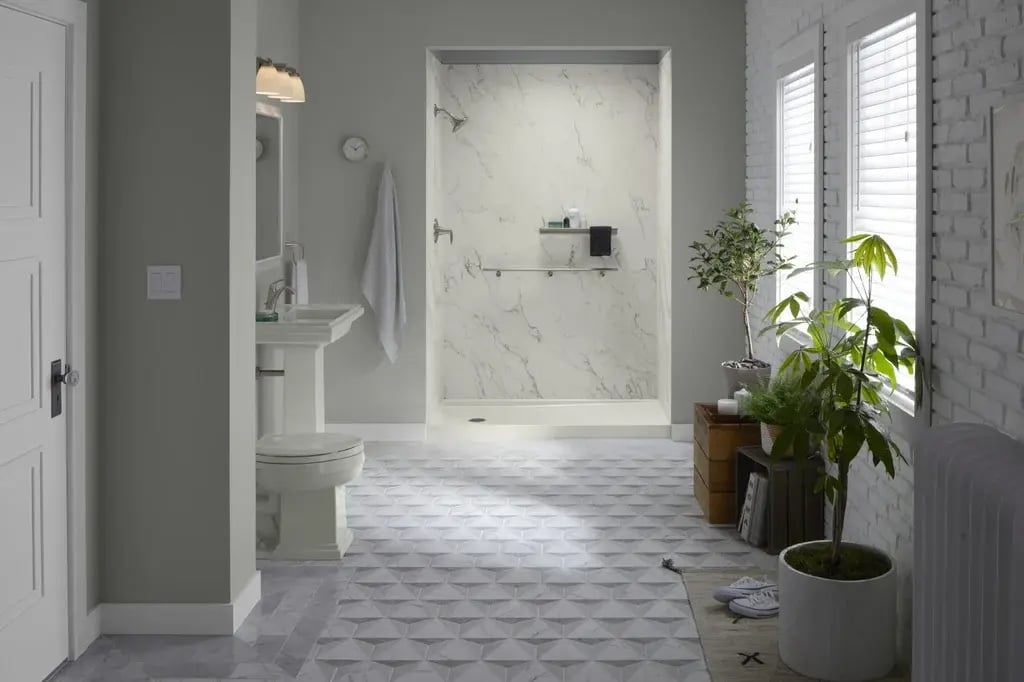
The Remodel You’ll Be Thankful for Next Year
Trends change. Promotions expire. Hype fades. But a well-planned, thoughtfully executed remodel shows up quietly, every morning, doing exactly what it’s supposed to do. The best home improvements aren’t the ones you rushed into or negotiated down the hardest. They’re the ones that work year after year, without stress, surprises, or second-guessing.
That’s why at HomePride Bath, we start with a conversation—not a sales pitch. If you’re considering a bathroom or kitchen remodel and want clarity before committing, we invite you to fill out the form for a free, no-obligation consultation. We’ll take the time to understand your goals, answer your questions honestly, and help you decide whether HomePride is the right fit for your home and your needs. No pressure. No urgency. Just clear guidance—so you can move forward with confidence, whenever the time is right.
Frequently Asked Questions
1. Is Black Friday actually a good time to remodel a bathroom or kitchen?
Short answer: Not usually—and timing matters far less than planning.
Unlike retail purchases, remodeling isn’t something you can “check out” in one day. Quality projects require design time, material selection, scheduling, and proper installation. Promotions tied to Black Friday often rely on urgency rather than preparation, which can lead to rushed decisions or unclear scopes of work. Homeowners who plan ahead—regardless of the season—tend to get better results, fewer surprises, and a smoother overall experience.
2. Why do some bathroom remodel quotes drop so much during sales events?
Large discounts often mean something has been removed or minimized—whether that’s material quality, prep work, waterproofing, labor time, or post-installation support. Remodeling costs don’t magically disappear during a sale; they’re usually shifted. A lower upfront number can result in change orders, repairs, or maintenance costs later. Understanding what’s included matters more than how the price is framed.
3. How can I tell if a remodeling “deal” is actually a good value?
A good value is clear, complete, and transparent.
Ask questions like:
-
What materials are included—and at what grade?
-
How is waterproofing handled?
-
Is design, prep work, and cleanup included?
-
What warranties or guarantees back this work?
If the answers are vague or the focus stays on the discount instead of the process, that’s a signal to slow down. True value is easy to explain and doesn’t rely on pressure.
4. Is it better to wait for a promotion or start planning a remodel now?
For most homeowners, planning sooner—not waiting for a deal—leads to better outcomes.
Material costs, labor availability, and schedules change over time, but meaningful savings rarely come from promotions alone. Homeowners who start with clear goals, realistic budgets, and thoughtful material choices are more likely to stay on track and avoid compromises—regardless of when the project begins.
5. What should matter more than price when choosing a remodeler?
Process, experience, and accountability.
A trustworthy remodeler can clearly explain how your project will be planned, installed, and supported after completion. They welcome questions, outline potential risks early, and don’t rush decisions. Price is important—but without context, it doesn’t tell you whether a remodel will hold up, feel right, or stay problem-free years down the road.
Topics: