
The Short Answer
Most bathroom remodels in Colorado run $14,000 to $40,000, with the typical midrange project landing between $20,000 and $30,000. Nationally, a midrange bathroom remodel recovers about 80% of its cost at resale, the strongest return of any interior remodeling project in the 2025 Cost vs. Value Report. For homeowners staying put, the daily value of a safer, easier-to-use bathroom usually matters more than the resale number.
What a Bathroom Remodel Costs in Colorado
Cost depends on four things: the size of the bathroom, how much you change, the materials you choose, and the condition of what's behind the walls. Here's what Colorado homeowners typically pay.
By project type
| Project | Typical Colorado cost |
|---|---|
| Shower or tub replacement (same footprint) | $9,000 – $18,000 |
| Tub-to-shower conversion | $12,000 – $25,000 |
| Walk-in shower with premium wall systems | $15,000 – $30,000+ |
| Walk-in tub installation | $18,000 – $35,000 |
| Full bathroom remodel (layout changes, flooring, vanity, lighting) | $25,000 – $45,000+ |
| Energy-efficient fixture upgrades (add-on) | $1,000 – $2,500 |
By metro area
| Area | Typical range | What drives it |
|---|---|---|
| Denver metro | $18,000 – $40,000 | Strongest resale returns in the state; high demand for walk-in showers and dual vanities |
| Colorado Springs | $15,000 – $35,000 | Hard water and 1960s–2000s builder-era bathrooms often need extra prep |
| Fort Collins / Northern Colorado | $15,000 – $35,000 | Mix of older in-town homes and newer builds; wide range by neighborhood |
| Mountain and Western Slope communities | $20,000 – $45,000 | Access, freeze-thaw cycles, and material delivery add to project cost |
Ranges reflect HomePride project experience across Colorado and Cheyenne, WY. For context, the national median spend on a primary bathroom was $15,000 in 2025, according to the 2026 U.S. Houzz & Home Study, while Angi's 2026 cost data puts most midrange full renovations between $10,000 and $25,000. Colorado projects often run higher because of altitude, hard water, and the age of the housing stock. Your quote depends on your specific bathroom.
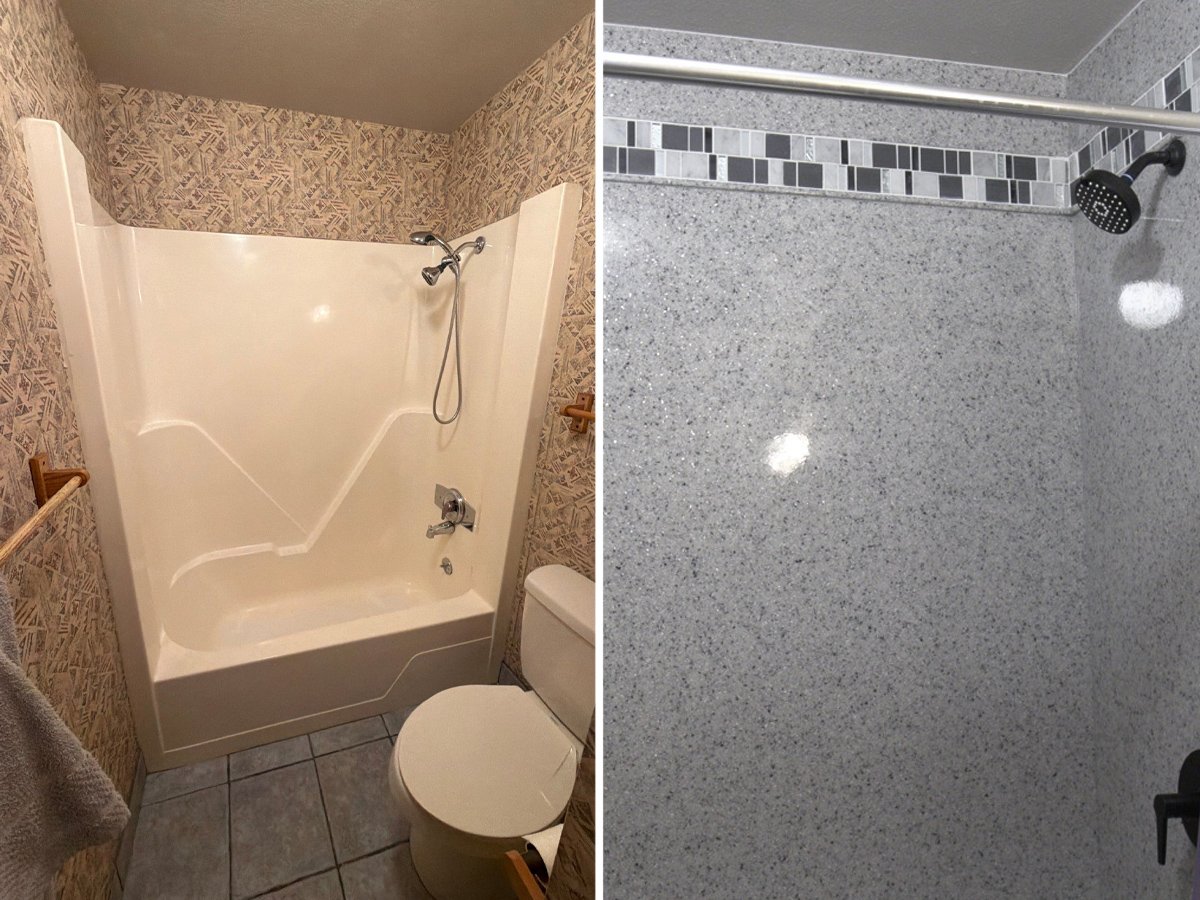
What drives the price up or down
- Scope of work. Replacing a shower and vanity costs far less than moving plumbing, changing the layout, or adding a soaking tub. Relocating a single fixture means opening walls and floors and pulling additional permits.
- Material choices. A standard acrylic shower pan is much less than custom tile or premium systems like KOHLER LuxStone, Kallista, or Onyx.
- Bathroom size. A compact hall bath is a fraction of a primary suite with dual vanities and separate bathing zones.
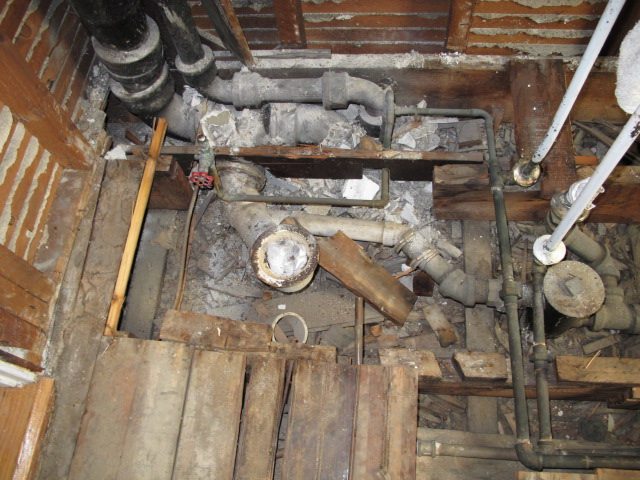
- What's behind the walls. Uneven subfloors, aging supply lines, and past water damage all add prep work — common in homes built from the 1950s through the 1990s. Industry guidance suggests setting aside 10% to 20% of the project budget for what demolition uncovers.
Return on Investment: What the Data Shows
The most widely cited benchmark is the annual Cost vs. Value Report, published by Zonda in collaboration with the Journal of Light Construction and Remodeling Magazine. It compares average project costs against resale value across more than 100 U.S. markets.
National: The 2025 Cost vs. Value Report puts midrange bathroom remodel cost recovery at about 80% nationally — up from the prior year and the strongest interior return in the report.
Mountain region (which includes Colorado): Regional returns run lower than the national figure, in the range of 69% to 71%.
Denver metro: HomePride's own analysis of Denver-area real estate data puts midrange bathroom ROI at about 74.8%, above what the Cost vs. Value data shows for the Mountain region generally. Denver's market has consistently outperformed the broader region, which we believe reflects strong local demand for updated, spa-style bathrooms. (This is HomePride analysis, not Cost vs. Value data.)
Key takeaway: midrange remodels outperform upscale ones. Zonda's 2025 report shows upscale bathroom projects recovering far less on a percentage basis, because luxury finishes rarely translate dollar for dollar at resale.
It's worth noting that resale ROI is only part of the picture. As Zonda's Todd Tomalak put it when the 2025 report was released, exterior improvements drive the most value for owners who are selling, while interior projects make the most sense for people planning to stay in their homes longer.
ROI by Neighborhood: Where Denver Returns Differ
Returns vary by neighborhood, because buyer expectations vary. These ranges come from HomePride's analysis of Denver-area sales data alongside regional cost guides.
Cherry Creek — Remodel cost: $35,000–$60,000+ | ROI: 55–65% Luxury finishes dominate, with strong demand for spa-inspired showers, freestanding tubs, and smart fixtures. With median home prices well above $1M, premium upgrades are what buyers here expect.
Washington Park — Remodel cost: $25,000–$45,000 | ROI: 67–72% Timeless designs with modern function — dual vanities, energy-efficient lighting — perform best in this historic, competitive market.
Highlands — Remodel cost: $20,000–$35,000 | ROI: 70–75% Space-efficient layouts, floating vanities, and bold tile appeal to younger, design-conscious buyers.
Park Hill — Remodel cost: $14,000–$40,000 | ROI: 60–68% Midrange upgrades like water-saving fixtures and neutral palettes do well with families looking for practicality.

Is It Worth Remodeling Right Now?
When the economy feels uncertain, big home projects feel risky. Here's how the math actually works.
Waiting usually costs more, not less
Construction material and labor costs have climbed steadily. Producer price data from the U.S. Bureau of Labor Statistics shows sharp increases in construction inputs over the past several years, and 2026 labor rates are up again: licensed plumbers now command $85–$175 per hour, an 8–10% increase over 2025, with electricians up 6–8%.
A bathroom remodel quoted at $20,000 in early 2021 would have cost roughly $23,800 by mid-2022, driven by a 19% jump in material prices alone. At the roughly 5% annual increases the industry has seen more recently, a $20,000 project today could run $21,000–$22,000 next year.
Remodeling now lets you lock in today's pricing, avoid higher labor costs later, and keep the number predictable.
Home equity changes the math
Home equity is the part of your home you actually own. If your home is worth $500,000 and you owe $300,000, you have $200,000 in equity.
Federal Housing Finance Agency House Price Index data shows Colorado home values appreciated substantially over the past decade, with a 48% cumulative increase between 2017 and 2022 before slowing considerably — the national four-quarter rate was 2.2% as of Q3 2025. Most Colorado homeowners hold far more equity than they did five years ago.
That matters in three ways:
- Lower borrowing costs. Home equity loans have recently averaged roughly 8.15%–8.30% APR, while credit cards average near 22% (Bankrate rate tracking). That's close to three times the cost for the same project.
- Protecting existing value. Dated or damaged bathrooms drag down resale. The National Association of REALTORS® 2025 Remodeling Impact Report found that 35% of agents have seen increased buyer demand for bathroom renovations.
- Homes are assets. Unlike a car, a home generally appreciates, and improvements become part of that long-term value.
Who benefits most from remodeling now
- Staying 3+ years. The longer you live with the upgrade, the more value you get from it — and the Cost vs. Value data itself points to interior projects making the most sense for people staying put.
- Selling within 2 years. Roughly 24% of REALTORS® recommend bathroom updates before listing, and buyers are less willing than they used to be to overlook condition.
- Safety concerns or clear wear. Delays don't fix these; they get more expensive.
- Budget flexibility now, less certainty ahead. Common for homeowners nearing retirement.
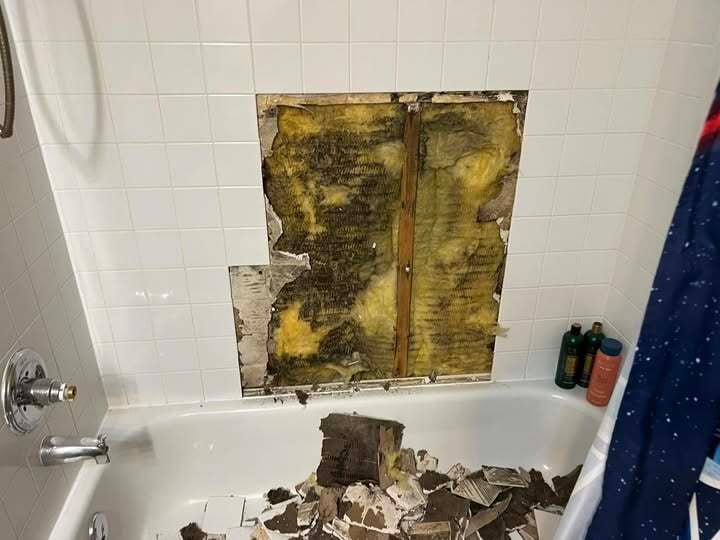
- Visible deterioration. Grout cracks and small leaks grow. Water damage behind walls can turn a $20,000 remodel into a $30,000+ repair.
When waiting makes sense
If you're selling within 6–12 months, your bathroom is safe and functional, you're facing immediate financial uncertainty, or you'd need high-interest debt to pay for it, waiting is reasonable. In that case, talk to a local agent about whether minor updates would be enough.
Upgrades That Add the Most Value in Colorado
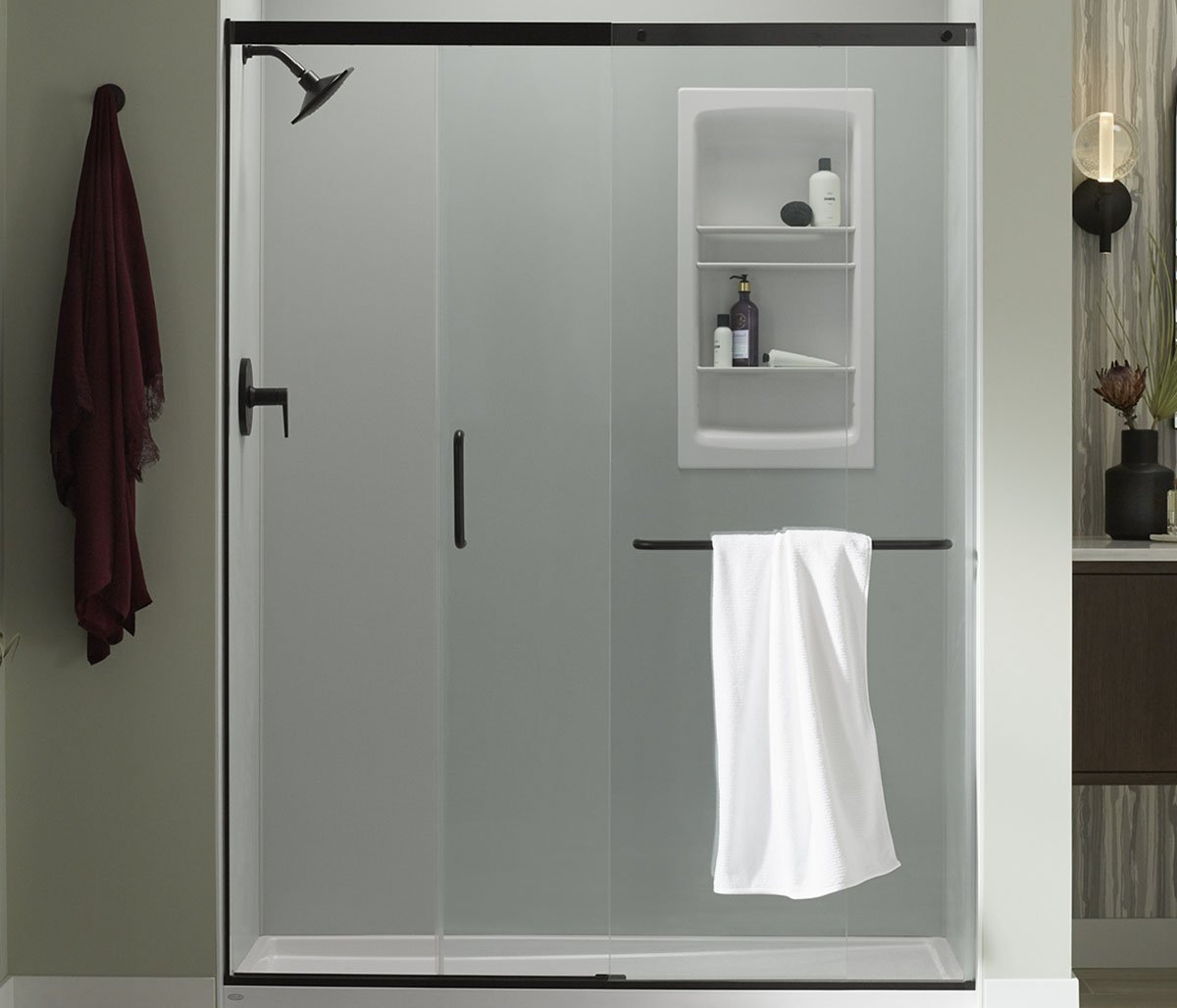
1. Walk-in showers — Cost: $15,000–$30,000+ | ROI: 60%–70% Zero-entry designs, frameless glass, built-in niches, and multiple showerheads. Denver-area agents report that buyers increasingly prefer large, frameless glass showers over dated tub-shower combinations.
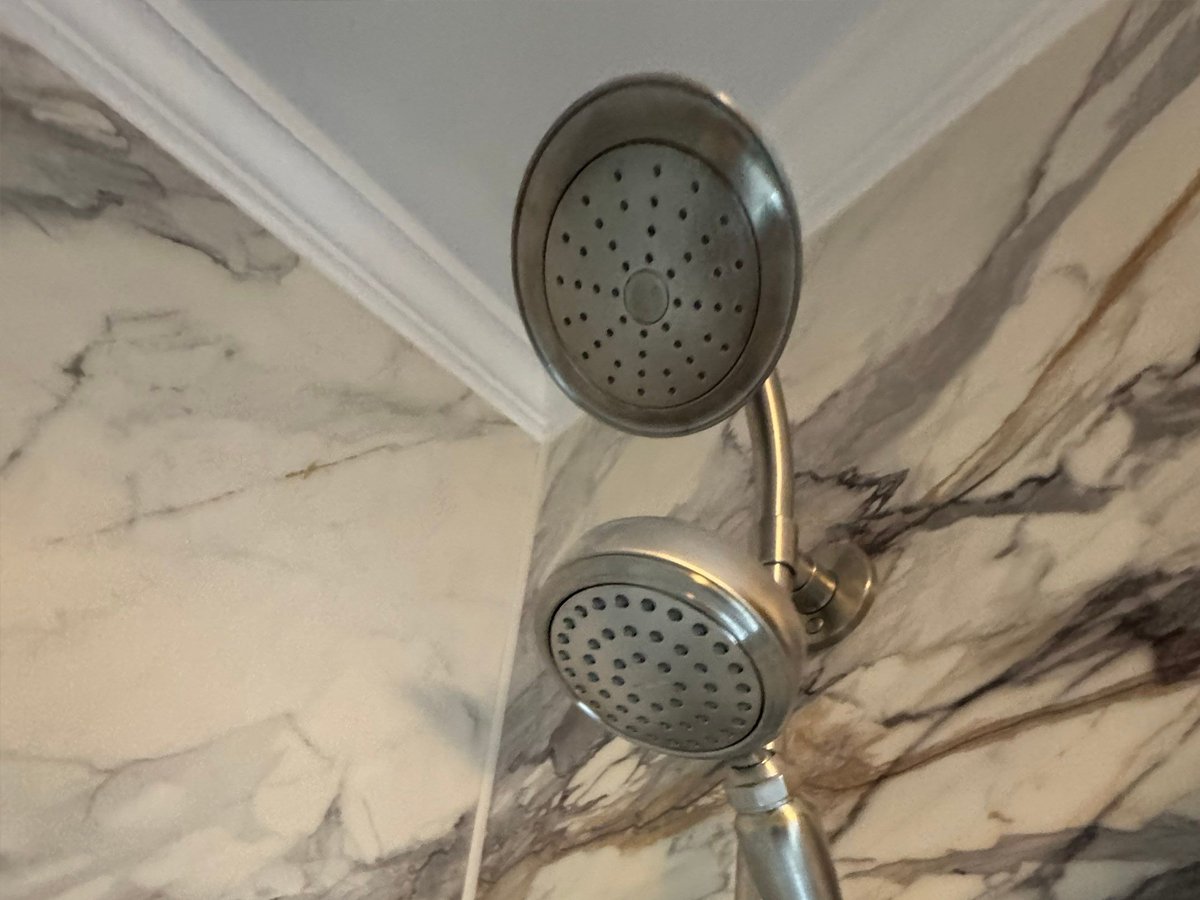
2. Energy-efficient fixtures — Cost: $1,000–$2,500 | ROI: medium Low-flow toilets (1.28 GPF or less), WaterSense-certified faucets and showerheads, thermostatic valves, and tankless water heaters. EPA WaterSense labeled products are certified to use at least 20% less water than standard models without sacrificing performance, and some qualify for local utility rebates.
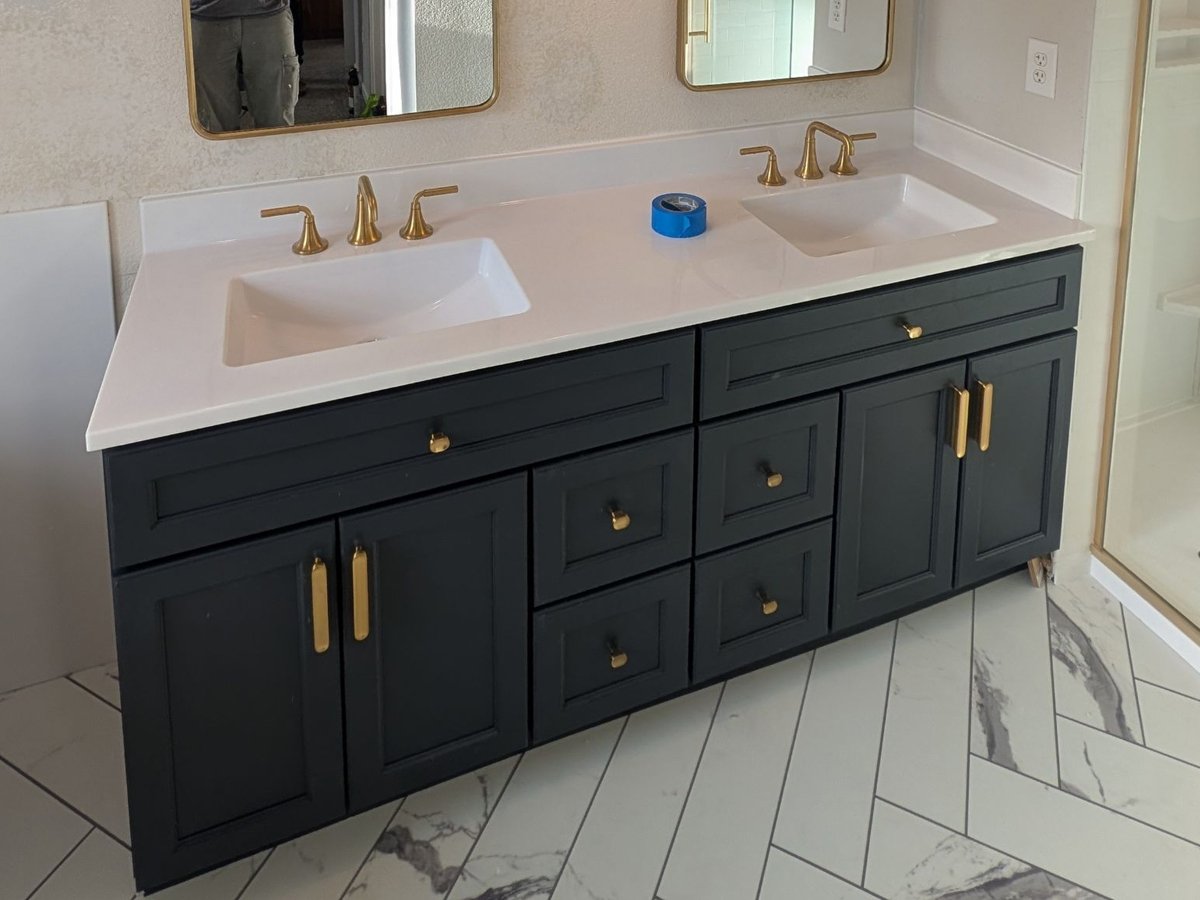
3. Double-sink vanities — Cost: varies | ROI: 50%–70% Widely reported as a top buyer preference in shared and primary bathrooms, and often tied to faster sales.
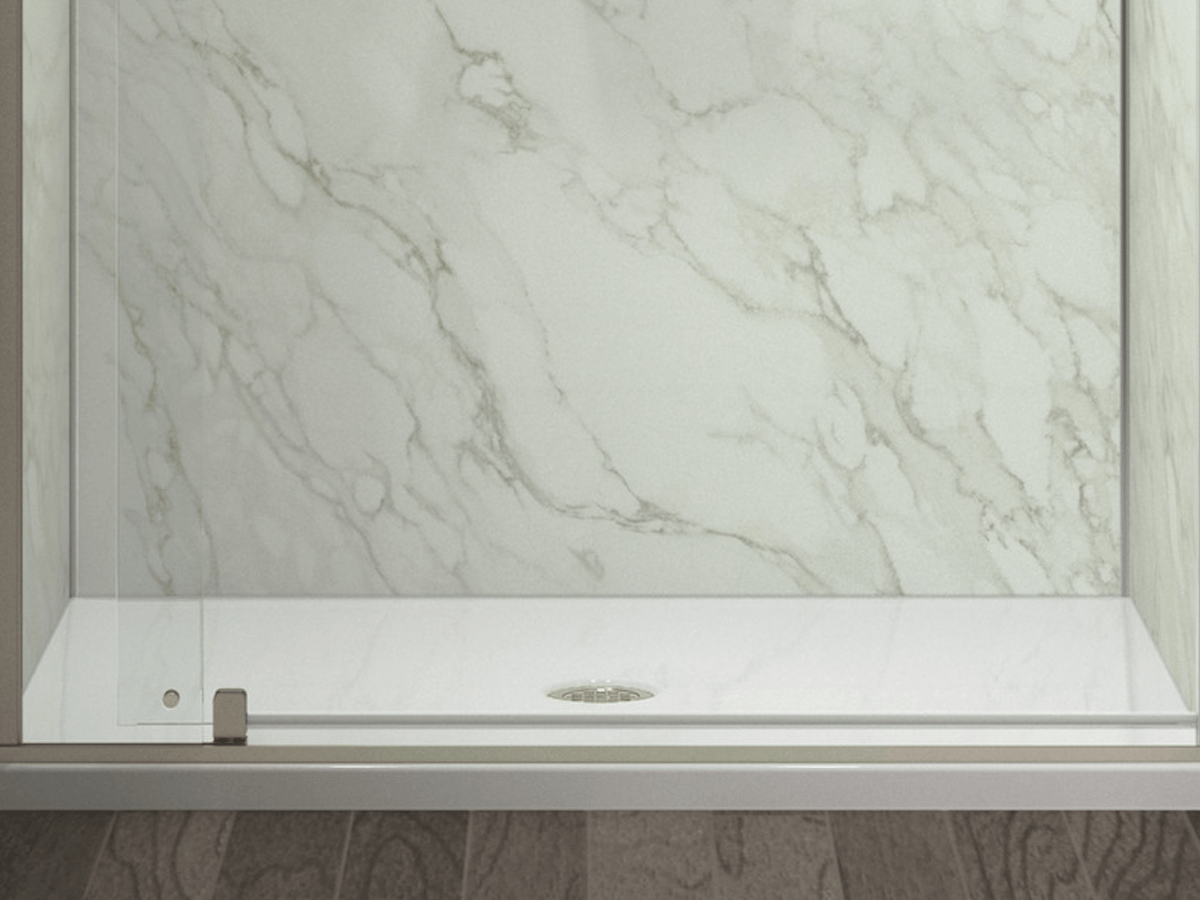
4. Hard-water-resistant materials — Cost: built into the project Much of Colorado has mineral-heavy water that stains fixtures, clogs valves, and shortens fixture life. Low-maintenance wall panels and service-friendly valves reduce upkeep and outlast grout-heavy tile.
Bathroom Remodels Aren't Only About Money
Most homeowners don't remodel because of a spreadsheet. They remodel because the room no longer works.
Safety is a bigger factor than people expect
CDC researchers analyzing national emergency department data estimated 234,094 nonfatal bathroom injuries treated in U.S. emergency departments among people aged 15 and older — about 640 a day. Falls caused 81.1% of them, and more than 65% occurred in or near the tub or shower. Injury rates rose with age, but this is not only an older-adult issue: slippery floors and poor lighting affect everyone.
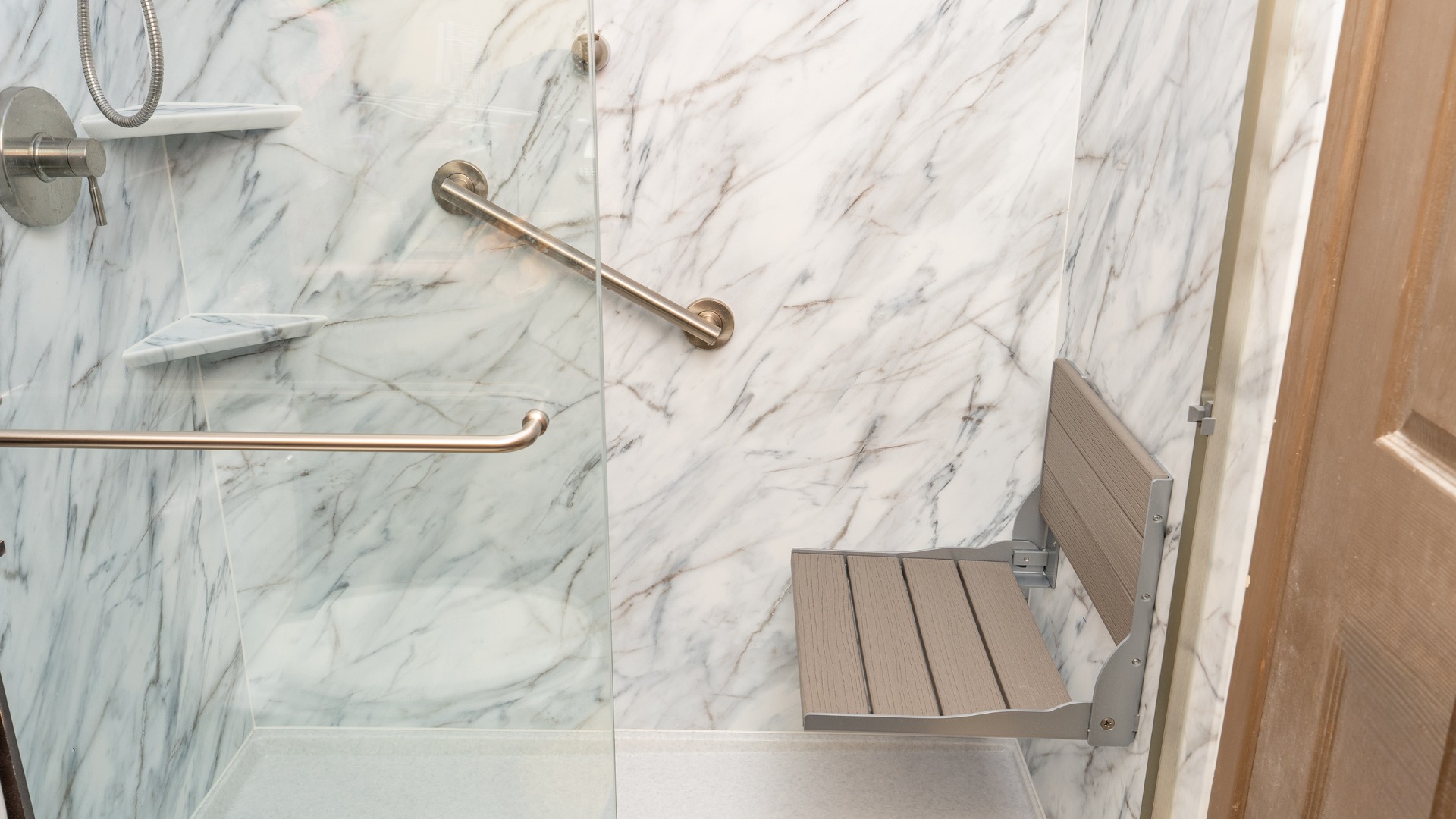
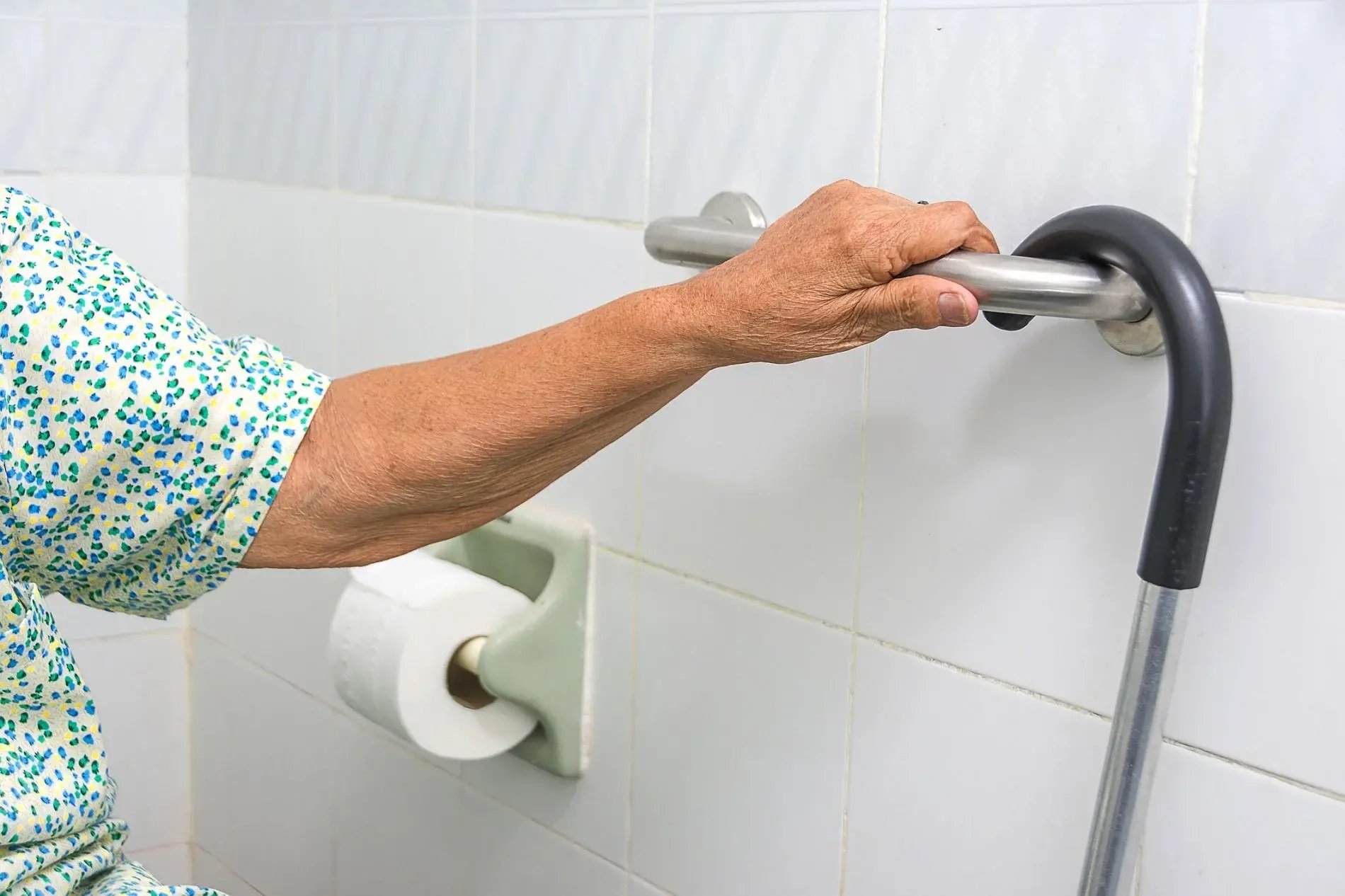
CDC noted that many of these injuries could be reduced through simple changes, such as installing grab bars. Well-planned upgrades include:
- Walk-in or curbless showers that remove the tub wall
- Grab bars placed where people naturally reach
- Slip-resistant flooring
- Brighter, layered lighting
- Lever handles instead of knobs
None of this has to look clinical. Done well, it just looks like a good bathroom.
Daily use adds up
Most people use their bathroom six to eight times a day — thousands of visits a year. Better storage, stronger ventilation, easier-to-clean surfaces, and better lighting change how the room feels every single day.
Lower bills and fewer repairs
Efficient fixtures cut water use. Good ventilation prevents mold, peeling paint, and rot behind walls, all of which cost far more to repair than to prevent.
Common Questions from Colorado Homeowners
How much does a bathroom remodel cost in Colorado? Most run $14,000 to $40,000, with midrange projects between $20,000 and $30,000. Scope, materials, bathroom size, and the condition of existing plumbing drive the difference.
How much does a bathroom remodel cost in Denver? Denver-area projects typically run $18,000 to $40,000. Denver also sees the strongest resale returns in the state.
How much does a bathroom remodel cost in Colorado Springs? Typically $15,000 to $35,000. Hard water and builder-era bathrooms from the 1960s through the early 2000s often mean extra prep work.
Is a bathroom remodel worth it in Colorado in 2026? For most homeowners, yes. The 2025 Cost vs. Value Report puts midrange bathroom cost recovery at about 80% nationally, the strongest interior return in the report, and you get years of daily use before any of that resale value is realized. With material and labor costs still climbing, waiting rarely saves money.
How long does a bathroom remodel take? Most HomePride bath updates are completed in one to two days once installation begins, because we use engineered wall systems rather than tile. Full gut renovations involving structural repairs or plumbing relocation take longer — nationally, midrange remodels average four to six weeks. Your timeline is confirmed before work starts.
What bathroom upgrades add the most value? Walk-in showers (60%–70% ROI), double-sink vanities, and energy-efficient fixtures. Hard-water-resistant materials matter especially in Colorado.
Do I need a permit for a bathroom remodel in Colorado? Often yes, particularly when plumbing, electrical, or ventilation changes. Purely cosmetic updates frequently don't. Requirements vary by jurisdiction — in Colorado Springs, permits go through the Pikes Peak Regional Building Department. A reputable remodeler will confirm, pull permits, and schedule inspections.
How do I avoid losing ROI on a remodel? The biggest risks are poor workmanship, over-customization, and cutting corners. Focus on functional upgrades, choose durable materials, skip overly niche designs, and work with licensed local contractors who know Colorado codes.
Are bathroom remodels tax deductible? Usually not, though they can increase your home's cost basis, which may lower taxes when you sell. Some medical-necessity upgrades may qualify. Check with a tax professional.
Should I remodel before selling? If the bathroom looks dated or damaged, it can help attract buyers. Don't overdo it — sometimes modest updates are enough. Ideally, remodel one to two years before listing so you enjoy it too.
Getting a Real Number for Your Bathroom
Ranges are useful for planning, but your bathroom has its own answer. If you want to know what your project would actually cost, we offer a free, no-obligation assessment: we look at your space, talk through your goals, and explain what options make sense. No pressure, no sales tactics.
Get a no-pressure bathroom assessment
Not ready yet? Our Learning Center has clear, honest articles on what bathroom remodeling actually involves, so you can move forward when the timing is right for you.
Sources
- Zonda / Journal of Light Construction, 2025 Cost vs. Value Report
- Zonda, 38th Annual Cost vs. Value Report announcement, September 2025
- CDC, Nonfatal Bathroom Injuries Among Persons Aged ≥15 Years — United States, 2008, MMWR, June 2011
- U.S. EPA, WaterSense program
- Federal Housing Finance Agency, House Price Index
- U.S. Bureau of Labor Statistics, Producer Price Index
- National Association of REALTORS®, 2025 Remodeling Impact Report
- Houzz, 2026 U.S. Houzz & Home Study
- HomePride Bath analysis of Denver-area real estate data and regional cost guides, 2026