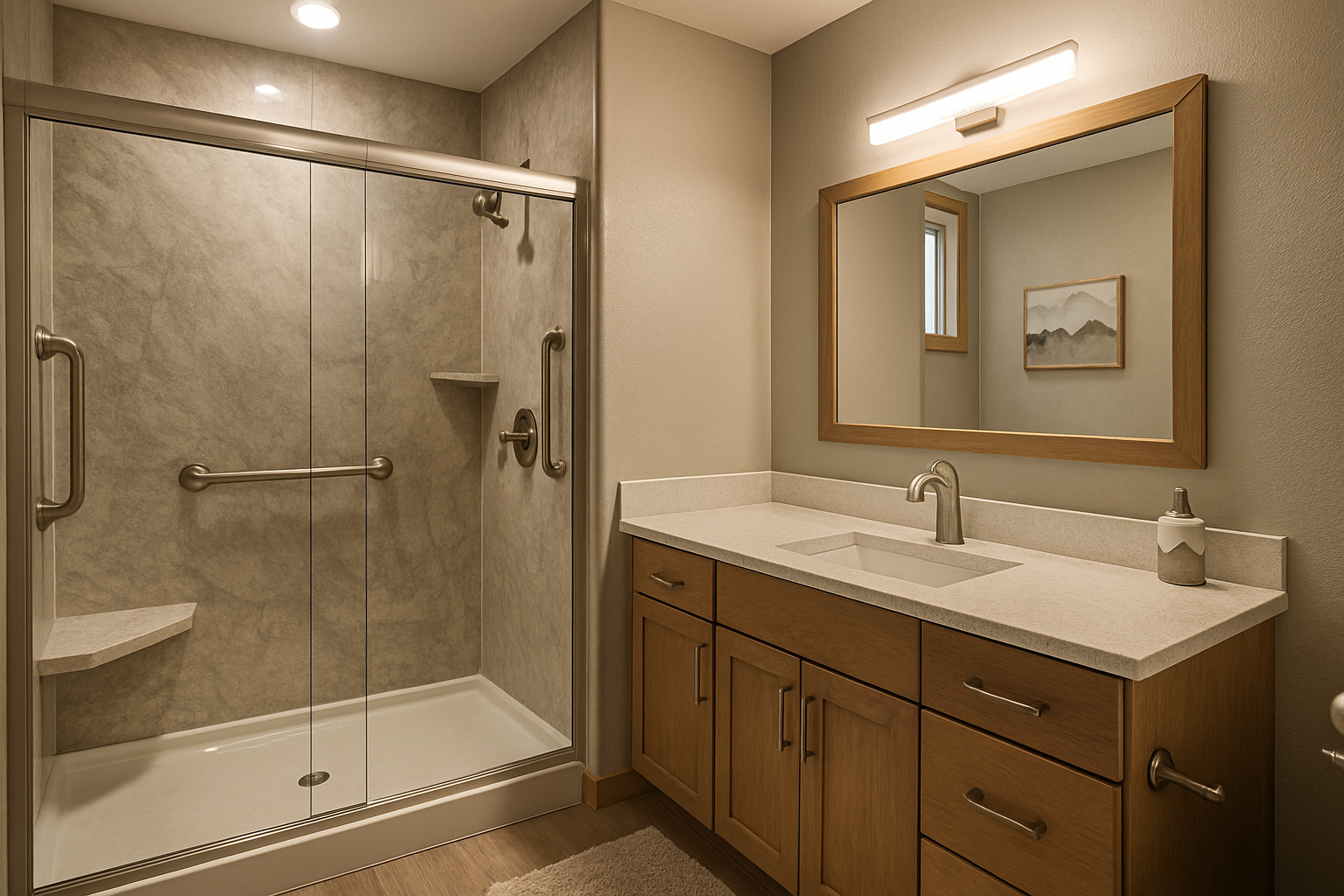


Is a Bathroom Remodel Worth it in 2026?
A bathroom remodel is typically worth it because homeowners recover about 60–80% of the cost at resale, while also improving daily usability, safety, and energy efficiency. Midrange remodels tend to deliver the highest return compared to luxury upgrades.
Key Takeaways
- Kitchen remodels can exceed 100% ROI in some cases
- Bathroom remodels average 60–80% ROI
- Midrange projects outperform luxury remodels
- Waiting 1–2 years can increase costs by $1,300–$2,700+
- Safety upgrades can prevent $19,000+ injury costs
Bottom Line
For most Colorado homeowners, a bathroom remodel is worth the investment because it typically returns 60–80% of its cost at resale while improving daily comfort, safety, accessibility, and energy efficiency. Midrange remodels generally provide the strongest balance between cost and return, especially for homeowners planning to stay in their home for at least two to three years.
The Question Everyone Asks Before Signing the Contract
You’ve decided at some point to consider a bathroom or kitchen remodel. You’ve talked with contractors, you’ve picked one you trust. At last, you sit down at the kitchen table with an estimate in front of you. You look at the number.
And your first thought is probably something like:
“There’s no way it should cost this much… right?”
You’re not alone.
It’s a big decision, and a big number, so it makes sense to take a step back and really evaluate it.
Almost every homeowner we talk to has the same reaction at first.
So the real question isn’t just what does it cost?
It’s:
“Is this actually worth it, or am I about to overspend?”
That’s exactly what we’re going to walk through here, honestly and without pressure.
What the 2025 Cost vs. Value Report Really Says
What is ROI in remodeling?
Return on investment (ROI) in remodeling refers to the percentage of a project’s cost that is recovered in added home value when the property is sold.
According to the Journal of Light Construction (JLC) Cost vs. Value Report, ROI represents the percentage of remodeling costs recovered through increased home value at resale.
Each year, the Journal of Light Construction (JLC), in partnership with Zonda and Remodeling Magazine, publishes the Cost vs. Value Report, the most widely trusted study on remodeling ROI in the U.S. This report shows how much value different remodeling projects add back into homes, based on national values. It covers everything from kitchens and bathrooms to exterior upgrades like garage doors—giving a full picture of where homeowners see the most return.
Here’s what that data actually means for you as a homeowner:
Minor Kitchen Remodel: The #1 Interior ROI Project
For the second consecutive year, a minor midrange kitchen remodel ranked as the top interior project in the country.
- Average ROI: 112.9%
- Average cost: ~$28,458
- Average value added: ~$32,141
In simple terms: many homeowners get back more than they spend.
In our experience working with homeowners across Colorado, this lines up closely with what we see in real projects. Especially when the scope focuses on functional upgrades instead of luxury overhauls.
And a major driver of that return?
Midrange Bathroom Remodel: Consistent, Reliable Return
So what does that actually look like in real numbers? Again, looking at the data provided by the Journal of Light Construction (2025)
Bathroom Remodel ROI by Type
|
Remodel Type |
Average Cost |
ROI |
Value Added |
|
Midrange |
$26,000 |
70–80% |
~$20,000 |
|
Upscale |
$40,000+ |
40–55% |
Lower % return |
|
Universal Design |
Varies |
~64% |
Increasing demand |
How much value does a bathroom remodel add?
Quick Answer
According to the 2025 Cost vs. Value Report, a midrange bathroom remodel typically adds about $20,000 in resale value while recovering approximately 70–80% of project costs. Actual returns vary based on location, project scope, market conditions, and installation quality.
This is not the highest ROI, but it still remains one of the most predictable and stable investments you can make.
In simple terms, midrange projects consistently deliver the strongest balance between cost and return, while high-end remodels tend to recover less of their investment.
What Is a Universal Design bathroom?
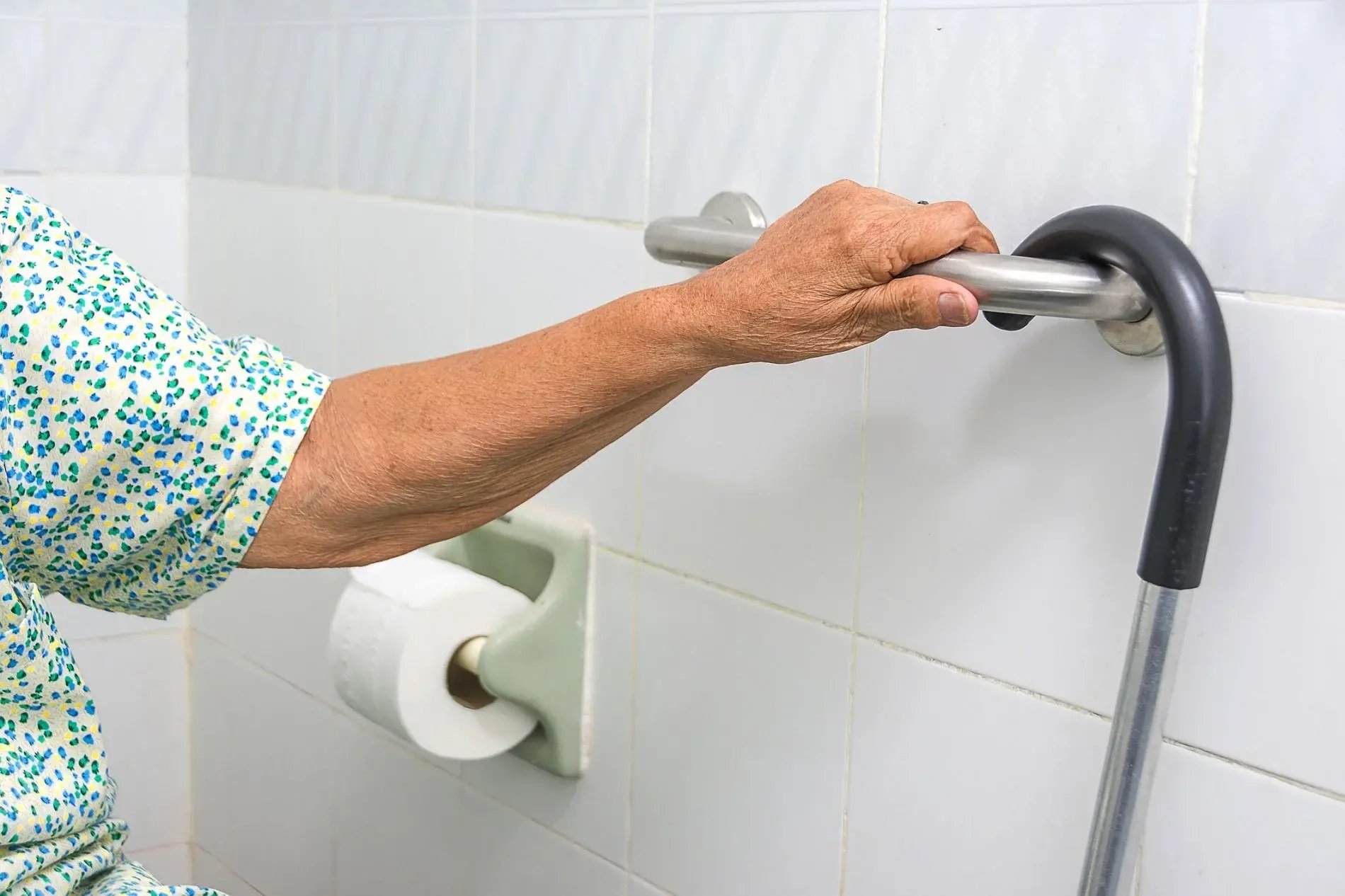
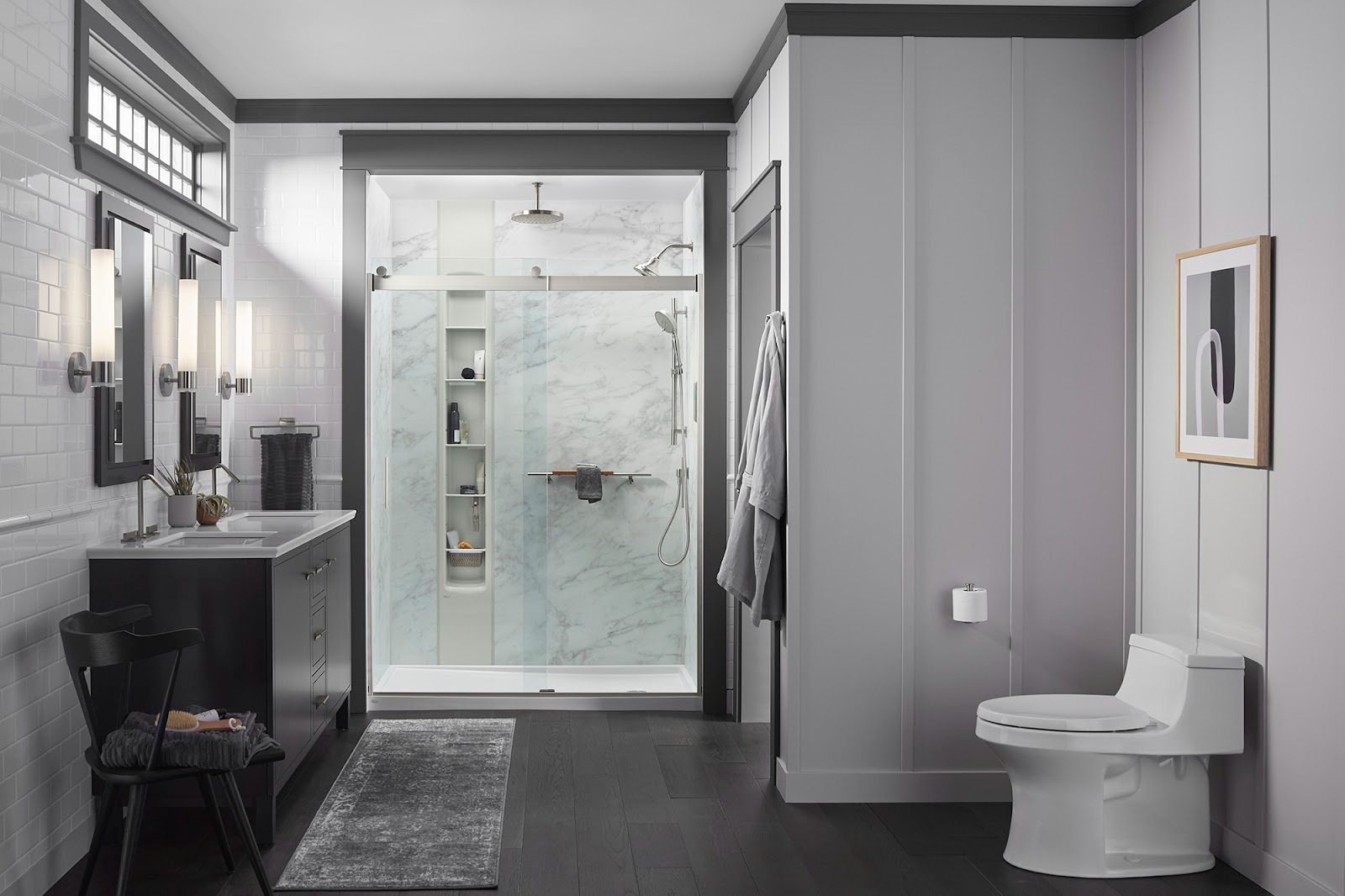
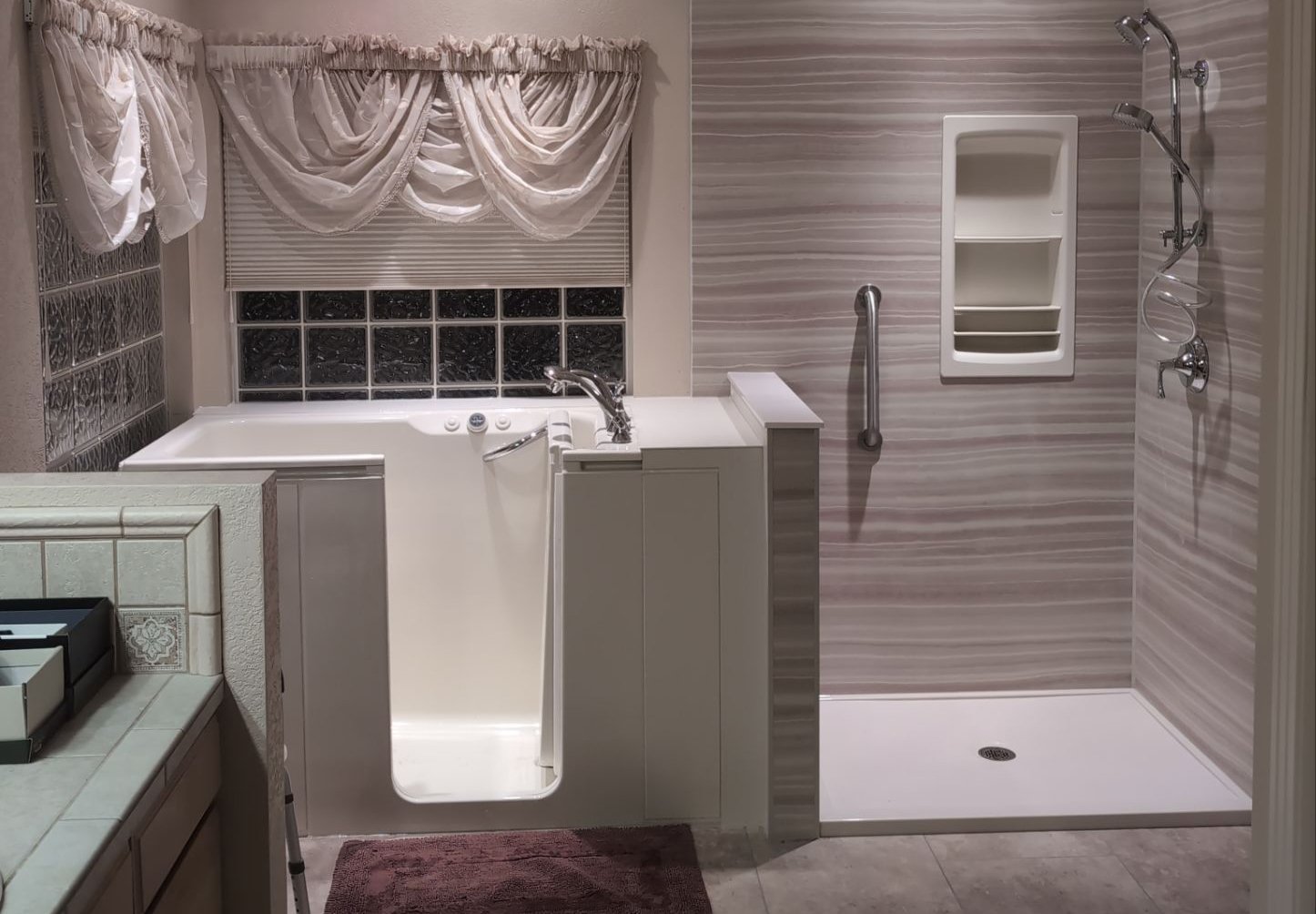
A universal design bathroom is designed to be safer, easier to use, and more accessible for people of all ages and abilities. Common features include curbless showers, wider doorways, slip-resistant flooring, improved lighting, and strategically placed grab bars. The goal is to create a space that remains functional and comfortable as needs change over time.
Why Universal Design is gaining ground
According to Fixr's analysis of the 2024 and 2025 JLC Cost vs. Value Reports, universal design bathroom remodels jumped 12 percentage points in ROI year-over-year, which is one of the largest single-year gains of any project tracked.
That's a significant shift, and it reflects a larger change happening in the housing market.
For years, accessibility features were viewed as something homeowners added only after a health issue or mobility challenge appeared. Today, many buyers see them differently.
They see them as future-proofing.
More homeowners are planning to stay in their homes longer. Others are caring for aging parents or accommodating multigenerational households. And many simply want a home that will continue working for them as their needs change.
That's why features such as:
- Curbless showers
- Wider entryways
- Slip-resistant flooring
- Better lighting
- Strategically placed grab bars
are becoming more desirable.
Perhaps most importantly, today's universal design products no longer look institutional. A curbless shower can feel more luxurious than a traditional tub. Modern grab bars often blend seamlessly into the overall design.
In other words, homeowners no longer have to choose between style and accessibility.
For many buyers, they're becoming one and the same.
That's a major reason universal design projects are gaining value faster than many industry experts expected.
📖 Interested in learning more about how Universal Design can improve safety, accessibility, and long-term comfort without sacrificing style? Explore our complete guide to Universal Design Bathrooms to see which features make the biggest difference for Colorado homeowners.
HomePride Perspective
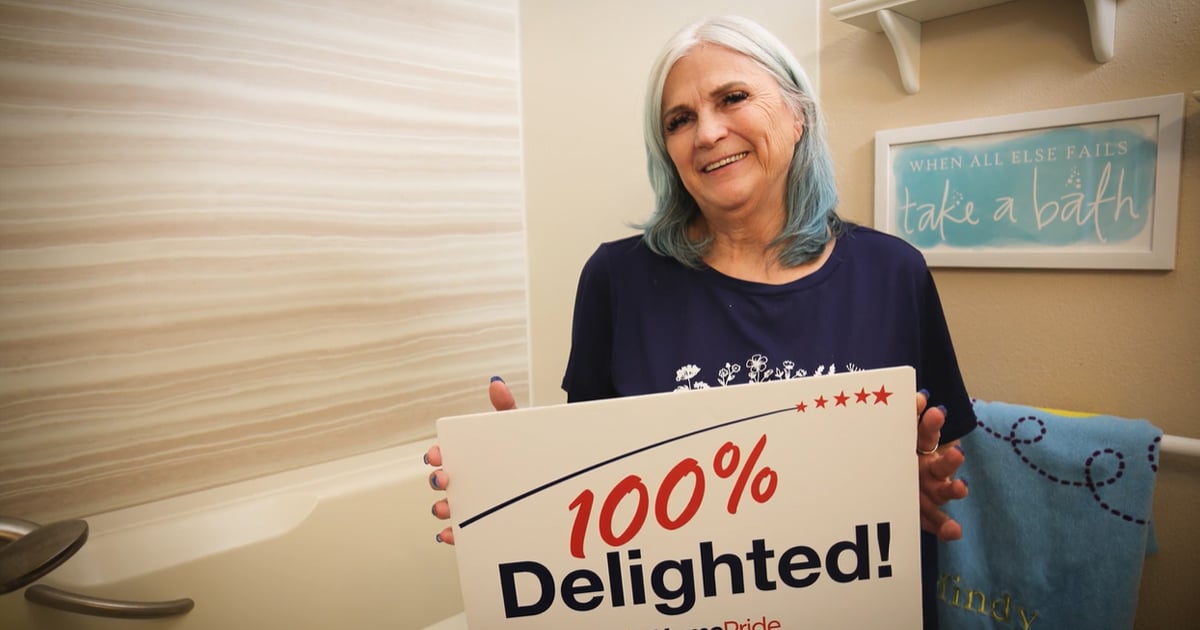
While national studies provide valuable benchmarks, we've found that homeowners rarely decide to remodel based on ROI alone. After helping Colorado homeowners complete bathroom remodels across the Front Range, Western Slope, Four Corners and beyond, the projects people feel best about are usually the ones that solve a daily frustration, improve safety, or create a space that better fits their lifestyle.
The financial return matters. But in our experience, the combination of improved functionality, comfort, and long-term home value is what ultimately makes homeowners feel the investment was worthwhile.
Value #1: What Happens at Resale
ROI percentages are helpful—but they don’t tell the whole story.
What really matters is how your home performs when it hits the market.
Updated Kitchens and Bathrooms Sell Faster
According to the National Association of Realtors (NAR's) 2025 Remodeling Impact Report, kitchen upgrades topped the list of projects where Realtors observed the highest increase in buyer demand (48%), with bathroom renovations close behind (35%).
According to Zillow housing market research, minor bathroom and kitchen improvements can return approximately $1.71 in home value for every $1 spent, and homes with updated bathrooms photograph better, generate more showings, and give buyers the move-in-ready confidence they're looking for.
In today's market, updated kitchens and bathrooms don't just add value. They remove hesitation.
Why does that matter?
Because buyers rarely calculate the exact cost of a future remodel.
Instead, they estimate inconvenience.
A dated bathroom signals future projects, future expenses, and future decisions. An updated bathroom signals certainty. That confidence often translates into stronger offers, fewer objections during negotiations, and a smoother path to closing.
For example, a home that sits on the market for even two extra weeks can lead to price reductions or concessions that far exceed the cost of updating a key space upfront.
In Colorado’s competitive market, that timing can matter just as much as the final sale price.
For many homeowners in areas like Denver, Littleton, or Colorado Springs, updated kitchens and bathrooms are often expected and not optional when competing with newer homes.
Cabinet Refacing: High Impact, Lower Cost
Cabinet refacing consistently stands out because it balances cost and return:
- 30–50% less expensive than full replacement
- 3–5 day installation (vs. weeks)
- Up to ~80% ROI depending on scope
You’re improving what buyers see most, without paying to rebuild what they don’t.
This is one reason cabinet refacing consistently performs well in ROI studies.
You're focusing your budget on the visible elements that shape first impressions while preserving cabinet boxes that are still structurally sound.
For homeowners looking to balance cost, appearance, and return on investment, it's often one of the most efficient upgrades available.
To learn more about the differences between cabinet restyling vs. remodeling, and discover which is the better option for your home, we invite you to read our article: Cabinet Restyling vs. Replacement: What CO Homeowners Need to Know
Value #2: The "Joy Score" (What You Feel Every Day)
Not all value appears on an appraisal report.
The NAR measures something called the Joy Score, a ranking that reflects how satisfied homeowners feel after completing a remodeling project.
According to the National Association of Realtors (NAR) 2025 Remodeling Impact Report:
- Kitchen remodels earned a perfect 10/10 Joy Score
- Bathroom remodels ranked among the highest-scoring projects
- The average score across all remodeling projects was 8.2/10
At first glance, that might sound subjective.
But it highlights something many homeowners discover after remodeling:
The rooms you use most often tend to have the greatest impact on your daily experience.
Think about how often you use your bathroom.
It's likely the first room you enter in the morning and one of the last before bed. Small frustrations like poor lighting, limited storage, an awkward layout, an aging tub, or difficult-to-clean surfaces can seem minor individually.
But when you experience them every day for years, they add up.
The reverse is also true.
When a bathroom functions better, feels safer, and better reflects your needs, you experience that benefit every single day.
That's why homeowners consistently report satisfaction levels that exceed the financial return alone.
The value isn't just in what the remodel adds to the home.
It's also in what it removes from daily life: frustration, inconvenience, and unnecessary stress.rfect 10/10 Joy ScKitchen remodels earned a perfect 10/10 score
K
Value #3: Safety and Aging in Place
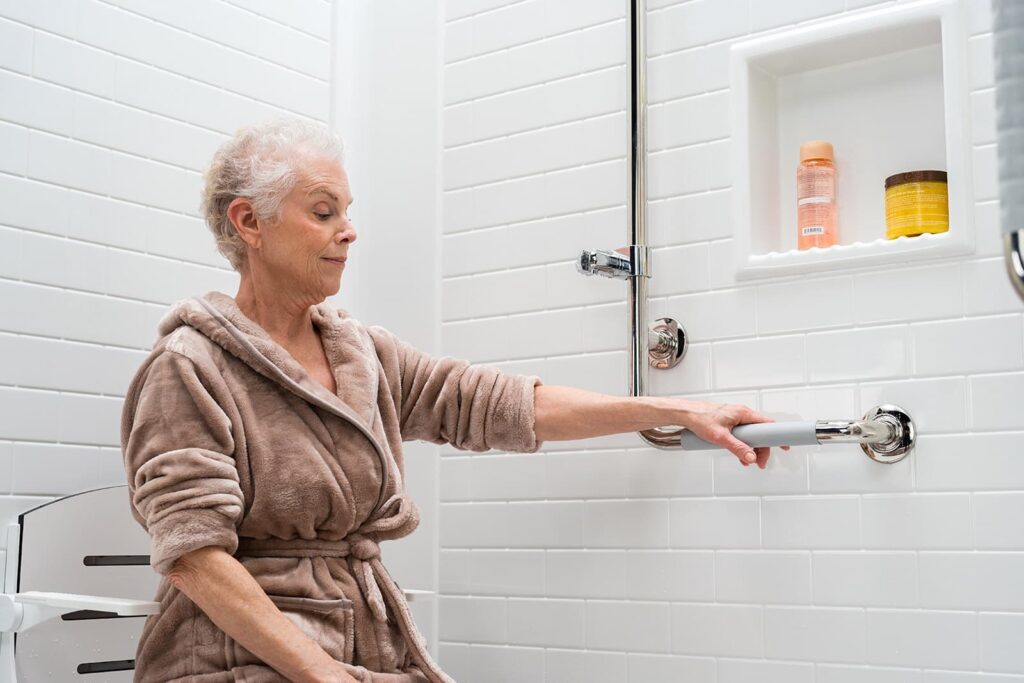
Safety is one of the most overlooked reasons homeowners choose to remodel, but it may also be one of the most important.
Most people don't think much about stepping over a tub wall, balancing on a wet floor, or reaching for support while getting out of the shower.
Until one day they have to.
The reality is that bathrooms are one of the highest-risk rooms in the home for slips and falls, particularly as we age.
A fall in the bathroom is far more likely to cause an injury than a fall in many other areas of the home. That's one reason bathrooms consistently rank among the highest-risk spaces for older adults and individuals with limited mobility.
Research has found that falls occurring in bathrooms are more than twice as likely to result in injury compared to falls in living rooms. In a nationally representative Center for Disease Control (CDC) study, an estimated 234,094 nonfatal bathroom injuries were treated in U.S. emergency departments in a single year, with more than 80% caused by falls.
A 2015 national analysis of fall-related ER visits also found: the most common locations for a fall at home were the bedroom, bathroom, and stairs, with the majority of fall-related emergency department visits resulting from falls that occurred at home.
The Reality Most Homeowners Don’t Plan For
- 1 in 4 adults over 65 falls each year
- Bathrooms are one of the highest-risk areas
- Average fall-related hospital stay: ~$19,000
A remodel that includes:
- Curbless shower
- Grab bars
- Non-slip flooring
- Better lighting
…isn’t just an upgrade.
It’s risk reduction.
Why This Matters Financially
Avoiding a single injury can offset a large portion of your remodel cost.
That’s part of why universal design features are gaining value in the market.
They solve a real problem buyers know is coming, even if they’re not facing it yet.
Value #4: Ongoing Savings (The Hidden ROI)
Most homeowners don't remodel a bathroom to save money on their utility bill. But that doesn't mean the savings aren't real.
Modern plumbing fixtures are dramatically more efficient than those installed twenty or thirty years ago.
For example:
- Older showerheads often use 3.0–5.5 gallons per minute
- Eviromental Protection Agency (EPA) WaterSense-certified models use 2.0 gallons per minute or less
That difference may seem small while you're standing in the shower.
Over time, however, it adds up.
Studies show efficient fixtures can save approximately $70 per year per fixture and reduce household water consumption by thousands of gallons annually.
Across an entire home, annual savings can approach several hundred dollars depending on usage patterns.
Will those savings alone pay for a remodel?
No.
But that's not really the point.
The bigger takeaway is that modern bathrooms don't just look better.
They often cost less to operate.
And when those savings are combined with improved durability, reduced maintenance, and lower water consumption, the financial benefits continue long after the installation crew leaves.
It's a form of return on investment many homeowners overlook because it happens gradually instead of all at once.
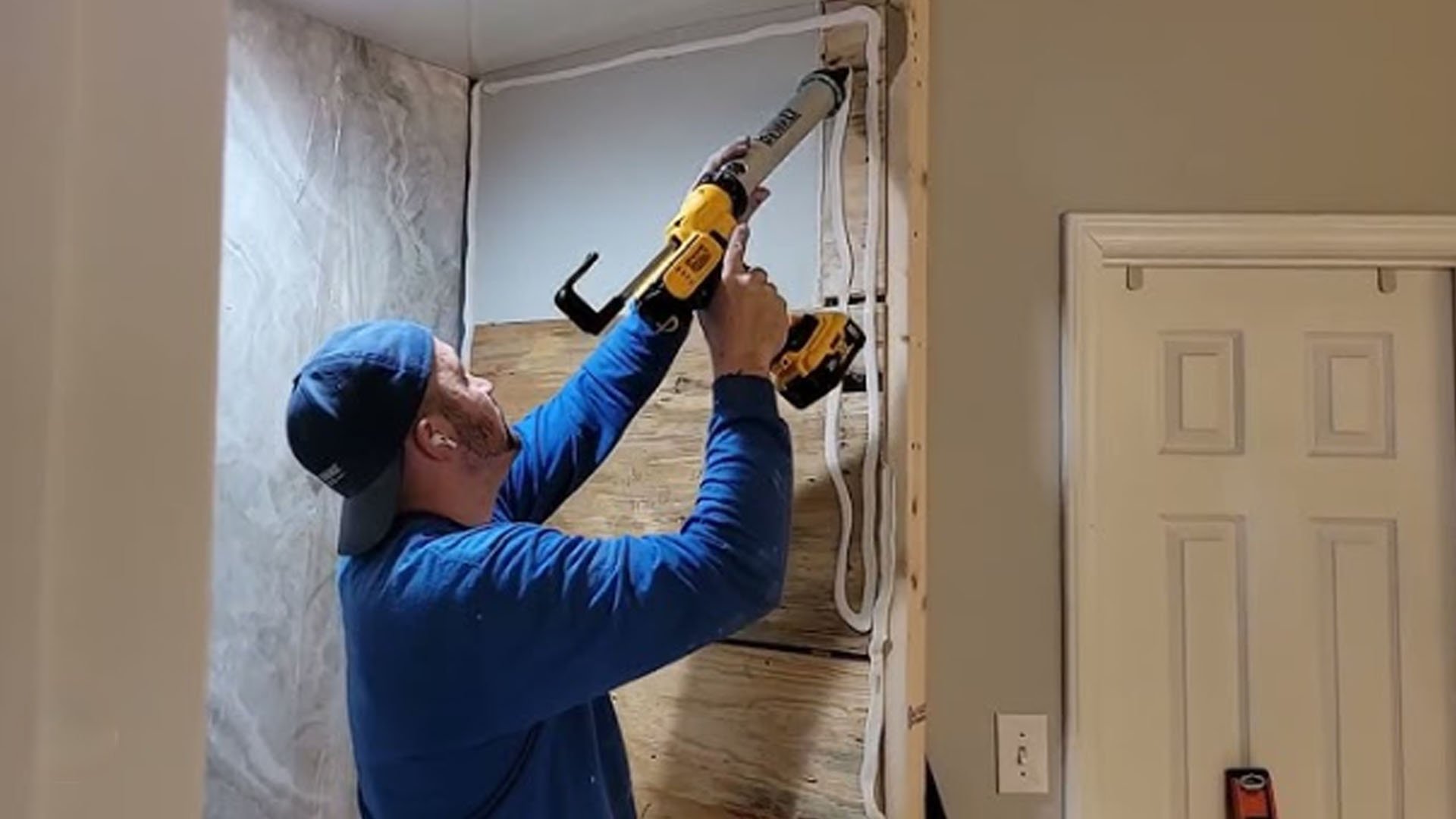
Value #5: Building Equity in What You Already Own
When most people think about remodeling, they think about spending money.
A different way to look at it is this:
You're converting cash into an improvement that becomes part of your home's value.
For example:
- Bathroom remodel investment: $26,000
- Estimated value added: approximately $20,800
- Estimated ROI: roughly 80%
That doesn't mean you're getting a check back for $20,800.
It means a significant portion of your investment remains attached to the property itself. Compare that to many other major purchases.
A vacation creates memories but no lasting asset. A vehicle begins depreciating almost immediately. Electronics lose value every year.
A well-executed remodel behaves differently.
Part of the money you spend stays embedded in the home as increased market value, improved functionality, and stronger buyer appeal.
That can become especially important later if you decide to sell, refinance, or access equity through a home equity line of credit.
In other words, remodeling isn't purely an expense.
It's one of the few large purchases that can improve your daily quality of life while also strengthening the value of an asset you already own.
Here's what many homeowners discover:
The value of a remodel rarely comes from a single benefit.
It comes from the combination of stronger resale potential, greater daily enjoyment, improved safety, lower operating costs, and increased home value working together.
When you look at the project through that lens, the conversation shifts from "What does it cost?" to "What am I actually getting in return?"
Breaking Down the "Sticker Shock"
Here’s how that investment typically breaks down in terms of what you’re actually getting:
When you see a $20K–$35K estimate, it’s easy to focus on the number alone.
But that number is buying multiple outcomes at once:
|
Category |
What You Gain |
|
Resale Value |
~70–80% cost recovery |
|
Market Speed |
Faster sale, fewer concessions |
|
Daily Experience |
9.8/10 satisfaction |
|
Safety |
Reduced injury risk |
|
Utilities |
Ongoing savings |
|
Future-Proofing |
Aging-in-place readiness |
|
Equity |
Long-term value growth |
When you look at all of them together, the decision becomes less about cost, and more about overall value.

What Colorado Homeowners Should Know
While national remodeling studies provide useful benchmarks, local housing conditions matter.
Across much of Colorado's Front Range, homeowners are competing against newer homes that often feature updated bathrooms, open layouts, and modern finishes. In markets such as Denver, Littleton, Highlands Ranch, and Colorado Springs, outdated bathrooms can stand out more quickly than they might in other parts of the country.
Colorado also faces ongoing labor shortages within the construction industry, which can contribute to rising remodeling costs over time. For homeowners planning to stay in their homes for several years, waiting rarely results in a less expensive project.
That's why many Colorado homeowners focus not only on resale value, but also on how a remodel improves daily living while protecting long-term home value.
What Actually Maximizes Your Return
Not every remodel performs the same.
Here’s what the data consistently shows:
1. Midrange Beats Luxury
- Midrange: ~70–80% ROI
- Upscale: ~40–55% ROI
Buyers pay for quality, but not for over-personalization.
2. Stick to Broad Appeal
Focus on:
- Walk-in showers
- Neutral finishes
- Quartz countertops
- Updated lighting
These appeal to the widest range of buyers.
3. Refacing Often Beats Replacing
If cabinets are structurally sound, refacing delivers:
- Lower cost
- Faster install
- Stronger ROI
4. Avoid Over-Capitalizing
A common guideline:
Spend 5–15% of your home’s value on a bathroom remodel.
Going beyond that can make it harder to recoup your investment.
5. Professional Installation Matters
Quality work:
- Holds up over time
- Passes inspection
- Supports appraisal value
Cut corners here, and ROI drops quickly.
What Happens If You Don’t Remodel?
Buyers notice outdated spaces immediately.
And they respond in predictable ways:
- Lower offers
- More negotiation
- Longer time on market
An outdated bathroom isn’t neutral.
It’s a liability buyers price in.
The Cost of Waiting: Opportunity Loss Over Time
One factor most homeowners don’t account for is this:
Remodeling rarely gets cheaper.
Material and labor costs in the remodeling industry have steadily increased over the past several years due to inflation, supply chain pressures, and skilled labor shortages. While the spikes of 2021–2022 have stabilized somewhat, prices are still trending upward.
In markets like Denver and surrounding areas, where skilled labor demand remains high, those increases tend to land on the higher end of that range.
What That Looks Like in Real Terms
According to Construction Analytics' analysis of Bureau of Labor Statistics (BLS) data, residential construction costs have averaged 5.4% annual inflation since 2011.
Labor costs have been even more volatile. BLS data shows construction wages rising 4.3% to over 9% annually in recent years, driven in part by a persistent skilled trades shortage. In competitive markets like Colorado, which faces a documented labor gap of tens of thousands of construction workers, those pressures are even more pronounced.
That means a project you price today doesn’t stay the same.
Example: Waiting 1–2 Years
Let’s take a typical midrange bathroom remodel:
- Today: $26,000
If costs rise conservatively at ~5% annually:
- In 1 year: ~$27,300
- In 2 years: ~$28,700
That’s an additional $1,300–$2,700—without upgrading anything.
And in higher-inflation conditions, those increases can be even more significant.
We’ve seen this firsthand. Homeowners who paused projects in 2022–2023 often came back 12–24 months later facing noticeably higher estimates, without changing the scope. That’s the real cost of waiting most people don’t plan for.
The Hidden Opportunity Cost
Waiting doesn’t just increase project cost. It also delays the benefits:
- You postpone daily comfort and usability
- You continue paying higher utility costs
- You carry ongoing safety risks in outdated spaces
- You delay building equity in your home
In other words, you’re not just saving money by waiting—you’re also missing out on value during that time.
The Market Reality
One homeowner we worked with initially planned to wait “a year or two” before remodeling. When they revisited the project 18 months later, their costs had increased by several thousand dollars, and they had spent that time dealing with a space that didn’t function well for their needs. In hindsight, they told us the delay cost them more in both money and daily frustration than moving forward sooner would have.
A More Helpful Question to Ask
Instead of asking:
“Will this cost less later?”
A more accurate question is:
“What does waiting actually cost me in both dollars and in lost value?”
When a Remodel Might Not Be Worth It
Now that we’ve explained when a remodel makes the most sense for Colorado homeowners, it’s time to be transparent and also discuss when remodeling isn’t the right move.
A remodel may not make sense if:
- You plan to sell in the next 6–12 months and your home is already competitive
- Your layout has major structural limitations that a surface-level remodel won’t fix
- You’re considering a high-end luxury upgrade in a midrange neighborhood
- Your budget forces you to cut corners on installation quality
In these cases, you may not see the return you’re expecting.
That's why the best remodeling advice isn't always "yes."
Sometimes the smartest financial decision is to scale back the scope, postpone the project, or focus only on the improvements that deliver the greatest impact.
A trustworthy remodeler should be willing to have that conversation, even when it doesn't lead to an immediate sale.
That doesn’t mean remodeling is a bad investment. It just means timing and scope matter.
A good remodeler should help you understand when to move forward… and when to wait. That’s part of our job—to help you make the right decision, even if that decision isn’t to remodel right now.
How to Decide If It’s Worth It for You
If you’re still on the fence, here’s a simple way to think about it:
- Do you plan to stay in your home for at least 2–3 years?
- Are you solving a real frustration (layout, safety, usability)?
- Would an updated space improve your daily routine?
- Is your budget aligned with your home’s overall value?
If you’re answering “yes” to most of these, a remodel is usually a strong investment—not just financially, but in how your home works for you.

So, Is a Bathroom Remodel Worth the Investment?
For most homeowners, yes, but not because it's guaranteed to make you money.
As we've covered, a bathroom remodel can help you recover a significant portion of your investment when you sell, while also improving comfort, functionality, safety, and buyer appeal.
The exact return depends on factors like the scope of the project, the quality of the materials, local market conditions, and how long you plan to stay in your home.
But the best remodels do more than increase resale value.
They solve problems.
They make your home easier to live in, more enjoyable to use, and better aligned with the way you want to live today.
That's why the real question isn't just, "How much value will a bathroom remodel add?"
It's whether the improvements you're considering will deliver enough value to you and your family to justify the investment.
For many Colorado homeowners, the answer is yes.
Not because a remodel is guaranteed to maximize profit.
But because the right remodel improves the value of something they use every single day: their home.
Ready to Explore What Makes Sense for Your Home?
At HomePride Bath, our goal isn’t to sell you a remodel.
It’s to help you make the smartest decision for your home.
That means looking at your space, your goals, and your budget—and being honest about what makes sense (and what doesn’t).
If you want a clear, pressure-free understanding of what your project could deliver:
👉 Start your remodel at HomePrideBath.com
No pressure. No sales pitch. Just clarity on what your home needs—and what it’s actually worth.
Frequently Asked Questions About Home Remodeling ROI
1. Is a bathroom remodel worth it financially?
A bathroom remodel is usually worth it financially because homeowners typically recover 60–80% of the project cost in added home value. In addition to resale value, remodels improve daily functionality, safety, and energy efficiency, making them a strong overall investment.
2. How much value does a bathroom remodel add to a home?
A midrange bathroom remodel costing around $25,000–$30,000 typically adds about $20,000 in resale value. This equates to an average return on investment (ROI) of approximately 70–80%, depending on the market and quality of the work.
3. What type of remodel has the highest return on investment?
Minor kitchen remodels often deliver the highest ROI, sometimes exceeding 100%. Among bathroom projects, midrange remodels provide the best balance of cost and return, outperforming upscale renovations, which tend to recover a smaller percentage of their cost.
4. What is the best bathroom remodel for return on investment?
Midrange bathroom remodels generally provide the best return on investment because they balance cost, functionality, and buyer appeal. According to national Cost vs. Value Report data, midrange projects typically recover 60–80% of their cost at resale, while luxury remodels often recover a smaller percentage despite higher spending.
5. Is it better to remodel now or wait?
In most cases, remodeling sooner is more cost-effective because construction costs tend to rise over time. With average annual increases of around 5%, delaying a project by 1–2 years can add thousands of dollars without increasing the value of the remodel.
5. Do bathroom remodels help homes sell faster?
Yes, updated bathrooms help homes sell faster and with fewer price reductions. Buyers are more likely to make strong offers on move-in-ready homes, and updated spaces reduce negotiation friction and perceived future repair costs.
6. What adds the most value in a bathroom remodel?
The features that add the most value include walk-in or curbless showers, modern vanities, improved lighting, durable materials, and accessible design elements. Functional upgrades that improve usability and safety tend to deliver the strongest return.
7. How long should you stay in your home to make a bathroom remodel worth it?
Most remodeling professionals recommend planning to stay in your home for at least two to three years after a bathroom remodel. This allows homeowners to enjoy the daily benefits of the upgrade while increasing the likelihood of recovering a significant portion of the investment through improved home value.
Sources
- JLC Cost vs. Value Report
- NAR Remodeling Impact Report
- Zillow Research
- CDC
- BLS
- Construction Analytics
- Fixr
Topics: