If you or a loved one has started struggling with balance, joint pain, or simply stepping over a traditional bathtub wall, you’re not alone.
For many homeowners, the bathroom is one of the first places where mobility challenges appear. Unfortunately, it can also become one of the most dangerous rooms in the house.
Many adult children researching safer bathing options for aging parents also begin their search with walk-in tubs.
That’s why walk-in tubs have become so popular in recent years. They promise a safer bathing experience with a low step-in threshold, built-in seating, and therapeutic soaking features designed for comfort and independence.
But walk-in tubs are also a major investment, ranging between $18,000 to $25,000 or more installed, and they come with trade-offs that many companies don’t explain clearly before the sale.
At HomePride, we’ve installed hundreds of walk-in tubs across Colorado and into Cheyenne, Wyoming as a Reveal by KOHLER Authorized Dealer. We’ve also spoken with many homeowners who later told us the same thing:
“I wish I had understood the pros and cons before deciding.”
This guide is designed to give you that clarity.
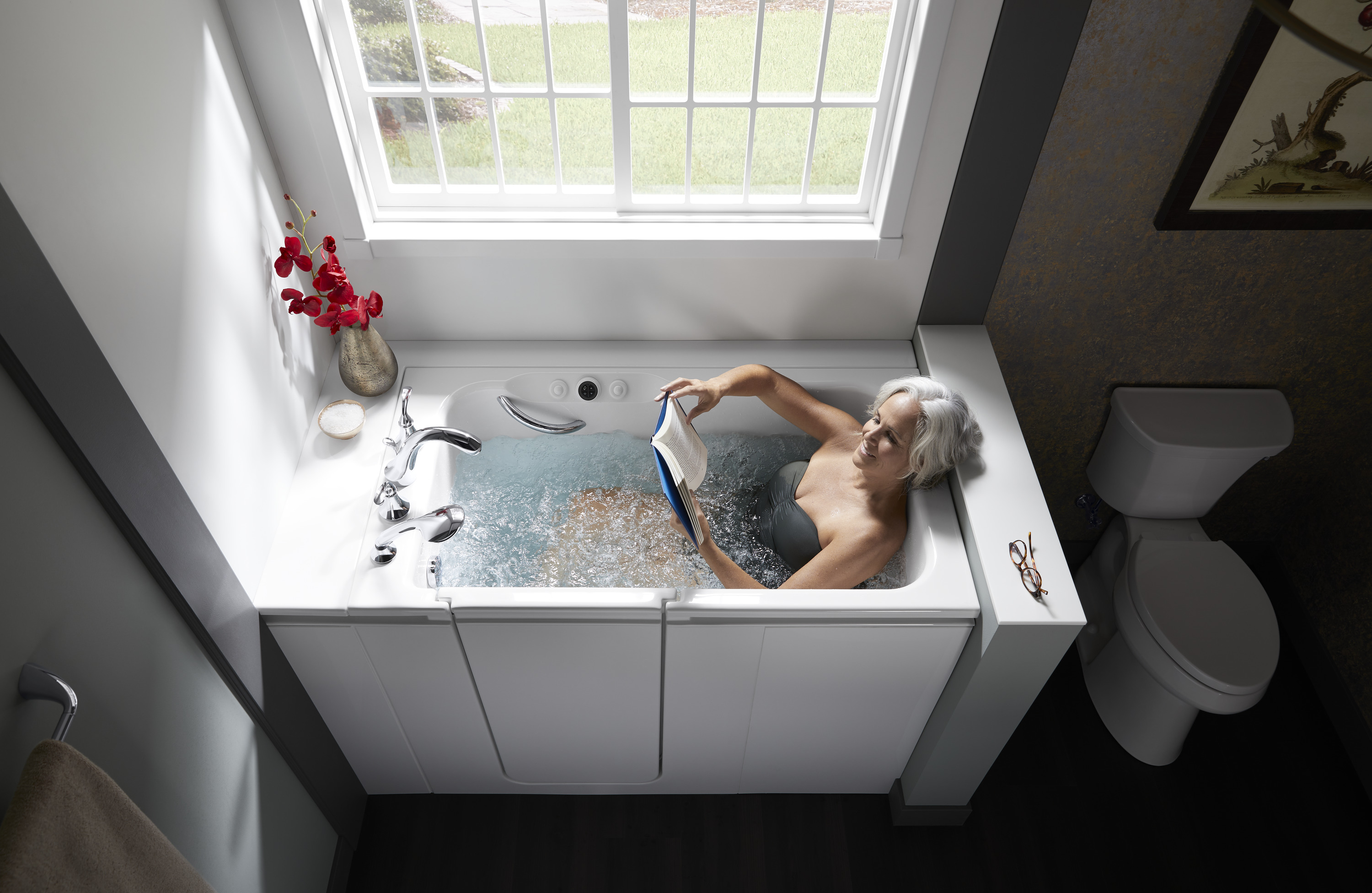
Quick Answer: Are Walk-In Tubs Worth It?
Short answer:
Walk-in tubs can be worth the investment for homeowners with mobility challenges because they reduce fall risk and allow safer bathing at home.
Typical installed cost:
$18,000–$25,000
They tend to make sense for homeowners who:
• have balance or mobility concerns
• plan to age in place long term
• want hydrotherapy for arthritis or joint pain
They may be less ideal for homeowners who:
• plan to sell their home soon
• prefer faster shower-style bathing
• have limited bathroom space or hot-water capacity
What Is a Walk-In Tub — And Who Actually Needs One?
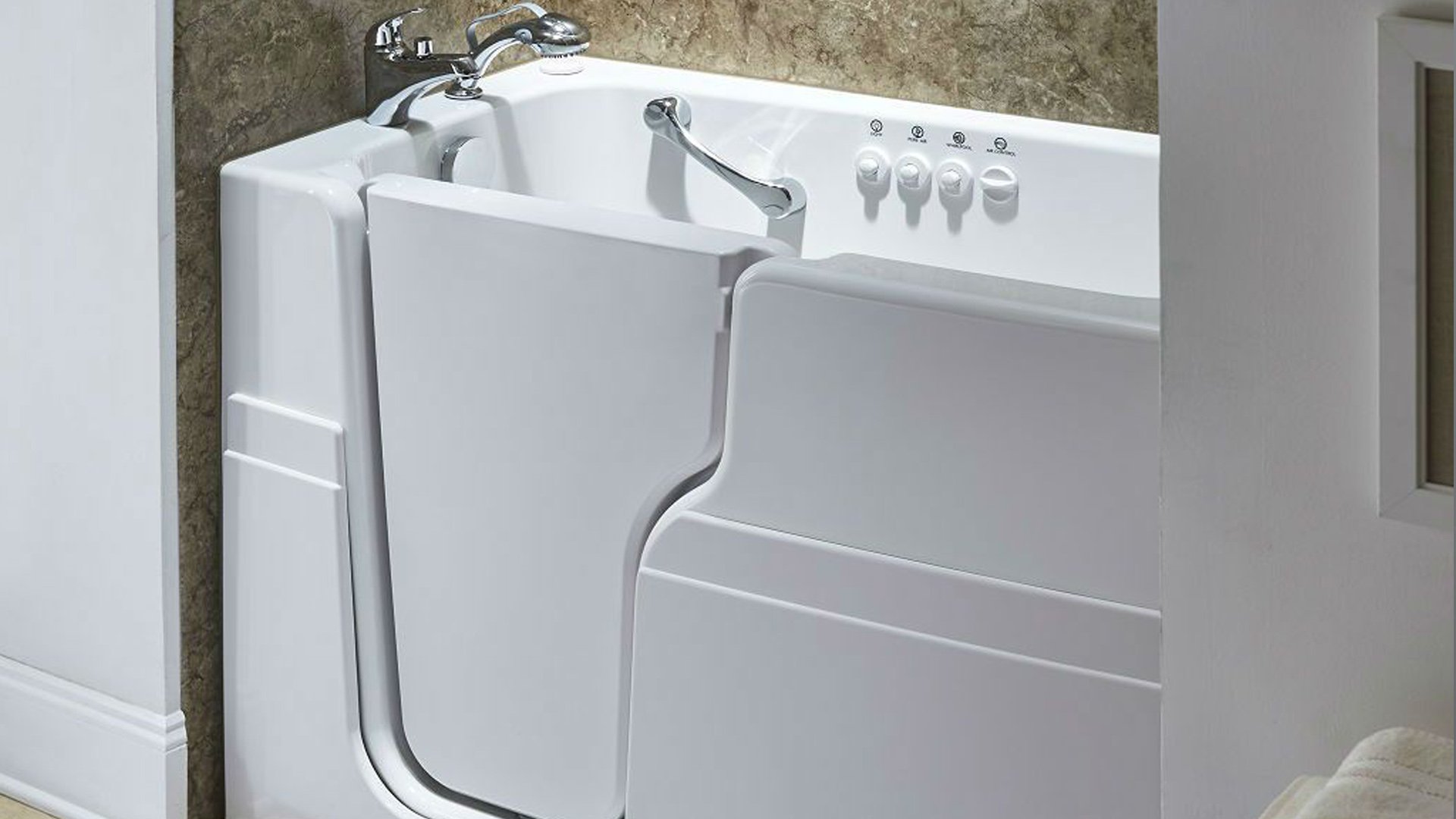
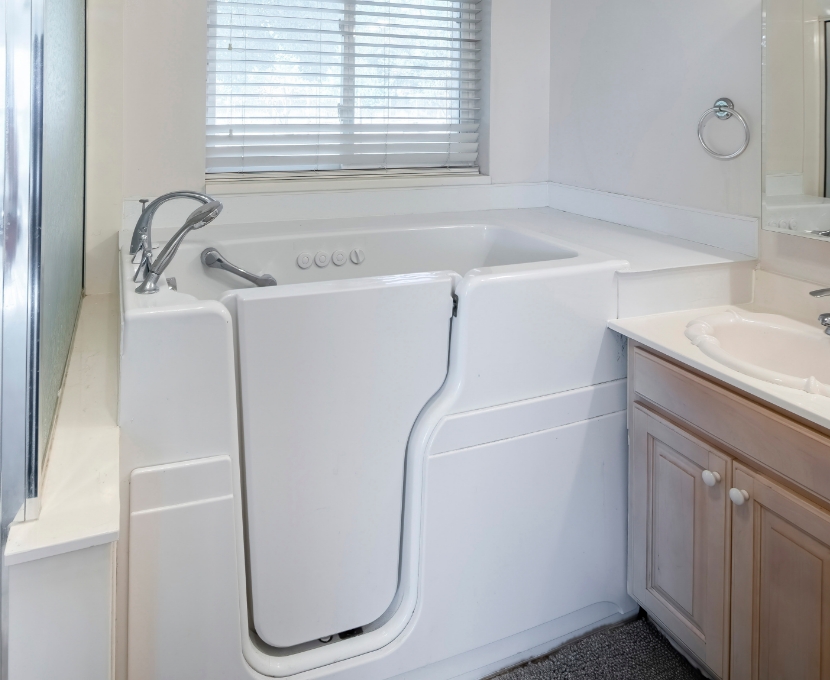
A walk-in tub is a bathtub with a watertight door built into the side of the tub.
Instead of climbing over a traditional tub wall — typically 14 to 20 inches high — you:
- Open the door
- Step over a low threshold (usually 3–6 inches)
- Sit on the built-in seat
- Close the door
- Fill the tub
When you're finished bathing, the tub must fully drain before the door can be opened.
Most walk-in tubs include several safety features:
• Built-in seating (around 17 inches high)
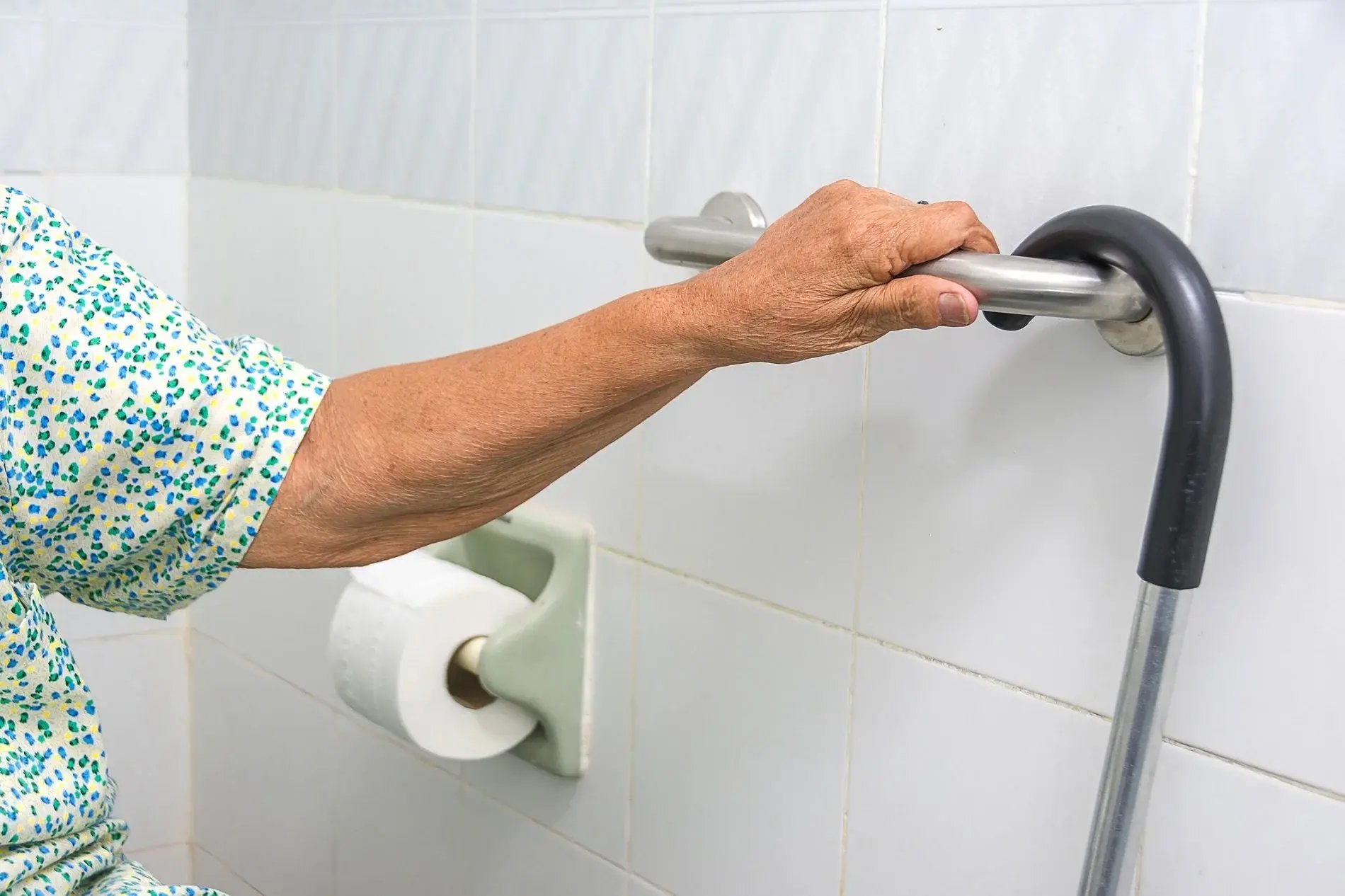
• Grab bars for stability
• Non-slip flooring
• Handheld showerhead
Higher-end models may also include:
• Hydrotherapy jets
• Air-bubble massage systems
• Heated backrests
• Chromotherapy lighting
• Aromatherapy systems
Who Walk-In Tubs Are Best For
Walk-in tubs are typically most helpful for homeowners who:
• Have difficulty stepping over a standard tub wall due to arthritis, joint pain, or balance issues
• Are recovering from surgery or a stroke
• Have diabetes, neuropathy, or other conditions that increase fall risk
• Plan to age in place for the next 10–20 years
• Need a safer bathing environment for a spouse or caregiver
According to the Centers for Disease Control and Prevention (CDC), bathrooms are one of the highest-risk areas for falls among adults over 65. Falls are also the leading cause of injury-related deaths for older Americans.
Walk-in tubs are designed to address that exact problem.
If those concerns don’t apply to your situation, other options such as a tub-to-shower conversion or accessible walk-in shower may be a better investment.

What Are the Real Benefits of Walk-In Tubs?
Walk-in tubs offer several meaningful benefits when they’re installed for the right situation. Below are some of the most important advantages homeowners report after making the upgrade.
1. Dramatically Reduced Fall Risk
This is the primary reason most people purchase a walk-in tub.
The CDC reports that 1 in 4 Americans over age 65 falls each year, and bathrooms are one of the most common locations.
Traditional bathtubs require:
• Lifting your leg over a high tub wall
• Balancing on wet surfaces
• Lowering yourself into a deep tub
Walk-in tubs remove those hazards by offering:
• Low step-in thresholds (as low as 2 inches)
• Seated bathing positions
• Built-in grab bars
• Slip-resistant flooring
A 2025 National Council on Aging Mobility Survey found:
- 86% of users reported a positive or very positive impact
- Only 1% reported a negative experience
That’s a significant quality-of-life improvement for many households.
2. Real Hydrotherapy Benefits
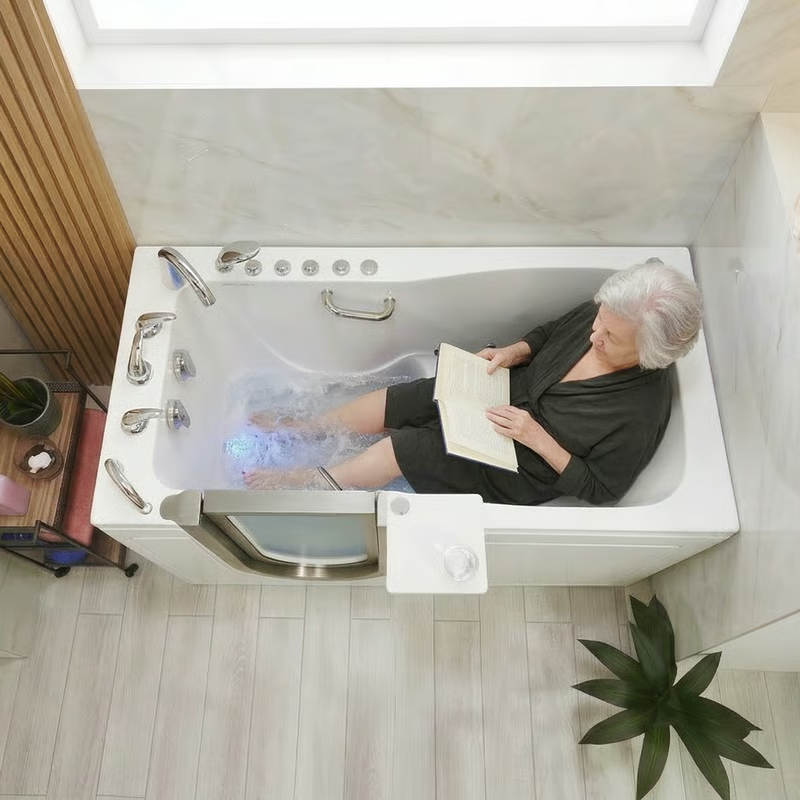
Many walk-in tubs include air jets or whirlpool jets designed for hydrotherapy.
Warm water immersion combined with targeted massage can help people experiencing:
• Arthritis
• Chronic joint pain
• Fibromyalgia
• Poor circulation
• Muscle soreness
Unlike traditional whirlpool tubs, a walk-in tub allows users to enjoy these benefits in a safe seated position.
Many people with rheumatoid arthritis or neuropathy report meaningful improvements in daily comfort with regular use.
“I do consider it to be quite safe… Was it better than falling? Yes.”
— Kohler customer review, ConsumerAffairs (2024)
3. Independence and Quality of Life
For many families, the biggest benefit isn’t luxury. It’s independence.
Assisted living facilities can cost $5,000–$8,000 per month or more.
A walk-in tub that allows someone to bathe independently at home can delay or prevent that transition.
HomePride customers often tell us the biggest change was regaining confidence.
Being able to bathe safely — without fear or assistance — can have a profound impact on quality of life.
If your parent is considering a walk-in bath, it’s worth taking a moment to make sure they’re protected. Contractor fraud and high-pressure sales tactics are more common than most families realize, and older homeowners are often the target.
Watch this video to learn how to help your parent make a safe, informed decision.
4. Deeper, More Comfortable Soaking
Walk-in tubs are significantly taller than traditional tubs.
Typical dimensions:
|
Feature |
Standard Tub |
Walk-In Tub |
|
Exterior height |
14–15 inches |
38–42 inches |
|
Water depth |
~12 inches |
30+ inches |
This deeper water level allows full-body immersion, which many people find more relaxing and therapeutic.
5. Potential Long-Term Financial Value
Preventing even one serious bathroom fall can justify the cost of a walk-in tub.
According to research published in the American Journal of Managed Care, hip and other osteoporotic fractures can generate more than $30,000 in total healthcare costs in the first year alone.
In active-adult or retirement communities, walk-in tubs may also appeal to future buyers with similar accessibility needs.

What Are the Disadvantages of Walk-In Tubs?
This is the section many companies minimize or skip entirely.
These drawbacks are real and worth understanding before buying.
1. High Upfront Cost
Walk-in tubs are not inexpensive.
Typical pricing looks like this:
|
Item |
Typical Cost |
|
Walk-in tub, professionally installed (most Colorado projects) |
$18,000 – $25,000 |
|
Premium tub with hydrotherapy, wall surrounds, and shower packages |
$30,000 or more |
|
Water heater upgrade, if needed |
$500 – $3,000 |
Important:
According to the NCOA, medicare typically does not cover walk-in tubs, though some Medicare Advantage plans may offer partial assistance.
Some purchases may qualify as medical tax deductions if prescribed by a physician.
Veterans may also have access to VA accessibility grants.
Why Are Walk-In Tubs So Expensive?
Many homeowners are surprised by the price of walk-in tubs. Compared with a traditional bathtub, they involve far more engineering, manufacturing, and installation complexity.
Several factors drive the cost:
Specialized safety design
Walk-in tubs require watertight doors, reinforced frames, and precision seals to prevent leaks while still allowing easy entry.
Integrated hydrotherapy systems
Many models include whirlpool jets, air jets, heated backrests, and digital controls that increase manufacturing costs.
Professional installation requirements
Installing a walk-in tub often involves:
• plumbing adjustments
• electrical connections for pumps and heaters
• wall surround modifications
• drain upgrades
Limited manufacturing scale
Unlike standard bathtubs produced in massive quantities, walk-in tubs are manufactured in smaller volumes, which increases per-unit cost.
When combined, these factors make walk-in tubs significantly more expensive than traditional tubs, but they also deliver safety and accessibility benefits that standard tubs cannot.
2. The “Wet Wait” Problem
This is the most surprising drawback for many buyers.
Because the door seals inside the tub:
• You must enter before filling the tub
• You must remain inside while it drains
Typical times:
|
Action |
Time |
|
Fill time |
4–10 minutes |
|
Drain time |
2–15 minutes |
That means many users spend 5–10 minutes waiting in cooling water before exiting.
Premium brands attempt to reduce this discomfort with:
• Heated backrests
• Faster drain systems
But the waiting period cannot be eliminated completely.
3. Water Heater Requirements
Walk-in tubs require significantly more water.
|
Tub Type |
Water Capacity |
|
Standard tub |
30–50 gallons |
|
Walk-in tub |
50–80 gallons |
Many homes with 40-gallon water heaters cannot fill a walk-in tub with fully hot water.
Manufacturers often recommend:
• 50-gallon or larger water heaters
• Tankless systems
Upgrades can add $500–$3,000 to the project cost.
4. Resale Value Is Not Guaranteed
Walk-in tubs appeal strongly to some buyers, but not all.
In homes with only one bathroom, removing the standard tub can sometimes reduce appeal for families with children.
Real estate professionals widely advise keeping at least one traditional bathtub when possible, according to a survey covered by Realtor Magazine, 30% of first-time buyers consider a tub-and-shower combination in the primary bath an essential must-have.
HomePride Tip
If your home has multiple bathrooms:
Install the walk-in tub in the primary bath, and keep a traditional tub/shower combo in a secondary bathroom.
This provides both accessibility now and flexibility for resale later.
5. Space Requirements
Walk-in tubs are taller and bulkier than traditional tubs.
While many models fit inside a standard 60" × 30" tub footprint, door swing clearance and plumbing placement may require small layout adjustments.
This is particularly common in older homes in Fort Collins, Loveland, Longmont, and Cheyenne.
An in-home measurement is essential before purchasing.
6. Jet and Plumbing Maintenance
Like all jetted tubs, hydrotherapy systems require regular cleaning to prevent biofilm buildup.
Most manufacturers recommend monthly jet flushing using:
• Bleach
• Vinegar
• Commercial spa cleaner
Some models include ozone sanitation systems to reduce maintenance needs.

How Long Do Walk-In Tubs Typically Last?
A well-built walk-in tub installed by an experienced contractor can last 15–30 years or more, depending on the materials and maintenance.
Key factors that affect lifespan include:
Tub construction quality
Higher-end tubs made from acrylic or fiberglass-reinforced materials tend to last longer than lower-cost imports.
Pump and jet system durability
Hydrotherapy systems contain pumps and plumbing components that may eventually require servicing or replacement.
Routine maintenance
Regular cleaning of jets and plumbing lines helps prevent buildup that could shorten the life of the system.
Most major manufacturers also provide warranties ranging from 10 years to lifetime coverage on certain components.
For homeowners planning to age in place long term, a properly installed walk-in tub can provide decades of reliable use.

5 Mistakes Homeowners Make When Buying Walk-In Tubs
Even when homeowners understand the pros and cons, a few common buying mistakes can still lead to frustration later. Here are five issues we frequently see homeowners encounter when researching walk-in tubs.
1. Not considering the “wet wait.”
Many buyers don’t realize they must sit in the tub while it fills and drains. For some people this is perfectly fine, but others find the wait uncomfortable.
2. Underestimating water heater requirements.
Walk-in tubs use significantly more water than traditional bathtubs. Homes with smaller water heaters may not be able to fill the tub with fully hot water.
3. Buying from high-pressure sales companies.
Some national companies rely on aggressive in-home sales tactics that push homeowners to make decisions quickly without fully comparing options.
4. Choosing a tub that doesn’t fit the bathroom layout.
Door swing clearance, plumbing access, and bathroom size can all affect installation.
5. Ignoring alternative solutions.
In many cases, a low-threshold walk-in shower may provide similar safety benefits with lower cost and fewer limitations.
Understanding these factors before purchasing can help homeowners make a smarter long-term decision.
Walk-In Tub Pros and Cons — At a Glance
|
PROS |
CONS |
|
Reduces bathroom fall risk |
High upfront cost ($18k–$25k+) |
|
Hydrotherapy benefits |
Must sit during fill/drain (“wet wait”) |
|
Supports aging in place |
May require water heater upgrade |
|
Deep soaking immersion |
Uncertain resale value |
|
Heated backrest comfort |
Larger footprint |
|
Positive in senior communities |
Jets require maintenance |
|
Possible tax deductions |
Medicare usually does not cover |
Which Walk-In Tub Brands Are Best?
If you're seriously considering a walk-in tub, the brand you choose can make a significant difference in comfort, durability, and long-term satisfaction. Not all walk-in tubs are built the same. Differences in design, jet systems, warranties, and installation expertise can significantly affect comfort and long-term satisfaction:
- faster drain systems
- hydrotherapy jet configurations
- warranty coverage
- installation support
- design aesthetics
Some brands focus heavily on spa-like therapeutic features, while others prioritize sleek modern design or accessibility upgrades.
Because of these differences, we created a detailed guide comparing some of the most popular walk-in tub options available today — including Ella, Safe Step, American Standard, and other modern designs.
👉 See our guide: 5 Best Walk-In Tubs for Aging in Place in 2026
That article walks through:
• design differences between brands
• safety features and hydrotherapy options
• common consumer complaints
• which tubs work best for different types of homeowners
Reading it alongside this guide can help you decide which product type fits your bathroom, mobility needs, and design preferences.

So — Are Walk-In Tubs Worth It?
After understanding the benefits, drawbacks, costs, and alternatives, the final question becomes simple:
It depends on your specific situation.
A Walk-In Tub Is Likely Worth It If
• You have genuine mobility limitations or fall risk
• You plan to age in place for 15–20 years
• You want regular hydrotherapy for pain relief
• You can invest in a quality product from a reputable brand
• You understand the wet-wait trade-off
A Walk-In Tub May NOT Be Worth It If
• You have only one bathroom and plan to sell soon
• Your main goal is modern aesthetics rather than accessibility
• Your budget can’t stretch to the $18,000–$25,000 a quality walk-in tub typically costs installed
• You feel pressured by time-limited sales tactics
HomePride Bath’s honest perspective:
We sell and install KOHLER walk-in tubs, so we’re not completely neutral in this conversation.
But we also regularly advise homeowners that a walk-in shower conversion may be the better choice.
The right solution depends on:
• Your mobility needs
• Your bathroom layout
• Your timeline
• Your budget
Our job is to help you choose the right solution — even if that solution isn’t a walk-in tub.
Walk-In Tub vs Walk-In Shower: Which Is Better?
For many homeowners considering accessibility upgrades, the biggest question isn’t just whether a walk-in tub is worth it — it’s whether a walk-in shower might be a better option.
Both solutions can improve bathroom safety, but they serve different priorities depending on mobility needs and bathing preferences.
|
Feature |
Walk-In Tub |
Walk-In Shower |
|---|---|---|
|
Best for |
Soaking & hydrotherapy |
Easy access bathing |
|
Entry threshold |
2–6 inches |
Often zero threshold |
|
Fill/drain wait |
Yes |
No |
|
Space requirements |
Larger footprint |
More flexible layouts |
|
Ideal users |
Arthritis, chronic pain |
Mobility or balance issues |
Walk-in tubs are often best for homeowners who want therapeutic soaking and pain relief, while walk-in showers are typically better for those who prioritize ease of access and faster bathing.
In many homes, a curbless walk-in shower with a built-in bench provides similar safety benefits at a lower cost.
Not Sure If a Walk-In Tub Is the Right Choice for Your Home?
Every bathroom — and every mobility situation — is different.
For some homeowners, a walk-in tub provides the safety and independence that makes aging in place possible for many more years. For others, a low-threshold walk-in shower or tub-to-shower conversion may deliver the same safety benefits with fewer limitations.
The key is understanding what will work best for your mobility needs, your bathroom layout, and your long-term plans.
At HomePride Bath, we help homeowners across Colorado evaluate all the options — not just the product we sell.
During a free consultation, we can help you:
• Determine whether a walk-in tub is the safest solution
• Compare walk-in tubs vs walk-in showers for aging in place
• Identify plumbing or layout challenges before installation
• Provide transparent pricing and product comparisons
Our goal is simple: help you make the safest and smartest decision for your home.
👉 Schedule a free in-home consultation with a HomePride Bath specialist and get honest guidance about the safest and smartest bathing solution for your home.
Frequently Asked Questions
Below are answers to several of the most common questions homeowners ask when researching walk-in tubs.
1. Are walk-in tubs worth the cost?
Many homeowners wonder whether the $18,000–$25,000 investment in a walk-in tub is justified. Understanding the safety benefits, hydrotherapy features, and long-term aging-in-place advantages can help determine whether the price makes sense for your situation.
2. What are the biggest disadvantages of walk-in tubs?
Walk-in tubs offer safety advantages but also have drawbacks. Common concerns include the “wet wait” (waiting for the tub to fill and drain), higher upfront costs, water heater requirements, and ongoing maintenance for jetted systems.
3. Who should consider buying a walk-in tub?
Walk-in tubs are typically best for homeowners with mobility challenges, balance concerns, arthritis, or those planning to age in place for the next 10–20 years. They are less ideal for households prioritizing resale value or aesthetic upgrades.
4. How much does a walk-in tub cost installed?
Most walk-in tub installations in Colorado cost between $18,000 and $25,000 installed, depending on the tub model, hydrotherapy features, plumbing upgrades, and bathroom modifications required.
5. Do walk-in tubs increase home value?
Walk-in tubs may appeal to buyers looking for accessibility features, particularly in retirement communities. However, they don’t always increase resale value, especially if the home loses its only traditional bathtub.
6. Do you have to sit in a walk-in tub while it fills and drains?
Yes. Because the door seals inside the tub, users must enter before filling the tub and remain seated while it drains. Fill and drain times can range from 5 to 15 minutes total, depending on plumbing and pump systems.
7. Are walk-in tubs covered by Medicare or insurance?
Original Medicare usually does not cover walk-in tubs because they are considered home modifications rather than medical equipment. Some Medicare Advantage plans, VA grants, or medical tax deductions may provide partial assistance.
8. What are the alternatives to a walk-in tub?
Common alternatives include tub-to-shower conversions, curbless walk-in showers, grab bar installations, and transfer benches, which can improve bathroom safety at a lower cost.
Topics: