
The $35 Question That Could Cost You Thousands
You’ve just received two quotes for your bathroom remodel. The first contractor charges $65 an hour, backed by licenses, insurance, and a portfolio of finished projects. The second quote? $30 an hour from a friendly handyman who promises he can do the same work.
The choice seems obvious—why pay more than double the price for what looks like the same job?
But here’s the truth most homeowners don’t realize: that $35-an-hour difference could actually save you tens of thousands in repairs, rework, and stress down the road.
In this guide, you’ll learn exactly what separates licensed master craftsmen from unlicensed handymen, and how that difference affects safety, legality, and long-term value. We'll break down exactly what separates master craftsmen and licensed contractors from handymen and unlicensed workers.
After reading this, we hope it provides you a better understanding of what separates craftsmen from handymen, and the value that comes from choosing licensed, bonded, and qualified labor with years of training and experience, versus those who charge less because they bring less.
In our experience, knowing these differences, and understanding the risks that are involved when you hire for less, are critical before a homeowner signs any home renovation contract.
🎁 Download our FREE guide, “The Hidden Cost of ‘Cheap’ Bathroom Remodel Labor,” and discover why the lowest bid can end up costing homeowners thousands more in the long run.
What are the Differences Between a Handyman and a Craftsman?
While both handymen and craftsmen bring value to home repair and maintenance, their training, skill, and scope of work couldn’t be more different. Understanding that difference can help homeowners make smarter, safer hiring decisions.
A master craftsman represents the highest tier of skilled tradesperson. This title isn’t just handed out; it’s earned through years of structured growth. From apprentice to journeyman to master. That journey includes hands-on mentorship, classroom instruction, and formal testing that proves both technical expertise and professional integrity. Rooted in centuries-old guild traditions, the path to mastery demands precision, accountability, and the ability to train others. Craftsmen are the ones you call when you need work that will last for decades, not just until next winter.
To provide so more depth of their education and experience, consider these factors:
- The Construction Industry Training Council of Colorado (CITC) explains their general carpentry program alone requires 576 hours of classroom instruction and 8000 hours of on-the-job training before receiving certification
- Colorado’s Department of Regulatory Agencies (DORA) requires applicants to document 8,500 hours (five years) of experience for a master plumber license, 6,800 hours for a journeyman, and 3,400 hours for a residential plumber.
A handyman, by contrast, is more of a generalist—a helpful problem-solver who can take on a variety of small projects around the house. They’re the person you call for drywall patches, leaky faucets, fresh paint, or a loose door hinge. Their skills are broad but not deeply specialized. And while many are hardworking and capable, they typically don’t hold formal trade licenses or certifications.
Most states limit the type and dollar amount of work a handyman can legally perform, often capping projects between $500 and $2,500 before a licensed contractor is required.
In Colorado, as HouseCall Pro points out, handymen aren’t licensed at the state level, and they’re prohibited from tackling any work that requires permits or involves plumbing, electrical, or structural systems.
In short: hire a handyman when you need quick fixes. Hire a craftsman when you want craftsmanship that endures. One keeps your home running smoothly; the other ensures it’s built—and remodeled—to last.
Quick Comparison: Handyman vs. Licensed Craftsman
|
Category |
Handyman |
Licensed Craftsman |
|
Scope of Work |
Small repairs, cosmetic fixes |
Full remodels, structural, plumbing, electrical |
|
Training |
Informal, self-taught |
Formal apprenticeship + testing |
|
Licensing |
Not required in Colorado |
Required city/county license |
|
Insurance/Bonding |
Often none |
Mandatory |
|
Permit Access |
Usually prohibited |
Handles all permitting |
|
Long-Term Value |
Short-term fixes |
Built to last decades |
The Wage Gap: What the Numbers Really Tell Us
According to 2025 data from several trusted industry sources, there’s a clear wage gap between Colorado’s handymen and licensed general contractors working in the bathroom remodeling space. And while it’s easy to compare hourly numbers, those figures tell a much deeper story about training, insurance, and accountability.
On average:
- Handymen: $26–$27 per hour
- General Contractors: $75–$125 per hour for bathroom remodeling projects
- Licensed Plumbers: $85–$150 per hour
- Electricians: $80–$125 per hour
That difference adds up fast. As an example, for a standard three-day bath install, about 24 hours of labor, a handyman may charge $648 in total labor cost ($27/hr x 24 hrs), versus a craftsman or licensed professional who may charge $3,000 ($125/hr x 24 hrs). In this scenario the cost gap for this install comes out to $2,352.
But those higher rates buy much more than labor. They include insurance, bonding, permit handling, continuing education, and the accountability that keeps you protected as a homeowner. In other words, you’re not just paying for hours worked—you’re paying for verified competence and coverage if something goes wrong.
At first glance, that might seem like unnecessary overhead. But those higher rates reflect more than just wages. They cover insurance, permits, bonding, business compliance, and the peace of mind that comes from hiring a professional who stands behind their work. Let’s break it down:
💡 Key Insight: Paying more for a licensed contractor isn’t just paying for labor—you’re paying for verified competence, insurance protection, and legal accountability.
What That $2,350 Cost Difference Provides You
When homeowners first see a contractor’s quote for a bathroom remodel, often somewhere between $14,000 and $40,000, it’s natural to feel a little sticker shock. Can a remodel really cost that much?
The truth is, when you dig into the numbers, the labor portion of that total tells an interesting story. As we detailed above, the average difference in labor costs between hiring a licensed contractor and hiring a handyman for a 3-day install is about $2,350. That’s not nothing, but it’s also not nearly as big as it might seem once you understand what that extra investment buys you.
That $2,350 isn’t just a markup. It’s the cost of peace of mind. It’s insurance coverage, code compliance, safety checks, and craftsmanship that holds up long after the adhesive dries. When you start to see what fills that gap, the “higher” price begins to look more like built-in protection and long-term value.
So let’s break it down. Here’s what a licensed contractor brings to your bathroom remodel that a handyman simply may not.
Licensing & Certification: More Than Just Paperwork
Licensing exists to protect homeowners, not to create bureaucracy. As we shared, licensed contractors must demonstrate years of experience, financial stability, and pass exams covering both trade-specific and business law topics.
In Colorado, licensing happens at the city or county level. Denver, Boulder, Colorado Springs, and Fort Collins all have different requirements, meaning a contractor legally operating in one city might not be allowed to work in another. Homeowners need to verify licenses locally before hiring.
Unlicensed workers skip these safeguards entirely. They can claim expertise without any verification or oversight, leaving you with little to no recourse if things go wrong.
Insurance & Bonding: Your Financial Safety Net
Licensed contractors in Colorado carry three core protections: liability insurance, workers’ compensation, and bonds. These cover property damage, injuries, and unfinished work. If you’re not familiar with these protections, here’s a quick breakdown:
Liability Insurance1. The State of Colorado requires that licensed contractors must carry Commercial General Liability Insurance written on ISO occurrence forms. This insurance covers: premises operations, fire damage, independent contractors, products and completed operations, contractual liability, personal injury, and advertising liability.
- Minimum Limits: $1,000,000 per occurrence.
👉 If something goes wrong during your remodel, like accidental water damage or property harm, this policy protects both you and your contractor.2Workers’ Compensation
2. According to the Colorado Department of Labor (2023), any business with one or more employees must carry active workers’ compensation insurance at all times. This coverage protects all employees acting within the course of their employment and includes Employer’s Liability Insurance.
👉 If a worker is injured on your property, their medical bills and lost wages are covered by the contractor’s insurance, not yours. Surety Bonds
3. A surety bond is a three-party agreement ensuring contractors fulfill their obligations. If a contractor defaults, the surety pays out so the homeowner can hire a replacement or cover damages.
👉 Think of a bond as your financial safety net. It guarantees that your project will be finished or you’ll be reimbursed if it isn’t.
In plain terms, here’s why these matter to you. If an unlicensed handyman gets injured in your bathroom, you could be deemed their employer, and held liable for medical bills or lost wages. In some states, courts have enforced these payments against homeowners, even when the worker was hired as an “independent contractor.” In addition, if a licensed contractor abandons a project or causes financial harm, homeowners can file claims against their bond or access state recovery funds. Licensing boards also provide investigation and mediation processes.
With unlicensed workers, you lose that protection entirely. There’s no licensing board to contact and no bond to claim. Your only option is an expensive civil lawsuit, and even if you win, collecting money is often impossible.
Licensed contractors’ insurance and bonding protects you, their team, and your property. Unlicensed workers leave you exposed to massive financial risk. Now ask yourself, is that worth the additional $2,400?
💡 Paying a licensed craftsman doesn’t just protect your bathroom. It protects your bank account, your insurance coverage, and your peace of mind.
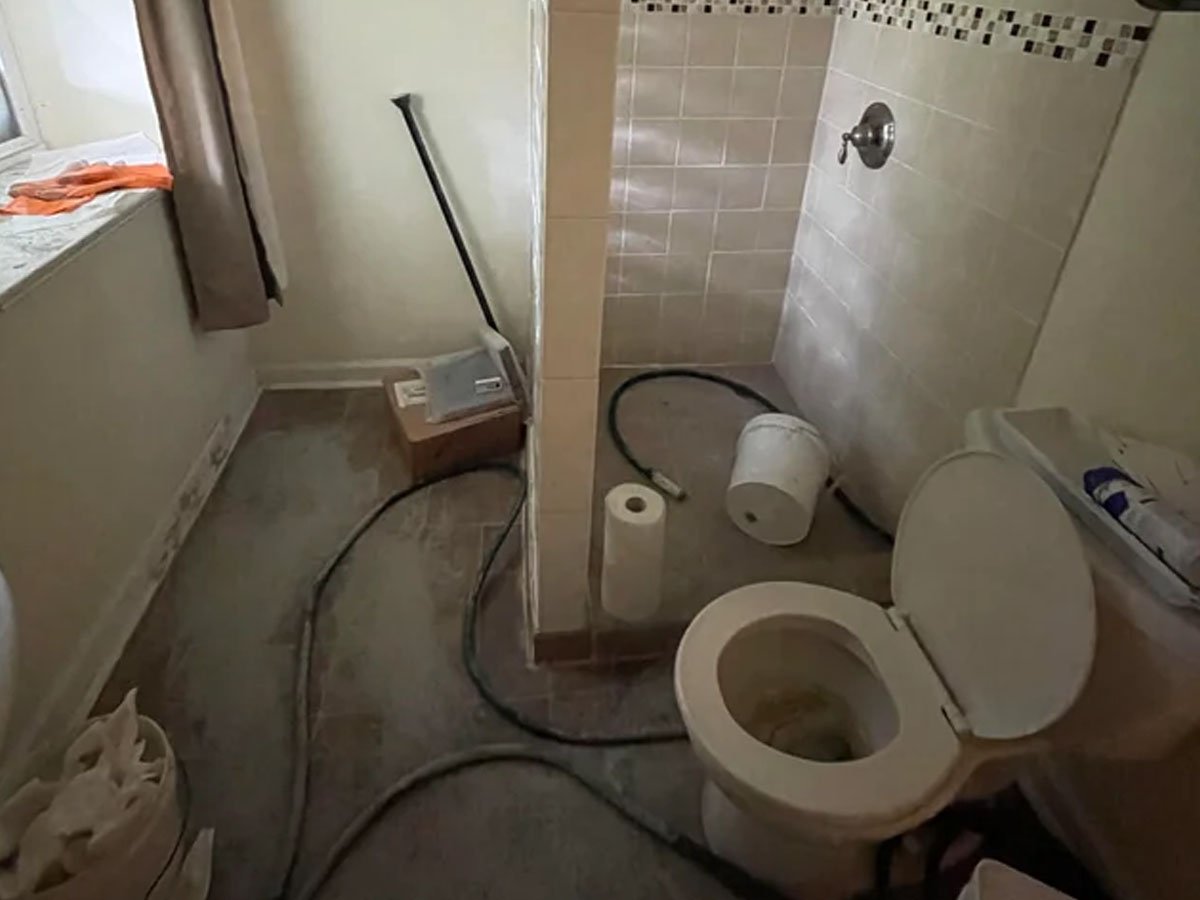
The True Cost of Shoddy Work
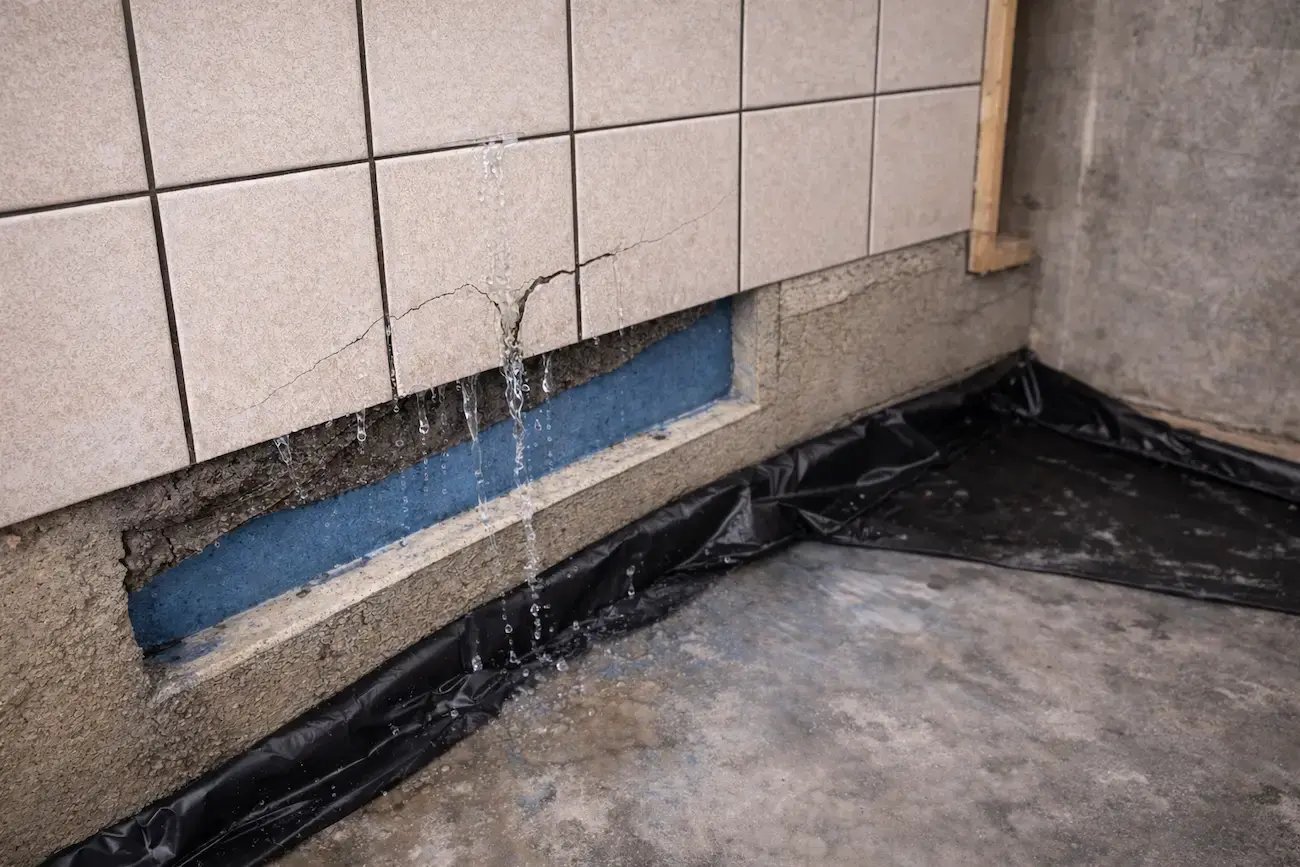
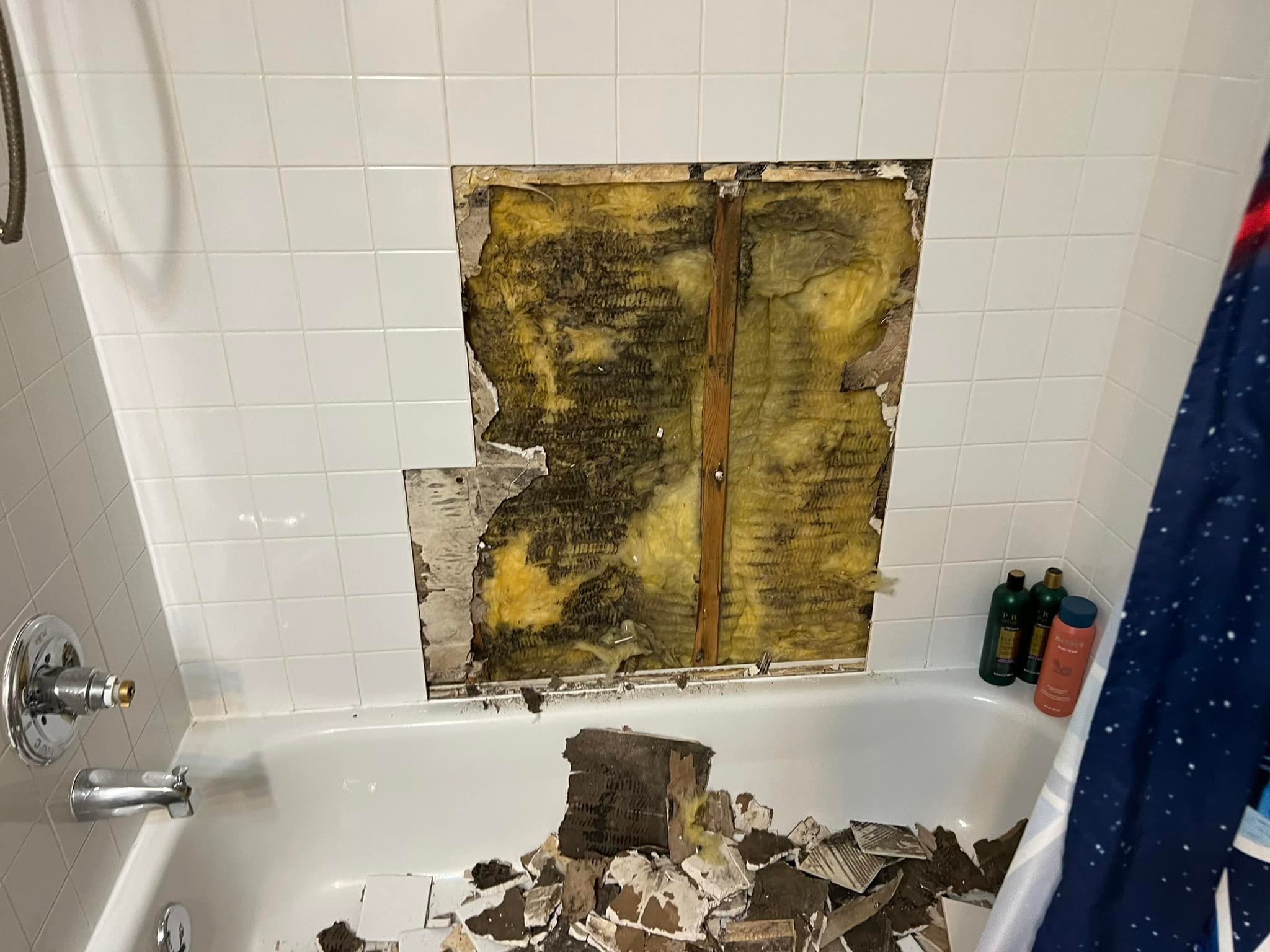
Saving $2,000 up front can disappear in a single mistake. A plumbing leak, failed waterproofing, or poor wiring can create damage your insurance refuses to cover, because the work wasn’t done by a licensed pro.
Surveys show nearly 40% of homeowners believe their contractor cut corners, and almost 30% have fired one mid-project. When that happens with unlicensed labor, there’s no safety net; only costly rework and frustration.
A 2024 survey by Clever Real Estate found that 39% of homeowners believe their unlicensed installer cut corners during renovations, while 29% have fired their unlicensed contractor mid-project due to quality concerns.
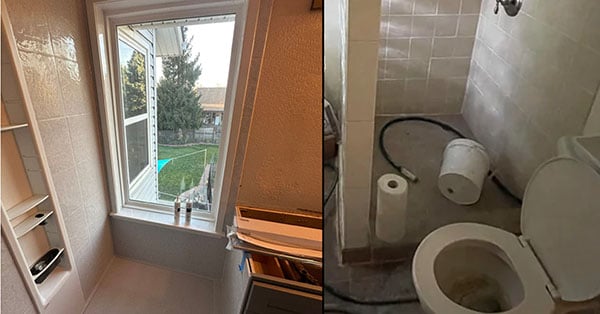
For homeowners, those numbers climb even higher when unlicensed or underqualified workers are involved. Work done without proper permits, insurance, or adherence to building codes often has to be demolished and completely redone by licensed professionals, doubling both cost and stress.
For American homeowners, the financial fallout from substandard work is staggering. A 2022 Ipsos survey revealed that 60% of U.S. homeowners paid for unexpected home repairs in the previous year, with an average cost nearing $4,000 per household, much of it tied to botched work or deferred maintenance.
By 2024, Bankrate reported that 83% of homeowners experienced surprise maintenance issues, with average annual home maintenance and repair expenses exceeding $8,800. When it comes to bathroom remodeling specifically, the area most prone to unlicensed labor, costs escalate fast. Homeowners who discover substandard plumbing, electrical, or waterproofing work often face significant repair costs.
Retroactive permitting and code compliance work can cost $3,000 to $6,000 or more, while water damage from improper waterproofing can add another $2,000 to $6,000 in restoration expenses. In severe cases where structural or major system work must be redone entirely, total repair costs can reach $10,000 to $20,000 or exceed the cost of the original remodel
These figures make one thing crystal clear: the supposed savings from hiring unlicensed or unqualified workers often evaporate, and then some. What looks like a discount at first often turns into paying twice: once for the initial poor-quality work, and again for the licensed professionals who must repair it the right way.
Key Summary Statistics:
|
Statistic |
Percentage/Amount |
Source |
|
Construction rework as % of project cost |
2-20% (median 4-12%) |
|
|
Rework's contribution to cost overruns |
52% |
|
|
Homeowners who think contractor cut corners |
39% |
|
|
Contractors going over budget |
53% |
|
|
Homeowners with unexpected repairs annually |
60-83% |
|
|
Average unexpected repair cost |
$4,000 |
|
|
Homeowners firing contractors mid-project |
29% |
|
|
Typical defect repair costs in new homes |
$5,000-$20,000 |
Code Compliance & Permits
Building permits and inspections aren’t red tape, they’re protection. These safeguards exist to ensure that any construction or remodeling work meets essential safety standards and building codes designed to keep you, your family, and your investment safe.
Licensed contractors know when permits are required and handle the entire process: applications, fees, and inspections, often building those costs directly into their project bids. Handymen and unlicensed workers, on the other hand, frequently skip permits altogether. Sometimes it’s to save time and money, but in many cases, it’s because they’re legally prohibited from pulling permits for specialized work.
In Colorado, unlicensed individuals cannot obtain permits for plumbing or electrical projects, and counties like Jefferson County require all contractors performing permitted work to hold valid contractor licenses.
Permits exist to protect you, not to slow you down.
📰 Read more about the importance of permits in our recent article: Bathroom Remodeling Permits in Colorado (What You Need to Know)
Final Thought: Cheap labor often costs the most. Your bathroom isn’t just another room. It’s one you and your family use daily, where quality, safety, and comfort meet. Choose craftsmanship that stands the test of time, holds up against Colorado’s changing climates, and adds real value and beauty to your home.
The HomePride Difference
Here at HomePride Bath, we believe your home deserves master craftsmanship, not corner-cutting. Our team of craftsmen is fully licensed and insured, with decades of combined experience across Colorado. We’ve installed thousands of bathrooms throughout the state, and have earned the respect and confidence from homeowners, as well as A+ accreditation from the Better Business Bureau.
We handle all permits and inspections, maintain transparent communication, and back our work with written lifetime warranties. More importantly, we build trust and provide accountability to you as our customer. Yes, our rates may be higher than a handyman’s, but that difference buys you more than labor. It buys confidence, compliance, and craftsmanship built to last.
Your Next Steps
1️⃣ Schedule your free consultation – we’ll review your goals and budget.
2️⃣ Verify our license and insurance – we make everything transparent.
3️⃣ Relax while we handle permits, design, and installation.
You deserve craftsmanship that lasts decades, not months.
Key Takeaways & Helpful Links
Key Takeaways:
✅ Licensed contractors’ higher rates reflect training, insurance, and accountability.
✅ Unlicensed work exposes homeowners to major financial and safety risks.
✅ Proper permits and inspections protect your property value and insurance coverage.
✅ Hiring a licensed professional saves money and stress long-term.
Helpful Learning Center Reads:
- Bathroom Remodeling Permits in Colorado (What You Need to Know)
- Chuck In A Truck Contractors: Risks, Red Flags & Realities
- Colorado Bathroom Remodel Guide: Costs, Design & ROI (2026)
Common Questions Homeowners Ask
Q: Can I legally hire a handyman for my remodel in Colorado?
You can hire a handyman for small cosmetic jobs, but once a project requires a permit or involves plumbing, electrical, or structural work, Colorado law requires a licensed contractor.
Q: What happens if my handyman causes damage?
If they’re unlicensed or uninsured, your homeowner’s insurance may not cover it. You could be held financially responsible.
Q: How can I verify a contractor’s license?
Check with your local building department (Denver, Boulder, Colorado Springs, or Fort Collins). Each city maintains searchable online license databases. To begin, click here: DORA License Lookup Tool
Topics: